
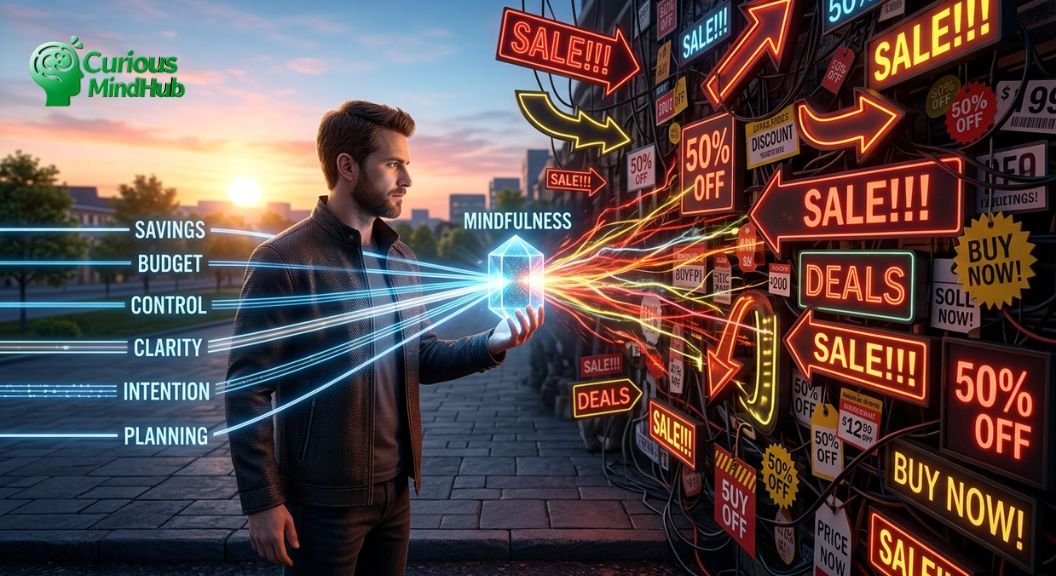

Protect Your Wallet From Sneaky Marketing Tricks
Have you ever walked into a store for milk and left with a full cart? You likely feel frustrated when your carefully planned budget vanishes. This common experience reveals the immense hidden power of sneaky marketing tricks.
Retailers spend billions studying your daily habits to extract your hard-earned cash. They use advanced consumer behavior manipulation to bypass your logic entirely. Let us learn how to stop impulse buying and secure your finances today.

What Exactly Are Sneaky Marketing Tricks?
These tactics are subtle psychological traps embedded within your shopping experience. Designers craft store layouts and online checkouts to intentionally confuse your logical thinking. They use retail psychology tactics to make spending feel incredibly easy and highly rewarding.
You face these invisible financial hurdles every single day. A bright red sale sign often masks a terrible financial deal. Recognizing these specific patterns represents the vital first step to protecting your wealth effectively.
How Sneaky Marketing Tricks Manipulate Your Brain
Your brain loves taking fast mental shortcuts to save valuable processing energy. Retailers exploit this biological trait by deploying clever anchoring bias techniques. They show you a very high initial price to make the subsequent discount look completely irresistible.
This clever setup creates intense cognitive dissonance if you walk away from the deal. You feel foolish leaving such a massive bargain behind. This psychological pressure forces you to buy things you never actually wanted.

5 Sneaky Marketing Tricks Used in Supermarkets
Supermarkets represent the ultimate testing ground for retail manipulation. First, they place essential items like dairy at the very back of the store. This specific layout forces you to walk past thousands of highly tempting items. Second, they pump fresh bakery smells to trigger immediate hunger.
Third, they play slow music to make you walk slower and browse longer. Fourth, they use psychological pricing on bright end-cap displays. Fifth, they place the most sugary, expensive cereals perfectly at your child’s eye level.
How to Spot Sneaky Marketing Tricks Online
Digital storefronts use highly aggressive tactics to capture your digital wallet. You must learn to outsmart retail psychology when browsing your favorite websites. Look closely at pre-checked subscription boxes hidden near the final checkout button.
These digital environments lack physical friction, making spending dangerously effortless. Always pause for a full day before completing a major online purchase. This simple delay helps you break the intense spell of modern digital marketing immediately.
Identifying Fake Scarcity in Sneaky Marketing Tricks
Online retailers constantly flash bright red text claiming only two items remain. They use these aggressive fake-scarcity methods to create sheer panic among buyers. Your brain releases stress hormones, forcing a very fast, irrational purchase decision.
You can recognize fake discounts easily by ignoring these artificial countdown timers. Reload the page in a private window to see if the timer magically resets. Protect your peace of mind from this toxic sales pressure.
Avoiding the Decoy Effect in Sneaky Marketing Tricks
Brands often introduce a highly overpriced middle option to manipulate your choices. This specific tactic relies entirely on decoy effect pricing to steer your final decision. The useless middle option makes the most expensive tier look like a fantastic bargain.
Always evaluate an item based entirely on its standalone practical value. Ignore the surrounding price points the retailer conveniently provides. This strict mental boundary stops you from upgrading your daily purchases unnecessarily.

Why Brands Rely Heavily on Sneaky Marketing Tricks
Companies face immense pressure to show constant financial growth to their demanding investors. Traditional advertising simply costs too much and delivers very poor modern returns. Therefore, they turn to loss-aversion marketing to extract more money from existing loyal customers.
These psychological tactics generate massive profits with very little actual effort. Brands prioritize their quarterly earnings over your long-term financial health. You must act as the primary defender of your own personal bank account.
The Role of Charm Pricing in Sneaky Marketing Tricks
Look closely at the prices on your next grocery shopping trip. You will notice almost everything ends in the number nine. This classic retail method is known globally as charm pricing. Your brain reads numbers from left to right quickly.
You register a product priced at twenty-nine dollars as twenty dollars, not thirty. This tiny biological glitch makes items feel significantly cheaper than their actual cost. This simple visual trick drains your monthly budget slowly over time.

How Sneaky Marketing Tricks Trigger Impulse Buying
Stores place cheap, colorful items directly next to the checkout register. These tiny products act as powerful impulse-buying triggers while you wait in line. You feel tired from shopping, and your mental defenses sit at an absolute low.
You grab a candy bar or a glossy magazine without thinking clearly. These small, unplanned purchases destroy your long-term financial goals slowly. Recognizing this psychological vulnerability helps you stand firm at the final retail finish line.
7 Common Sneaky Marketing Tricks to Avoid Today
You must stay vigilant against a wide variety of financial traps daily. Avoid stores that offer complex, confusing points-based consumer loyalty programs. Watch out for deceptive pricing strategies where bulk items actually cost more per ounce.
Beware of free shipping thresholds that force you to buy extra junk. Ignore artificial bundles that pair one good item with completely useless accessories. Keep a tight list and refuse to let retailers dictate your daily choices.

How to Shield Your Budget From Sneaky Marketing Tricks
The absolute best defense requires proactive financial planning and strict personal rules. You must learn to protect your daily budget before you ever enter a store. Always shop with a rigid, written list and carry only physical cash.
When the cash runs out, your shopping trip ends immediately. This physical boundary creates massive friction against unnecessary emotional spending. You build an unshakable wall between your hard-earned money and greedy corporate marketers.
The Psychology Behind Successful Sneaky Marketing Tricks
Marketers target your deepest insecurities to drive their massive daily sales figures. They create dangerous emotional spending traps designed to make you feel totally inadequate. They sell the powerful illusion that buying a new product cures your daily anxiety.
True happiness never arrives inside a brown cardboard delivery box. When you recognize the emotional void they try to exploit, their power vanishes entirely. You learn to seek genuine fulfillment outside the toxic cycle of endless modern consumption.

How Sneaky Marketing Tricks Use Loss Aversion Against You
Your brain hates losing things much more than it enjoys gaining them. Marketers weaponize this biological quirk to force your hand constantly. They tell you a special discount ends at midnight, triggering severe panic and anxiety.
You must learn to avoid emotional spending traps rooted entirely in this primal fear. Accept that missing a minor retail sale will not ruin your life. Walking away from forced urgency saves you significantly more money overall.
Overcoming the Urge to Fall for Sneaky Marketing Tricks
Breaking these ingrained financial habits requires serious time and highly consistent effort. You must practice extreme mindfulness every time you open your leather wallet. Pause for ten seconds and ask yourself if you truly need this item today.
This brief pause helps you regain financial control from automatic, unconscious shopping habits. You shift your mindset from a passive consumer to an active money manager. Your wealth grows significantly when you finally stop shopping on pure autopilot.

Tools to Help You Block Sneaky Marketing Tricks
Modern technology provides excellent weapons to defend your digital wallet effectively. Install robust browser extensions that automatically block highly targeted advertising completely. Unsubscribe from all promotional retail emails that heavily clutter your digital inbox daily.
Use simple unit price calculator apps while walking down the busy grocery aisles. These digital tools expose the raw truth behind complex retail pricing models. They empower you to make purely mathematical choices rather than highly emotional ones.
Master Your Money and Defeat Sneaky Marketing Tricks
You now possess the deep psychological knowledge to protect your financial future completely. Retailers will always try to separate you from your hard-earned cash. However, you can spot their clever illusions from a mile away now.
Stay incredibly disciplined and always stick to your written shopping lists strictly. Embrace these intelligent strategies to outsmart the retail system entirely. Keep your money safe, build true wealth, and fund your continuous personal growth.

FAQs:
1. What are the most common marketing tricks?
Retailers frequently use charm pricing, fake scarcity countdowns, and the decoy effect to manipulate your daily spending habits. These subtle psychological tactics intentionally bypass your logical thinking to encourage immediate impulse buys.
2. How do supermarkets trick you into spending more?
Grocery stores place essential items at the very back to force you past hundreds of tempting promotional displays. They also play slow music and pump pleasant scents to keep you browsing much longer.
3. What is the decoy effect in pricing?
The decoy effect introduces an overpriced middle option to make the most expensive tier look like a fantastic bargain. This psychological pricing trick steers your choice toward spending more money than you originally planned.
4. How can I avoid impulse buying online?
Institute a mandatory twenty-four-hour waiting period before finalizing any digital purchase to break the immediate emotional spell entirely. Unsubscribing from promotional retail emails also removes constant temptation from your busy daily life.
5. Why do prices always end in 99 cents?
This tactic is called charm pricing, and it exploits how your brain reads numbers quickly from left to right. You perceive an item priced at nineteen dollars as significantly cheaper than twenty dollars.