
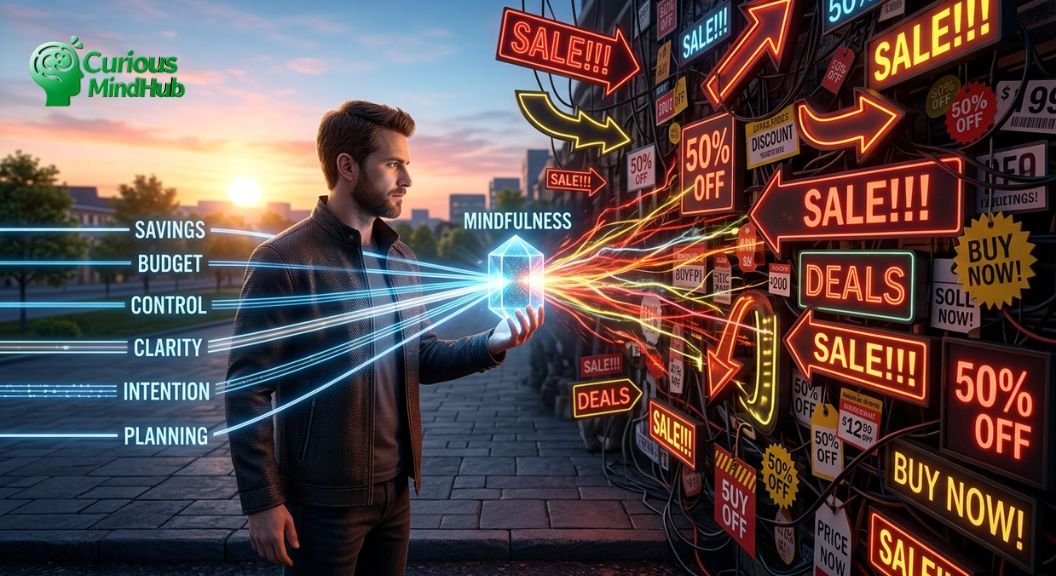

Protect Your Wallet From Sneaky Marketing Tricks
Ever gone into a shop to get milk and come out with a cart full? You probably feel frustrated when your meticulously laid out budget goes out the window. It is a typical experience, and it shows the huge, hidden power of covert marketing methods.
Retailers spend billions analyzing your everyday routines to pull your hard-earned cash. They employ clever consumer behavior manipulation to bypass your logic altogether. Learn how to curb impulse shopping and protect your wallet right away.

What Are Sneaky Marketing Tricks, Exactly?
These are sneaky psychological traps that are built into your buying experience. Designers purposefully design store layouts and internet checkouts to confound your logical thinking. They use retail psychology tricks to make spending money feel effortless and very gratifying.
You face these unseen financial challenges every day. A bad financial deal typically gets hidden behind a big red selling sign. The first step to properly protecting your wealth is knowing these particular trends.
The Sneaky Marketing Tricks That Mess with Your Mind
Your brain loves to take mental shortcuts and cut corners to save precious processing energy. Retailers leverage this biological fact through creative anchoring bias strategies. They start by showing you a really high price so the reduction that comes after seems utterly enticing.
This excellent design will produce a lot of cognitive dissonance if you walk away from the sale. You’d feel stupid walking away from a deal that size. This psychological pressure makes you purchase stuff you never really wanted.

5 Sneaky Marketing Tricks Used in Supermarkets
Supermarkets represent the ultimate testing ground for retail manipulation. First, they place essential items like dairy at the very back of the store. This specific layout forces you to walk past thousands of highly tempting items. Second, they pump fresh bakery smells to trigger immediate hunger.
Third, they play slow music to make you walk slower and browse longer. Fourth, they use psychological pricing on bright end-cap displays. Fifth, they place the most sugary, expensive cereals perfectly at your child’s eye level.
How to Spot Sneaky Marketing Tricks Online
Digital storefronts use highly aggressive tactics to capture your digital wallet. You must learn to outsmart retail psychology when browsing your favorite websites. Look closely at pre-checked subscription boxes hidden near the final checkout button.
These digital environments lack physical friction, making spending dangerously effortless. Always pause for a full day before completing a major online purchase. This simple delay helps you break the intense spell of modern digital marketing immediately.
Identifying Fake Scarcity in Sneaky Marketing Tricks
Online retailers constantly flash bright red text claiming only two items remain. They use these aggressive fake-scarcity methods to create sheer panic among buyers. Your brain releases stress hormones, forcing a rapid, irrational purchase decision.
You can recognize fake discounts easily by ignoring these artificial countdown timers. Reload the page in a private window to see if the timer magically resets. Protect your peace of mind from this toxic sales pressure.
Avoiding the Decoy Effect in Sneaky Marketing Tricks
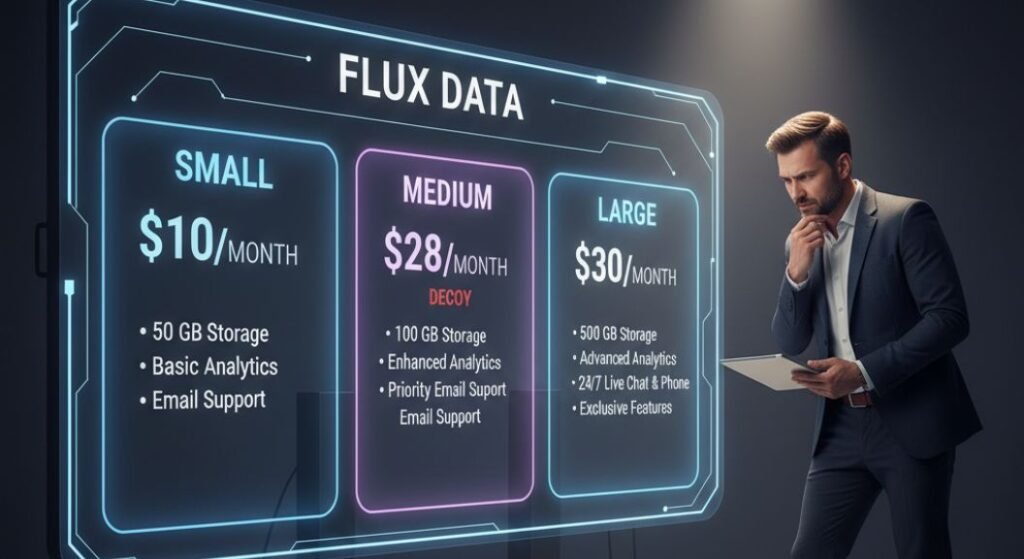
Brands often introduce a highly overpriced middle option to manipulate your choices. This specific tactic relies entirely on decoy effect pricing to steer your final decision. The useless middle option makes the most expensive tier look like a fantastic bargain.
Always evaluate an item based entirely on its standalone practical value. Ignore the surrounding price points the retailer conveniently provides. This strict mental boundary stops you from upgrading your daily purchases unnecessarily.

Why Brands Rely Heavily on Sneaky Marketing Tricks
Corporations are under tremendous pressure to continually prove financial progress to their demanding investors. Traditional advertising costs too much and offers very low modern returns. So they use loss-aversion marketing to squeeze out more money from their existing loyal clients.
These psychological tricks make giant profits with relatively little real work.” Your long-term financial wellness isn’t as important to brands as their quarterly earnings. You are the primary guardian of your bank account.
Charm Pricing’s Role in Sneaky Marketing Tricks
Next time you’re in the grocery store, look closely at the prices. Most things you will notice will end in the number nine. This old-school retail tactic is known worldwide as charm pricing. Your brain reads numbers swiftly from left to right.
You register a product at twenty dollars, not thirty dollars, for twenty-nine dollars. This little biological quirk makes things look a lot cheaper than they actually are. This simple visual gimmick gradually saps your monthly budget over time.

How Sneaky Marketing Tricks Trigger Impulse Buying
Stores put cheap, colored things right next to the cash register. These little products are strong impulse purchase triggers while you wait in line. You’re exhausted from shopping, and your mental defenses are weaker than ever.
You reach for a sweet bar or a fancy magazine without thinking. These tiny, inadvertent purchases ruin your long-term financial objectives one by one. Recognizing this psychological vulnerability helps you resist temptation at the final retail moment.
7 Sneaky Marketing Tricks You Should Avoid Today
Every day you need to watch for all kinds of financial traps. Stay away from stores with complicated, confusing points-based consumer loyalty systems. Watch out for misleading pricing tricks that make bulk items look cheaper per ounce when they aren’t.
Be careful of free shipping minimums that require you to buy more crap. Forget those bogus packages that take a fantastic product and tack on some really superfluous stuff. Stick to a short list and don’t allow shops to tell you what to do every day.

How to Shield Your Budget From Sneaky Marketing Tricks
The best defense is a good offense. The best defense is proactive financial preparation and tight personal restrictions. You need to learn to control your daily spending before you go into a store. Always always shop with a handwritten list and cash only.
Once the money is gone, your shopping trip is over. This physical barrier provides huge friction for wasteful emotional spending. You erect an impenetrable wall between the money you have worked so hard to earn and the greedy corporate marketers.
The Psychology of Successful Stealth Marketing Tricks
The big sales marketers make every day are aimed at your innermost vulnerabilities. They build emotional spending traps that are harmful and meant to make you feel absolutely inadequate. They sell the seductive idea that buying a new product will relieve your everyday anxieties.
True happiness is never delivered in a brown cardboard box. The moment you see through the emptiness they try to manipulate, they hold no control over you whatsoever. You learn to look for true fulfillment beyond the destructive circle of perpetual modern consumption.
How Sneaky Marketing Tricks Use Loss Aversion Against You
Your brain dislikes losing things more than it likes obtaining them. Marketers exploit this biological peculiarity to continually get you to make a choice. They have a unique discount that expires at midnight and creates intense stress and anxiety.
You have to learn to avoid emotional spending traps that are based only on this primordial dread. Realize that if you miss a small retail transaction, it will not wreck your life. Walking away from forced urgency in the long term will save you a lot more money.
Beating the temptation to fall for sneaky marketing tricks
Breaking these ingrained financial patterns takes a substantial amount of time and very persistent effort. You need to be extra careful every time you open your leather wallet. Allow yourself 10 seconds to ask yourself if you really need this item today.
This little break allows you to take back control of your money from mindless, habitual shopping habits. You move from a passive consumer to an active money manager. Your wealth balloons when you eventually stop shopping on complete autopilot.

Tools to Help You Block Sneaky Marketing Tricks
Modern technology gives you great weapons to defend your digital wallet effectively. Install powerful browser extensions that automatically prevent highly targeted ads totally. Stoblock highly targeted ads completelying emails filling your digital inbox every day.
Simple unit pricing calculator apps for going down the congested grocery aisles. These digital instruments disclose the naked reality underlying sophisticated retail pricing mechanisms. They let you make decisions that are totally mathematical instead of highly emotive.
Beating Sneaky Marketing Tricks and How to Master Your Money
Now you have the deep psychological knowledge to fully defend your financial future. Retailers will constantly want to remove you from your hard-earned cash. But you can see their brilliant illusions coming a mile away now.
Be well-disciplined and stick carefully to your printed shopping lists. Learn these smart tricks to beat the retail industry at its own game. Protect your money, grow real wealth, and fuel your continuing personal development.

FAQs:
- What are the usual marketing gimmicks?
Retailers control how much you spend all the time with things like charm pricing, phony scarcity countdowns, and the decoy effect. These are smart psychological tricks that cleverly circumvent your logical reasoning and promote instant impulsive buying.
- Do they make you spend more money at supermarkets?
Grocery retailers put the best stuff at the back so you have to walk past hundreds of tempting promo displays. They also play soft music and pump pleasant scents to keep you browsing for much longer.
- What is the decoy effect, and how does it relate to pricing?
The decoy effect involves adding an overly priced middle choice to make the most expensive tier look like a fantastic deal. This psychological pricing ploy guides your decision to spend more money than you intended.
- How do I stop impulse buying online?
Make it such that you have to wait twenty-four hours before any digital purchase is final. This would completely break the trap of immediate emotion. Plus, it keeps the ongoing temptation from your hectic daily life out of advertising retail communications.
- Why do prices usually end at 99 cents?
This is called “charm pricing,” and it uses the way your brain processes numbers swiftly from left to right. You see something for nineteen dollars and think, “Wow, that’s a lot less than twenty dollars.”