
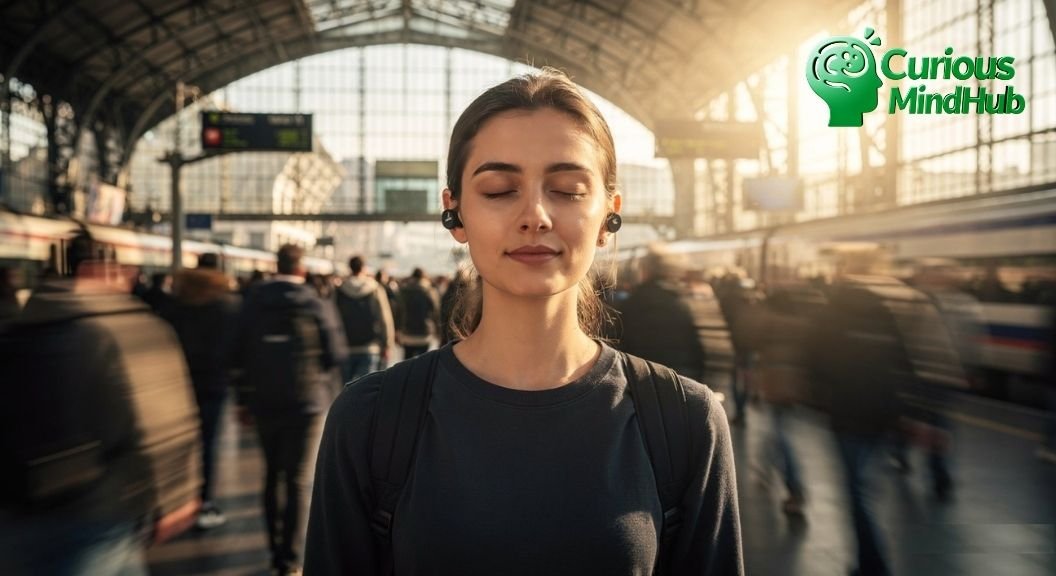

How to Survive Crowded Spaces Without Sensory Overload
Does stepping into a busy shopping mall instantly make your heart race? You are definitely not alone in feeling this way. Many highly sensitive people find busy, loud environments completely exhausting. Here at Curious Mind Hub, Ivy Calder created this space to help you understand your mind better.
If you want to protect your energy, you must learn how to survive crowded spaces. Taking these proactive steps will transform your daily dread into social confidence. Let us explore the psychology of sensory regulation and how you can reclaim your peace today.

Section 1: Why crowded places drain you: the hidden psychology of overstimulation
Your brain is a big filter for infinite environmental stimuli. When you walk into a loud room, your brain works overtime, processing every sound and every movement. This rigorous mental work rapidly consumes your valuable cognitive bandwidth.
A recent study published in PubMed shows that sensory overload can cause significant stress responses. Your nervous system interprets the chaos as a physical threat to your body. This invisible fight is the reason you feel so exhausted in public spaces after just running a few errands.
Understanding this biological response is the first step to your real freedom. It’s not that you’re weak; it’s that a trip to a bustling supermarket makes you feel totally depleted. Your brain processes environmental input with a far higher intensity than others.
Section 2: Knowing Your Special Sensory Triggers for Surviving Crowded Spaces
If you don’t fully comprehend a complex situation, you can’t fix it. Each person reacts differently to different overwhelming sensory inputs. The only way to tolerate crowded spaces is to identify your triggers.
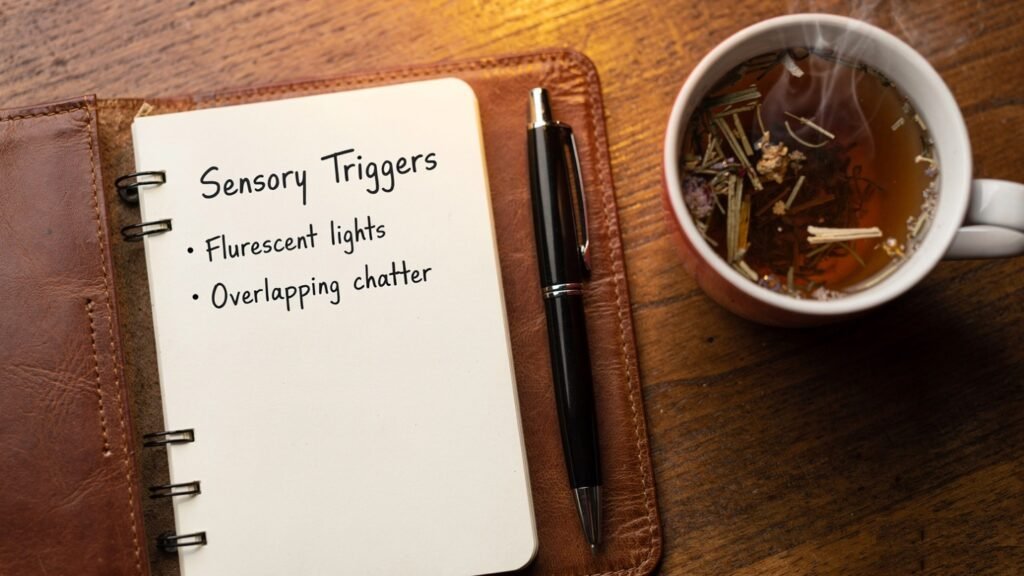
So maybe loud background discussion is not so good for you, but bright fluorescent lights are. Once you’ve identified your top stressors, you can use super specialized sensory management tactics. A simple daily journal can be a great way to track these underlying environmental patterns.
Pay attention to how your body feels in various public places. It’s important to know that a busy train will tire you out faster than a busy park. Such strong self-awareness allows you to organize your busy days well.

Section 3: 5 proven grounding techniques to manage in the moment and survive crowded spaces
If you panic, you need rapid physical relief to be absolutely calm. You can avoid an all-out sensory meltdown by discovering simple strategies to ground your body. Here are 5 proven grounding tactics for surviving in busy places:
- Bilateral Stimulation: Tapping on both sides of your body has a calming effect on the brain.
- Deep pressure therapy: Applying forceful physical pressure to calm your nervous system.
- Visual task: Count the blocks of a particular color in a cluttered background.
- Tactile grounding: Feeling something cold brings you back to reality.
- Rhythmic breathing: Slow breaths immediately lower your heart rate.
Sub-section 3.1: Rebalance your overstimulated brain using bilateral stimulation
When feeling stuck, perform bilateral stimulation techniques to self-soothe. Tap your left leg, then your right leg at a slow pace. This back-and-forth exercise really helps to swiftly balance your hemispheres.
Several trauma therapists at Stanford University (.edu) recommend this precise physical treatment. It stops the terror loop that’s rising in your racing mind. This technique may be done easily under a table without anyone seeing it.
It’s much easier to use the rhythm in public if you have practiced it at home. When the jumbled cacophony rises, your hands will know what to do. You get back a basic sense of control over your own physical body.

Sub-section 3.2: Practice deep pressure therapy for immediate nervous system relief
When the loudness gets excessive, use deep pressure treatment for quick comfort. Give yourself a good tight embrace or push your hands firmly into your thighs. This deep touch releases relaxing serotonin in the brain instantly.
This physical method is similar to the comforting sensation of a thick weighted blanket. This is one of the best techniques I know of for soothing the nervous system. Your physical body soon sheds the arduous fight-or-flight response.
You can even wear a heavy backpack to feel grounded this way. The never-ending weight on your shoulders provides you constant respite in a busy setting. It’s the invisible armor against the chaotic world around you.
Sub-section 3.3 Noise reduction with the 5-4-3-2-1 visual focus technique
Loud, unpredictable spaces drastically impair your usual auditory processing. To fight this deafening din, focus your attention solely on your visual senses. Find five blue things within 20 feet (6 metres) of where you are right now.
This easy counting trick will focus your thoughts on just one job. It prevents your mind from taking in every crazy noise in the room. This mental anchor is a great comfort to noise sensitivity in congested supermarket stores.
Your breathing will automatically slow down when you are looking for these particular things. The noisy background talk gradually dies down to a bearable hum. You take your attention fully from the overwhelming external surroundings.

Section 4: Stop getting exhausted in public places: map your quiet escape routes early
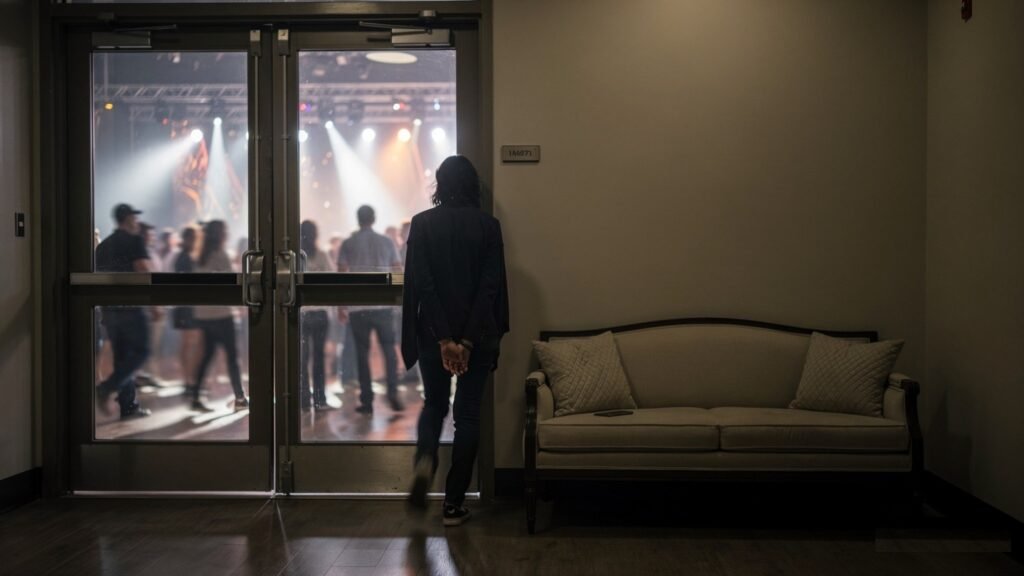
Careful planning is the best protection against abrupt sensory panic. You should always plan for quiet exits before going to a big event. Locate a quiet hallway, an empty restroom,meters)restroom, or an isolated stairwell in advance.
Having a safe way out reduces your daily baseline anxiety a lot. WHO Europe’s thorough analysis highlights that predictable environments significantly decrease mental anguish. Knowing that you can quickly escape will make you feel much braver.
Always park your automobile where you can get out quickly. If you feel great panic when trapped, do not rely solely on public transit. When you can choose your leaving time, your experience is completely different.
Section 5: 7 secret indications of sensory overload you need to never overlook
Ignoring what your body is telling you merely makes the physical collapse later that much harder. You have to learn to detect when your brain is maxed out. When you’re in a congested area, look out for these 7 signs:
- Snapping irritability: You snap at close friends over very minor, innocent things.
- Muffled hearing: People sound like they are talking underwater.
- Clenched jaw: Your face muscles become quite tense, rigid, and sore.
- Urgency to escape: You feel a strong, immediate need to get outside right now.
- Tunnel vision. You have no sense of your wider peripheral environment anymore.
- Skin sensitivity: Your ordinary clothes suddenly feel quite rough and uncomfortable.
- Mental blankness: You entirely forget what you were just talking about moments before.
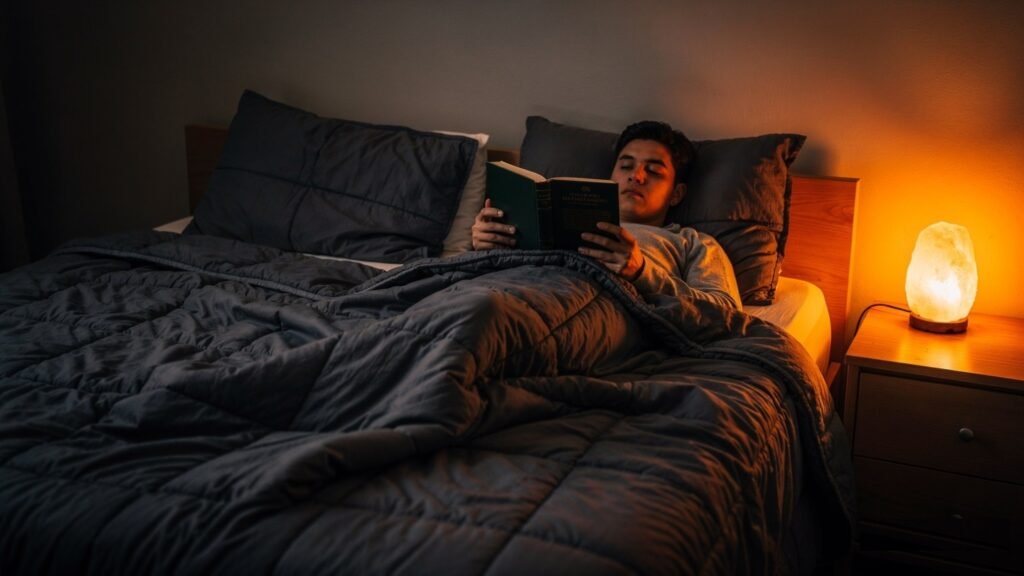
Section 6: How to survive crowded spaces using high-fidelity earplugs and modern tools
You do not have to suffer through deafening restaurant chatter anymore. You should wear high-fidelity earplugs to filter out the harshest background frequencies. They comfortably lower the volume without completely muffling normal human conversations.
These small, discreet devices are absolute lifesavers for managing public overstimulation. Keep a spare pair attached to your car keys so you never forget them. Having the right physical tools helps you survive crowded spaces with absolute ease.
Many modern earplugs are designed to look exactly like stylish jewelry. No one will even notice you are actively protecting your precious hearing. Investing in good ear protection is a crucial act of self-care.
Section 7: Master your nervous system to survive crowded spaces gracefully
Your nervous system dictates exactly how you experience the busy world around you. When you enter a massive crowd, your body often slips into severe hyperarousal. Your heart beats faster, and your breathing becomes very shallow and rapid.
You must actively teach your tired body to feel safe again. Taking long, slow exhales tells your anxious vagus nerve to stand down immediately. Mastering this internal physical control helps you survive crowded spaces gracefully and calmly.
Try to drop your tight shoulders away from your tense ears. Unclench your jaw and let your tongue rest gently on the roof of your mouth. These tiny physical adjustments send massive safety signals straight to your brain.

Section 8: 4 boundary-setting scripts to survive crowded spaces with extroverted friends
The people in your social network might not comprehend your desire for calm. You have to build strong social boundaries to protect your fragile mental energies. By sharing your boundaries, you avoid building up animosity and preserve your precious friendships.
Don’t ever feel bad about prioritizing your emotional and physical health. These 4 simple scripts will help you when you’re fully overwhelmed in public:
- Really enjoying the moment, but I need ten minutes of calm outside.
- This area is too loud for me. “Let us go into a quieter corner.
- “I’ve reached my social quota for the night, so I’m going home early.
- I’d like to see you, but let’s choose a quiet cafe.
Section 9: For the hyper-aware of their environments: navigating crowded spaces
Highly sensitive folks can feel every little thing in a bustling room. The strong, constant awareness makes it exceedingly hard to try to endure busy places. So your brain is trying to process the loud music, flashing lights, and conversations all at once.
And to do it well, you have to impose artificial limits on the constant intake of sensory impressions. Wear a comfortable hat for protection from bright overhead lighting inside of large stores. Or try sitting directly in front of a blank, quiet wall in eateries.
Cutting off these visual distractions can help you preserve your attention and precious energy. You don’t have to watch everything that is going around you all the time. Give your weaeateries. quiet respite to save your busy mind.

Section 10: What conditions are associated with sensory overload in daily life?
Many different neurodivergent conditions make processing loud environments very painful and exhausting. Autism and ADHD are incredibly well-known for causing intense daily sensory struggles. However, severe anxiety and chronic migraines also amplify your environmental sensitivities greatly.
According to recent data from the National Institutes of Health (NIH.gov), trauma directly alters how your brain processes sound. Acknowledging your underlying psychological conditions brings you valid emotional relief. It proves that your intense exhaustion is biological, not a personal failure.
Getting a proper medical diagnosis often opens the door to helpful therapies. You can work with a trained professional to develop highly personalized coping strategies. You truly deserve to navigate the world without feeling constant physical pain.
Section 11: How to manage sensory overload and survive crowded spaces at busy events
Large music concerts and busy professional conferences demand massive amounts of mental energy. To handle these major events successfully, arrive early before the large crowds gather. Finding your quiet seat while the room is mostly empty prevents sudden shock.
Take frequent, scheduled bathroom breaks just to sit in absolute silence. Do not force yourself to stay in the absolute loudest areas for hours. These small, deliberate choices help you manage the intense environment successfully.
Always bring cold water and a small, comforting snack with you. Staying hydrated and nourished keeps your baseline physical anxiety from spiking unnecessarily. You can enjoy big events if you pace your precious energy carefully.
Section 12: Create a mandatory post-event recovery plan to survive crowded spaces completely
The tremendous physical fatigue doesn’t miraculously disappear the moment you leave the loud arena. You need to prepare for recuperation time after the event to restore your exhausted brain. Think of this necessary quiet time as a firm, non-negotiable medical appointment.
Lie in a dark room at approximately 65 degrees F (18 degrees C). Try not to look at bright screens on phones or listen to noisy television shows. This slow recuperation phase avoids a far bigger emotional crash the next day.
Have a nice bath or read a calming book in utter stillness. Let your very excited nervous system settle back down to its natural level. By honourinonce. g your fundamental need for rest, you will find subsequent social activities much more delightful.
Section 13: Take care of your mental health: don’t force yourself to stay in very loud rooms
In our modern society we often glorify people who always push through their deep bodily anguish. But if you experience horrible pain, it can do a lot of damage to your mental health. If a situation is really unpleasant, you have the right to walk away.
Recent Eurostat workplace surveys show that occupational noise is an important aspect of the overall well-being of Europeans. If a restaurant is too loud analyzethen leave and find another one soon. Always more important than politeness: your inner serenity.
You don’t need to explain to anyone why you need a quiet spot. Your personal health and comfort should always be your first priority. To walk away from an overwhelming atmosphere is an act of tremendous self-respect.
Section 14: How to survive crowded spaces and reclaim your daily social confidence
You don’t have to hide alone forever in your quiet house. Armed with the proper protection techniques, you may return to exploring this magnificent planet securely. You can withstand crowded settings confidently without jeopardizingloud,jeopardizing your delicate mental health.
Start very little, perhaps twenty minutes in a fairly busy cafe. Use your grounding skills and get out before you’re totally spent. Keep practicing and you will steadily stretch your comfortable social limitations.
At Curious Mind Hub, we really believe in your amazing resilience. Practical strategies to start developing a life that feels safe. You have the strength within to recover your bright social confidence today.
FAQs:
- How do you cope with sensory overload in public?
To help control sensory overload, consider moving to a quieter area, utilising high-fidelity earbuds, and practicing deep breathing methods. Know an escape route. This will keep your terror from increasing.
- Why do I feel overwhelmed in crowds?
Your brain is overwhelmed. It ishonoring madly trying to analyse too many environmental stiweariness.muli at once.once. It drains your cognitive bandwidth. once.once.bandwidth. This kind of tremendous mental effort creates a major stress response, which makes you physically drained.
- What does sensory overload really feel like?
It can feel like intense anger, abrupt cognitive fog, or an urgent need to get out of the room immediately. You may also have severe bodily symptoms such as a pounding heart, clenched jaw, or muted hearing.
- How do you recover from extreme overstimulation?
Quickly quiet your thoughts using deep pressure treatment or bilateral stimulation to help settle your tense nervous system. Next, it is important to withdraw to a cold, dark, and absolutely quiet room for a total mental recuperation.
- Can earplugs help with sensory overload?
Yes, high-fidelity earplugs are wonderful tools, since they allow you to filter out unpleasant background sounds smoothly without totally filtering out normal human conversations. They really do lessen your hearing burden, making loud and chaotic surroundings a lot more bearable.