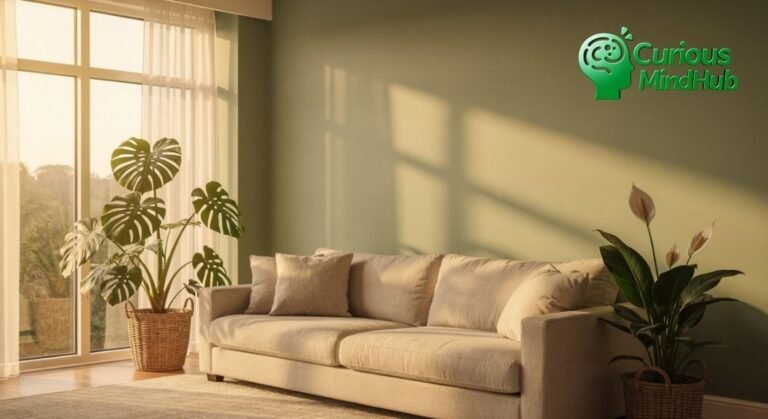
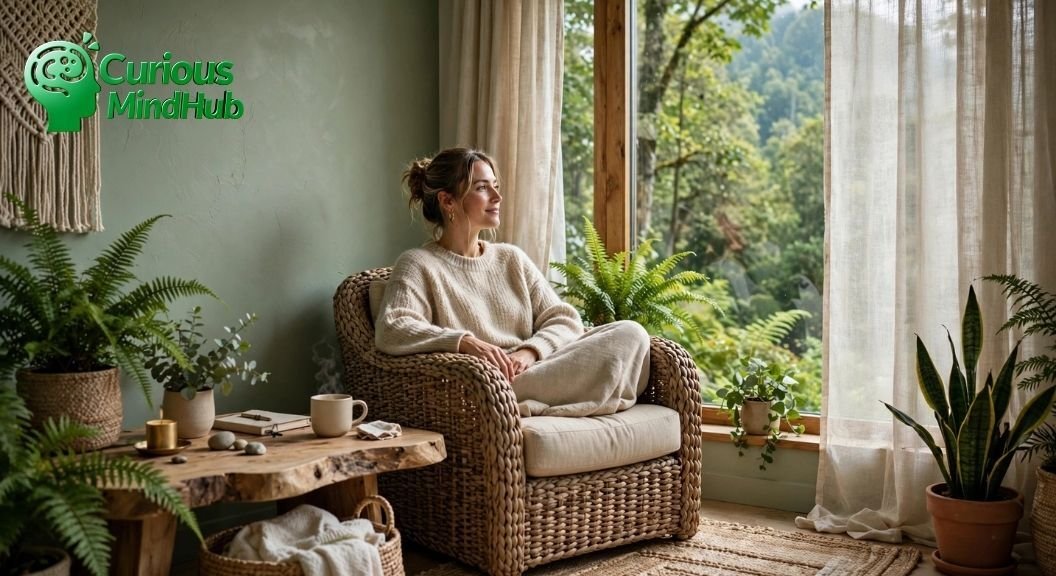

Do you ever walk into your house and instantly feel a wave of exhaustion hit you? Your home should serve as a personal sanctuary, yet modern interiors often amplify everyday stress. Spaces that ignore basic environmental psychology actively drain your mental energy instead of restoring it.
According to data from the World Health Organization (WHO) Europe, poor housing conditions directly impact psychological health and increase chronic stress. In the US, the Centers for Disease Control and Prevention (CDC) notes that prolonged stress undermines your immune system. Fortunately, you can deliberately design rooms for mental wellness to counteract these modern pressures.
Imagine coming home to an environment that lowers your heart rate and clears your mind. By adopting a system of holistic interior design, you create an intentional space focused on cortisol reduction. You can transform any standard room layout into an oasis that supports emotional balance and long-term vitality.
You do not need an expensive renovation to achieve this profound lifestyle shift. This architectural guide provides practical steps to transform your physical surroundings starting today. Let us explore how simple, intentional adjustments to your home environment can dramatically elevate your daily cognitive health.
Section 1: Why is it crucial to design rooms for mental wellness today?
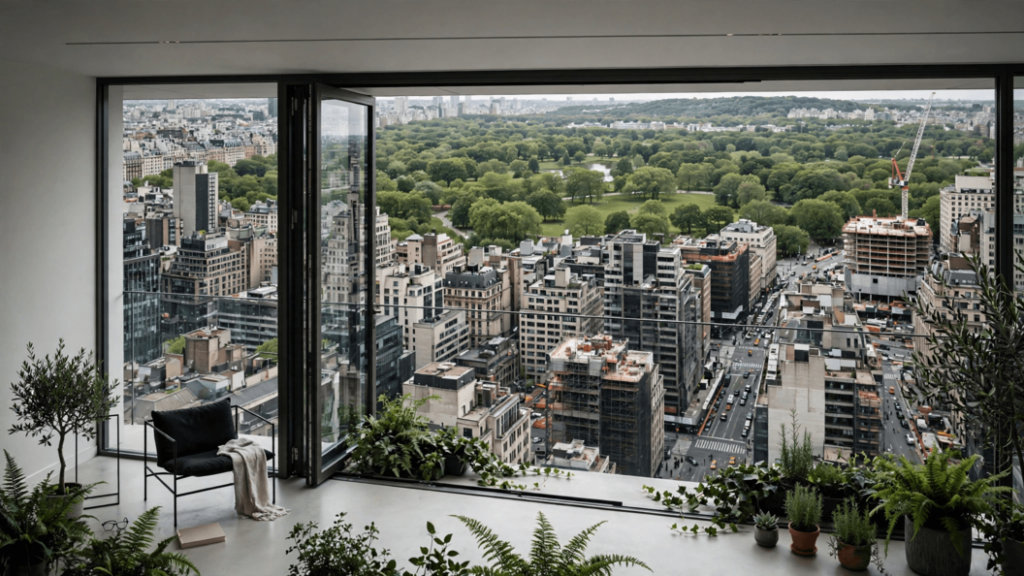
Modern professionals spend over 90 percent of their daily lives indoors, isolated from natural rhythms. A groundbreaking study in PubMed reveals that poor indoor conditions increase daily anxiety levels by nearly forty percent. Our current spaces simply fail to support our foundational neurological needs.
High cognitive load from constant screen time demands a counterbalancing physical space. When you choose to design rooms for mental wellness, you actively build a barrier against urban burnout. Your home becomes a tool for mental restoration rather than an extension of your stressful office environment.
Section 2: How does interior design help mental health when you design rooms for mental wellness?
Your immediate physical environment acts as a silent mirror for your internal psychological state. Expert research in environmental psychology shows that spatial proportions and ceiling heights modify human brainwaves. Thoughtful architecture stimulates positive emotional responses and fosters a deep feeling of security.
Applying spatial wellness architecture allows you to change how your nervous system reacts to your home. By optimizing spatial design, you alter physical pathways linked to your daily emotional baseline. Ultimately, you can modernize the design of its rooms for mental wellness to deliberately cultivate mental clarity and peacefulness.
Section 3: How to manage lighting when you design rooms for mental wellness
Lighting stands as the single most critical factor in regulating your daily hormonal balance. To optimize your home, you must balance natural daylight effectively throughout the morning hours. Optimizing early bright light enhances alertness and helps lower morning anxiety naturally.
As evening arrives, you should avoid harsh artificial glow to preserve your natural sleep cycles. Implementing dynamic circadian lighting keeps your internal clock perfectly aligned with nature. Keep evening spaces cozy by lowering ambient temperatures to around 68°F (20°C) for ideal sleep prep.
Section 4: How to use organic materials to design rooms for mental wellness
Bringing natural components inside is creepier. It tests an immediate, measurable soothing effect on the human body. A recent study from a prominent university (.edu) verified that viewing raw timber reduces autonomic nervous activity. You should purposefully integrate organic textures to bridge the gap between nature and architecture.
When you choose to design rooms for mental wellness, physical touchpoints matter immensely. Incorporating unrefined stone, linen curtains, and organic textures in home decor anchors your sensory experience. These natural elements help interrupt anxious thought patterns by redirecting your attention to tactile sensations.
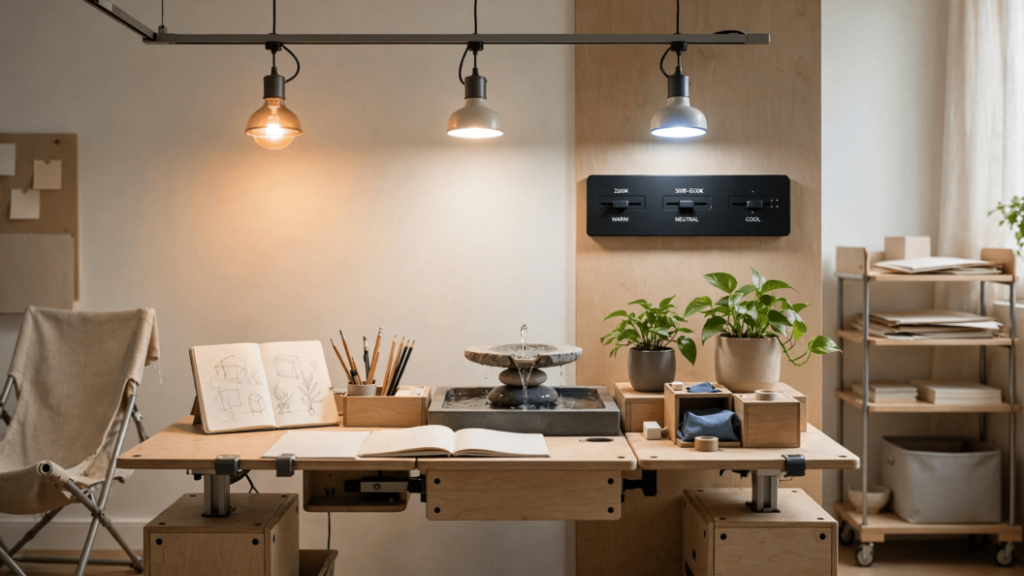
Section 5: 10 simple ways to design creative spaces that support well-being
- Maximize window views to keep your eyes connected to the outdoor world.
- Choose variable lighting setups that easily support both morning focus and evening calm.
- Incorporate indoor plants to enrich indoor oxygen levels and provide vital biophilic elements.
- Use soft textures like woven wool to establish physical warmth and psychological comfort.
- Introduce moving water features to mask disruptive external city noises effectively.
- Select flexible furniture pieces that allow your spaces to adapt to different creative projects.
- Build hidden storage compartments to prevent clutter from overwhelming your visual field.
- Dedicate a quiet corner solely for mindfulness practice away from digital screens.
- Display personal artwork to reinforce your unique sense of identity and personal comfort.
- Arrange seating configurations to support intimate conversation and deep social connection.
These simple practical steps ensure your creative layout helps reduce daily cognitive load. You will quickly notice a profound positive shift in your focus.
Section 6: 5 ways home design can help boost mental health
- Enhancing your home circulation patterns allows you to move freely without feeling restricted.
- Optimizing acoustic insulation keeps external urban stress away from your personal living areas.
- Standardizing smart storage options helps you consistently declutter your living space with minimal effort.
- Introducing natural ventilation systems fills your rooms with fresh, clean air throughout the day.
- Isolating specific digital zones protects your brain from constant work-related notifications.
These structural updates help establish stable long-term health improvements within your home sanctuary.
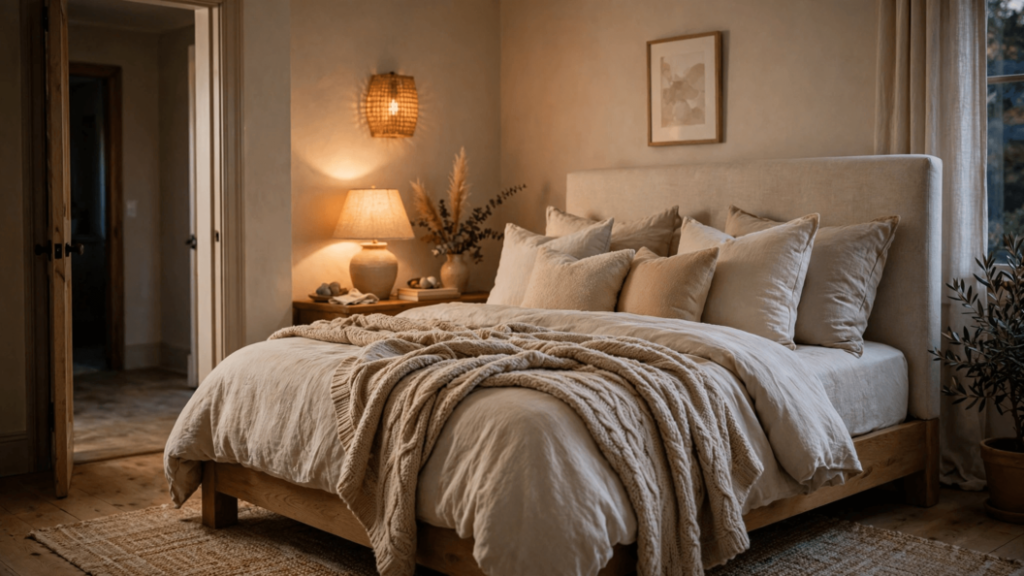
Section 7: Master the psychology of room layout to design rooms for mental wellness
The physical arrangement of your furniture dictates how energy and movement flow through your life. Poor layouts cause subtle, persistent frustration and increase your subconscious stress levels. Mastering the deep psychology behind spatial placement allows you to cultivate an instantly recognizable atmosphere of peace.
When you design rooms for mental wellness, intentional pathways are absolutely essential. Keeping walkways clear and open allows your mind to navigate your environment without visual friction. Let us break down how specific well-being room layouts optimize the primary zones of your home.
Sub-section 7.1: Living room layouts for promoting relaxation and social interaction
Your main living space requires an architecture that invites open, stress-free human connection. You should arrange furniture for calm by positioning primary seating options at comfortable angles. Avoid placing your sofa directly facing the television to encourage genuine evening dialogue.
Keep a clear perimeter of at least 3 feet (1 meter) around central tables to preserve natural movement. This spatial openness prevents a cramped feeling and reduces immediate sensory overwhelm. As a result, family members feel safe and completely relaxed in the shared space.
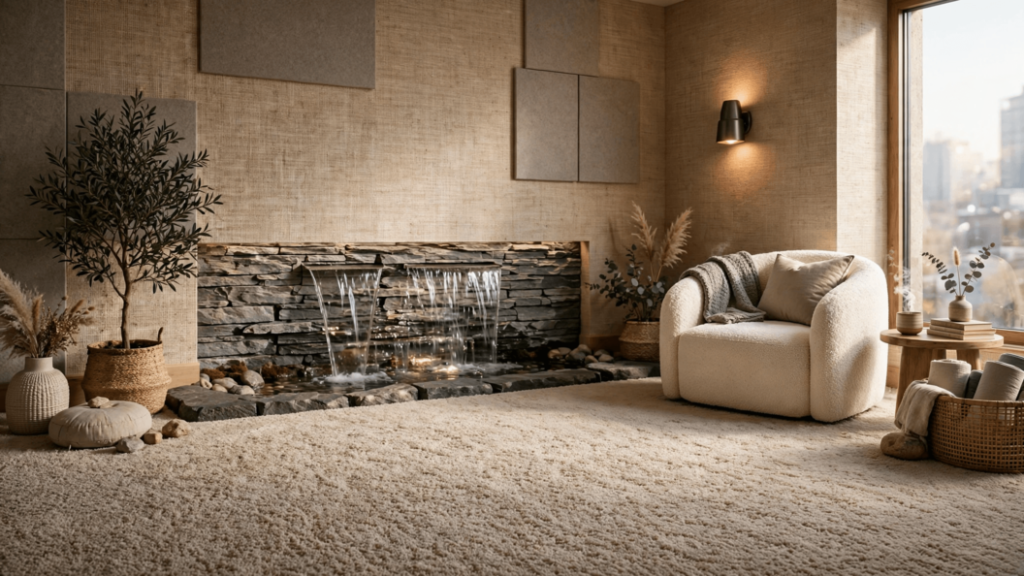
Sub-section 7.2: Bedroom layouts for creating a sanctuary for rest
Your bedroom layout must serve as an absolute protective shield against outer-world chaos. Position your bed away from direct alignment with the doorway to heighten your instinctual sense of security. This ancient spatial principle triggers natural cortisol reduction pathways by facilitating deeper rest.
Keep electronic devices and exercise machinery completely out of this designated resting zone. Restricting this area strictly to sleep helps train your brain to relax immediately upon entering. You will finally achieve the restorative, deep sleep your body requires each night.
Sub-section 7.3: Home office layouts for boosting productivity and focus
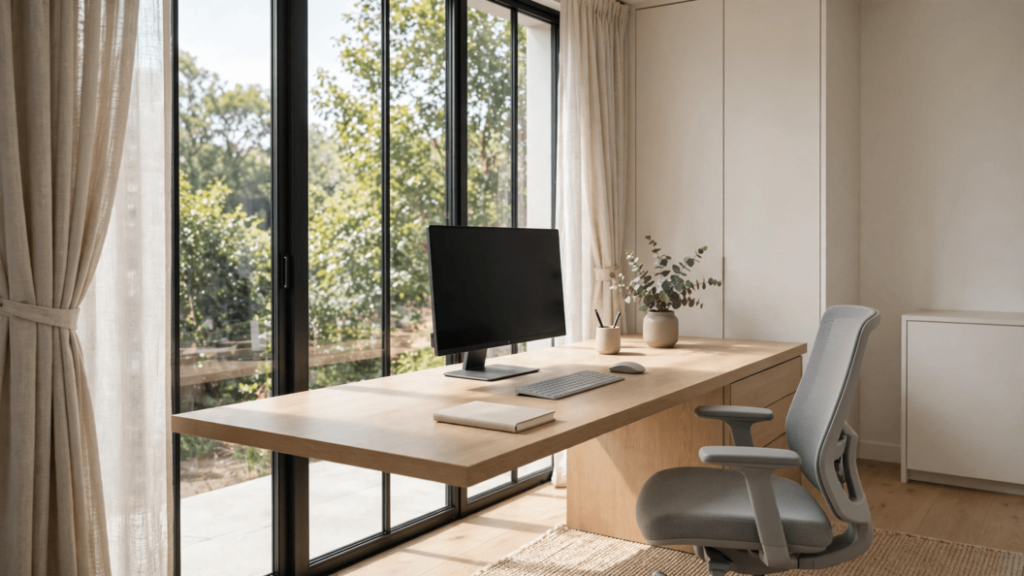
Working from home demands a design layout that supports sharp cognitive focus without inducing anxiety. Place your desk perpendicular to a window to balance natural daylight without experiencing screen glare. This layout keeps your eyes refreshed and lowers daily mental strain.
Keep administrative tools organized behind closed doors to avoid continuous reminders of uncompleted tasks. Separating your working view from domestic distractions allows you to maintain stable attention. You will accomplish more tasks while protecting your precious evening energy reserves.
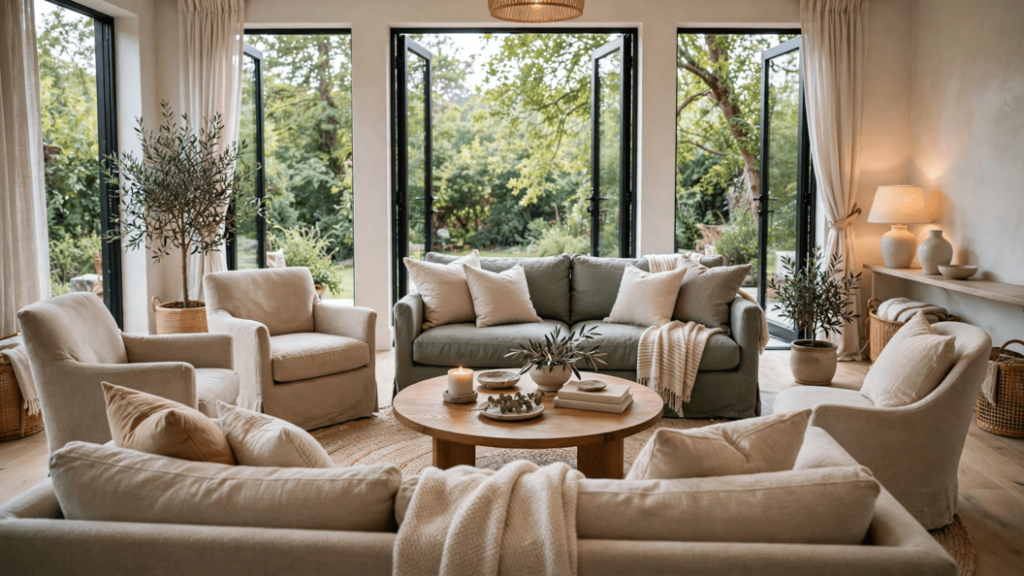
Section 8: How to design rooms for mental wellness by balancing stimulation and rest
Human minds require a delicate architectural balance between inspiring novelty and soothing predictability. Rooms with excessive patterns trigger sensory fatigue and elevate your daily mental exhaustion. Conversely, completely sterile environments feel institutional and fail to support emotional vitality.
To design rooms for mental wellness successfully, you must designate specific zones for different activities. Keep your active working spaces visually distinct from your quiet meditation areas. This clear spatial wellness architecture allows your brain to transition easily between focus and deep relaxation.
Section 9: Layer sensory details in your interior design for grounded living
True spatial wellness reaches far beyond what your eyes see in a room. You must curate sensory details to fully engage your sense of touch, hearing, and smell. Using tactile, sensory, and spatial design helps anchor your wandering mind into the present physical moment.
Incorporate soft wool rugs beneath your feet and diffuse calming essential oils like lavender. These gentle elements work together to send immediate safety signals to your central nervous system. Your home transforms into an immersive ecosystem that naturally dissolves accumulated stress.
Section 10: 4 calming color psychology tips to design rooms for mental wellness
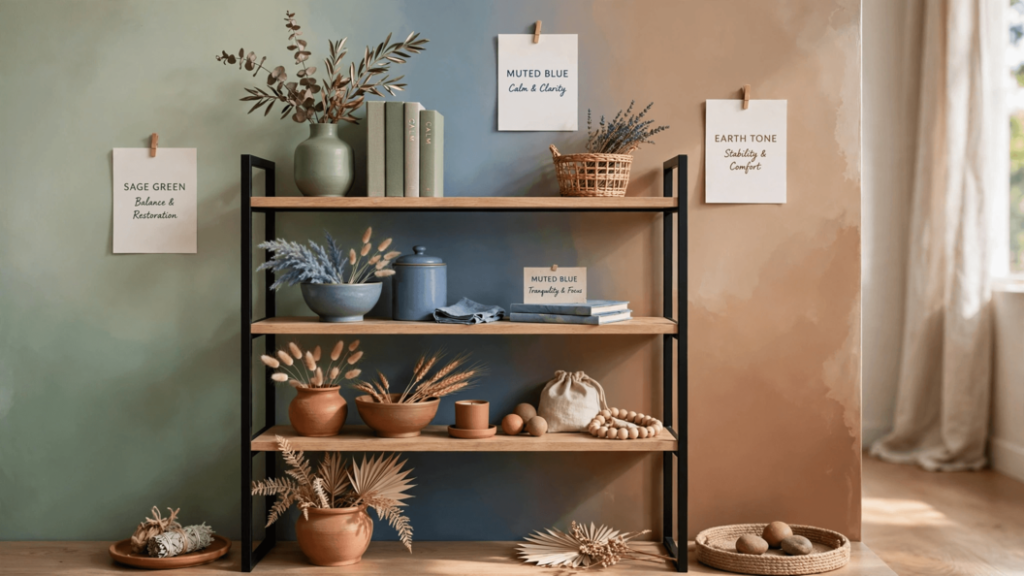
- Select muted earth tones to form the foundation of your main living areas.
- Implement soft sage green to encourage deep breathing and evoke refreshing natural landscapes.
- Apply gentle, low-saturation blues to lower your heart rate in resting spaces.
- Avoid using high-contrast, bright crimson colors in rooms meant for evening relaxation.
Utilizing these tested calming color palettes ensures your walls reflect tranquility rather than chaos. You can easily boost mood with decor elements that complement these soothing backdrops.
Section 11: 7 wellness room design ideas integrating light, texture, and sound
- Install sheer linen drapery to diffuse blinding afternoon sunlight into a soft glow.
- Lay down thick plush carpets to dampen irritating echoes and unwanted ambient footstep sounds.
- Hang textured grasscloth wallpapers to introduce rich visual depth without using loud paint colors.
- Mount dimmable sconces at eye level to avoid harsh shadows from overhead fixtures.
- Use solid wood doors to establish premium acoustic boundaries between busy household zones.
- Place smooth river stones in decorative trays to bring tactile outdoor elements inside.
- Position a comfortable reading chair directly facing a sunlit corner of the room.
When you curate sensory details thoughtfully, these adjustments work together seamlessly to create a balanced environment. Your home will quickly become a true masterpiece of functional wellness.
Section 12: Prioritise emotional safety alongside physical comfort to design rooms for mental wellness
An ideal home must support your psychological vulnerability alongside your physical body. Designing for emotional safety means arranging rooms so you never feel exposed or trapped. Choose seating options that provide solid back support and clear views of room entryways.
When you design rooms for mental wellness, you honor your evolutionary need for shelter. Interspersing subtle biophilic elements alongside cozy alcoves allows family members to recharge without feeling completely isolated. This cognitive approach fosters a deep sense of belonging and peaceful security for everyone.
Section 13: How to infuse wellness-focused interior design throughout your home
Transforming your home layout does not require a massive, immediate financial investment. Begin your wellness journey by focusing on one small corner of your bedroom. Introduce a single plant, reduce visual clutter, and replace any broken lighting fixtures first.
Gradually extend these spatial changes into your hallways, kitchen, and shared living areas over time. You can easily boost mood with decor choices that carry deep personal meaning. Each small adjustment builds momentum toward creating a fully optimized, health-supporting home ecosystem.
Section 14: Stop ignoring visual warmth and let people see themselves within the space
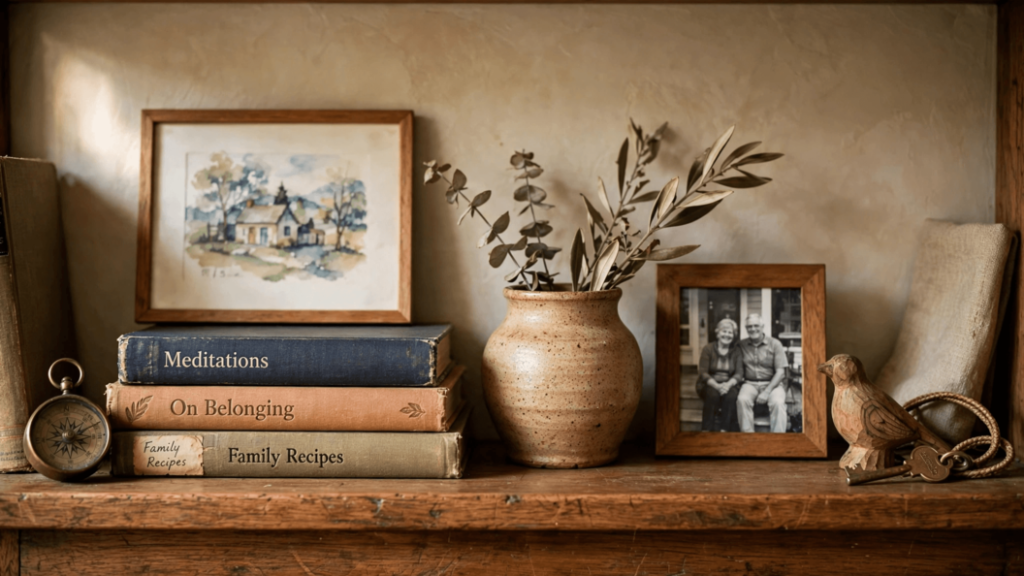
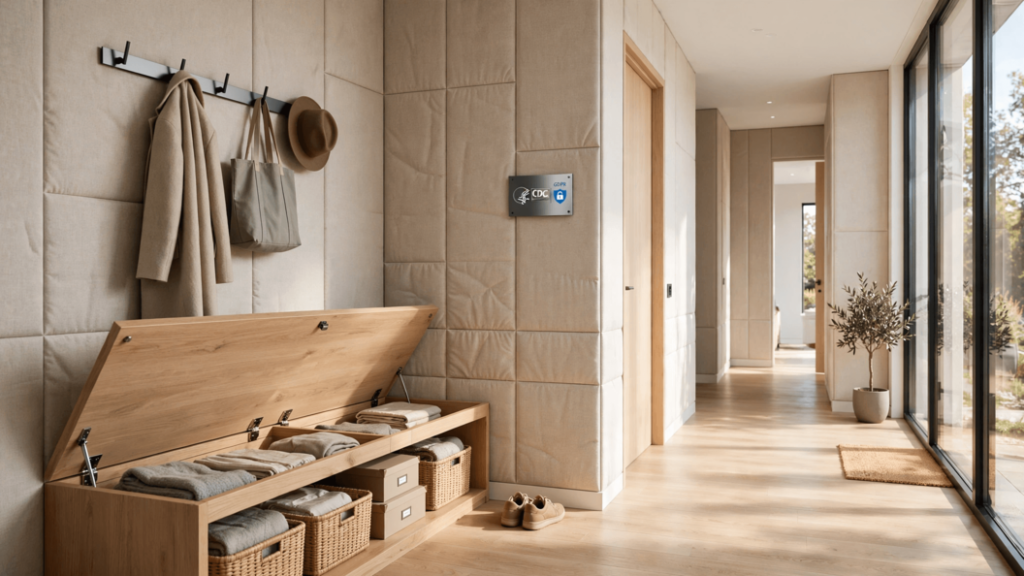
Ultra-minimalist design trends often strip modern optimized forms of their essential human warmth. Leaving walls entirely bare creates a sterile environment that can amplify feelings of loneliness. Focus on reducing visual clutter while ensuring you include visual warmth through personal books and heirlooms.
Allowing your unique personal history to show through your decor builds deep psychological grounding. Your physical space should tell your story and reflect your true inner self. This authentic design approach completes your path toward lasting emotional and spatial wellness.
FAQs:
The effect of interior design on mental health?
The physical environment alters your brain wave activity and hormone levels. Optimizing lighting, layout, and visual clutter directly reduces cognitive load and lowers everyday anxiety.
What color soothes anxiety and stress in a room?
Soft muted earth tones like sage greens and muted blues are quite helpful at lowering your pulse rate. These colors evoke biological calming reactions, while bright red or high-contrast tones can create a slight panic.
How do you establish a healthy room in your home?
Have a designated space (no technology allowed) for sensory decompression. Add easy walking paths, vibrant circadian lighting, and organic textures like linen and raw wood to ground your thoughts.
What is biophilic architecture design?
It is a design framework that intentionally incorporates natural elements, such as sunshine, plants, and organic materials, into indoor spaces. This method satisfies our evolved need for nature and drastically lowers cortisol levels.
How do the arrangements of your rooms affect your mood?
Furniture is crammed and mixed up, blocking natural flow, producing constant, subconscious dissatisfaction. In contrast, wide spaces with clear walkways will enhance your emotional security and physical ease.