
How to recover quickly from overstimulating environments
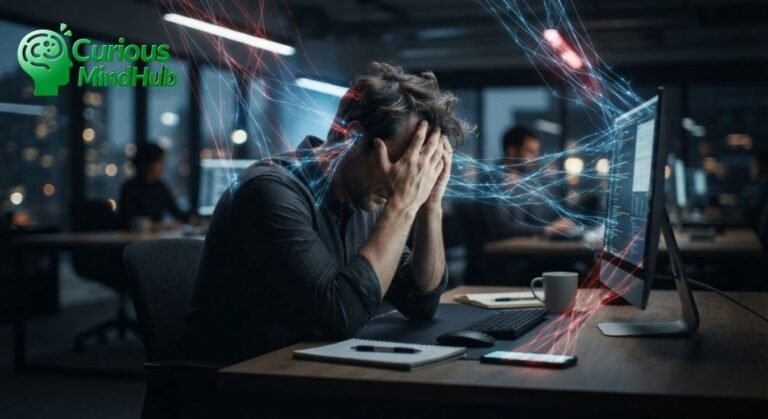
You emerge from a busy, noisy retail mall. Your heart is racing, and your head is throbbing. The bright lights and the constant talking just exhaust you. You need tranquility so much right now.
This powerful feeling is very common today. When you get a really bad sensory overload, your brain just crashes. You’re learning how to recuperate from overstimulating surroundings so you can get your day back and get your vitality back.
We at Curious Mind Hub know this daily battle well. It’s easy to train your brain to calm down quickly. Let’s go into science-backed ways to calm your stressed nerves right now.
How to recover quickly from overstimulating environments at work
Open-plan offices destroy your mental focus. The constant chatter and ringing phones trigger severe, immediate stress. According to a recent report from WHO Europe, excessive workplace noise heavily contributes to chronic mental fatigue.
You must take deliberate action to find real sensory overload relief during your shift. Do not just sit at your desk and suffer in silence. You can take back control of your workday.
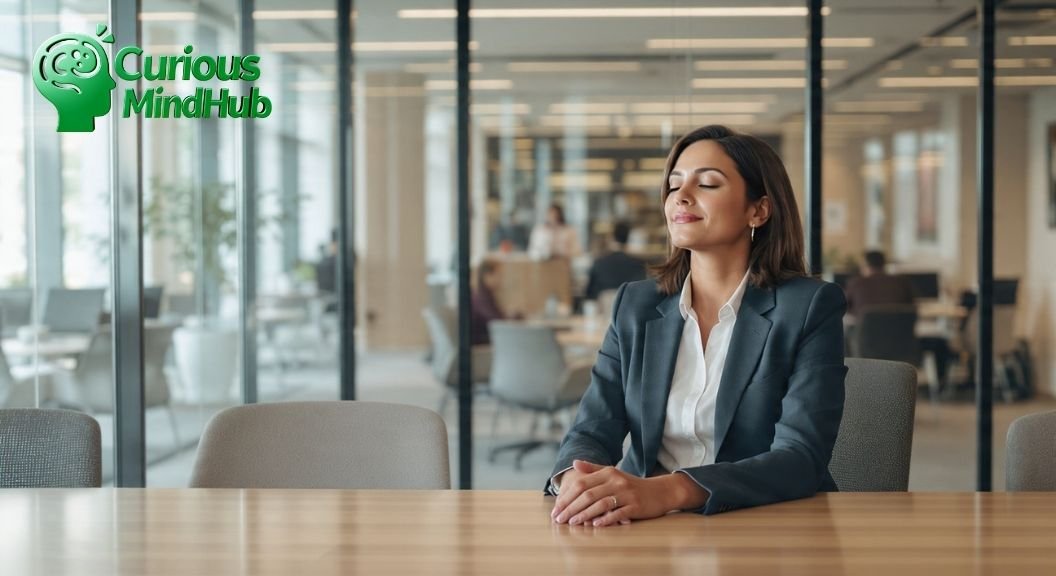
Find an empty room to recover quickly from overstimulating environments
When the office noise becomes too loud, you must leave the immediate area. Simply step into a quiet room to escape the chaos. A vacant conference room works perfectly for this short break.
Give yourself five minutes of total silence. This brief pause stops your rising anxiety in its tracks. It allows your brain to process the accumulated sensory input safely and effectively.
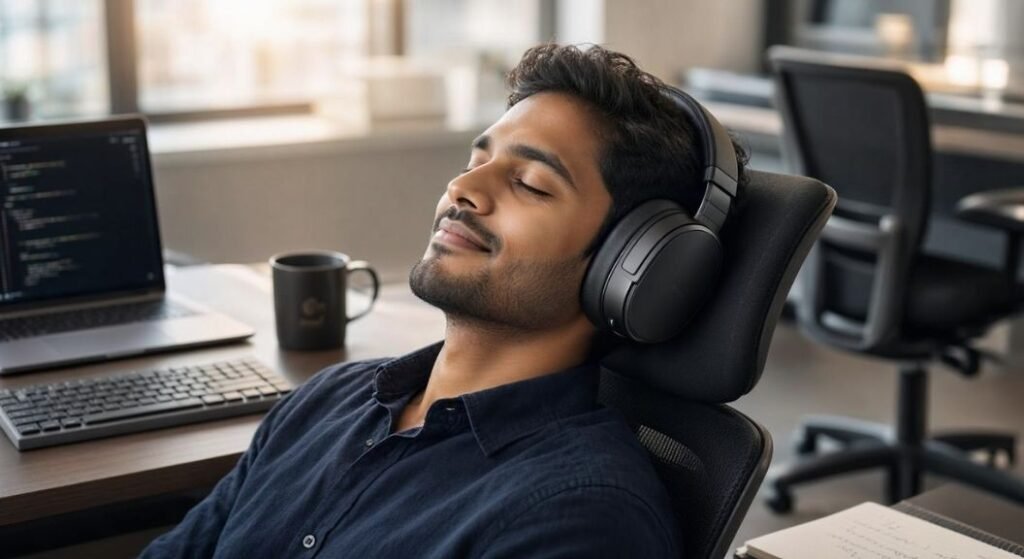
Use noise-canceling headphones during your scheduled breaks
You cannot always leave your busy desk when you feel overwhelmed. In these tough moments, you must put on noise-cancelling headphones. This simple tool blocks out distracting conversations and loud typing sounds.
Listening to soft instrumental music aids your auditory fatigue recovery rapidly. It creates a private, soothing bubble inside a chaotic public space. You protect your vital energy for your important tasks.
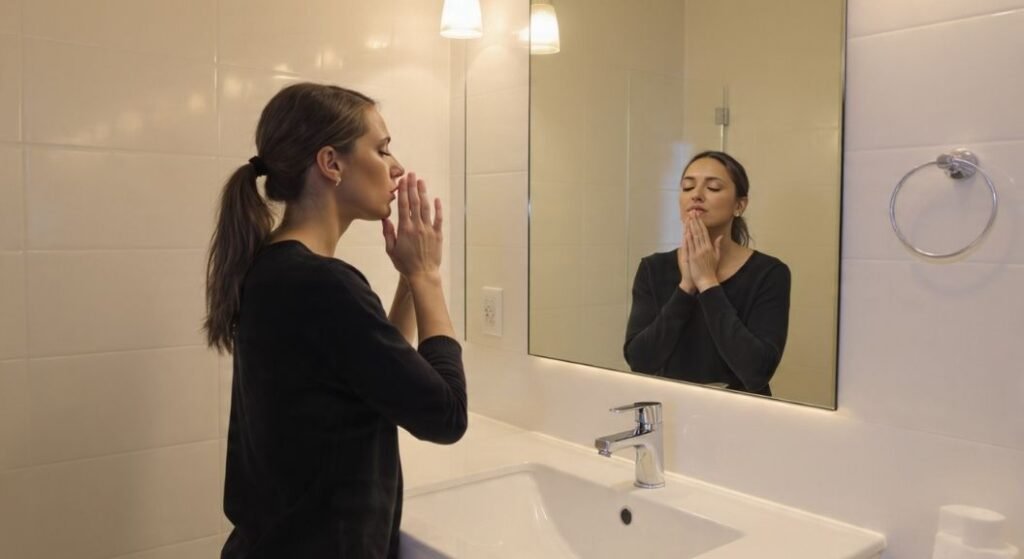
Practice the physiological sigh in a quiet restroom
Sometimes you need a room that is totally private so you can clear your head. Go to the bathroom and do the physiological sigh. Then inhale deeply twice through your nose and then exhale slowly through your mouth.
This breathing rhythm is like a magic reset button. To tell your brain it’s OK, you need to do deep breathing exercises. Instantly it calms your frenzied, racing heartbeat.
How to Use Sensory Deprivation to Recover Quickly From Over-Stimulating Environments
Every minute, your eyes process millions of points of visual input. If you’re tired, you want to lighten this heavy visual load. You have to dim the bright lights around you.
Proper silent space construction is the removal of as much input as feasible. Pull down the heavy curtains, and switch off your glowing computer screens. Rest your tired eyes in the soft, calming darkness.
This purposeful deprivation stops the deluge of overwhelming information. It gives your weary brain a much-needed break to catch up. You will feel your physical stress dissolve pretty quickly.

How to create a safe home space for daily sensory regulation
Your house should serve as your ultimate, peaceful sanctuary. You need a dedicated spot that offers soothing sensory input when you arrive. Choose a cozy corner that feels entirely safe and incredibly warm.
Stock this specific area with soft pillows and gentle lighting. According to Eurostat housing data, a comfortable home environment dramatically improves daily life satisfaction. Your physical space directly dictates your mental health.
Retreat to this safe haven immediately after a chaotic commute. Spend twenty minutes here before you start your evening chores. This clear boundary protects your personal peace of mind completely.
How to breathe properly to recover quickly from overstimulating environments
Breathing controls your entire bodily response to external stress. When panic hits, your breathing naturally becomes very shallow and fast. You must consciously slow down your breath to activate proper vagus nerve stimulation.
A detailed study from the National Institutes of Health (.gov) shows that slow breathing directly calms the sympathetic nervous system. This specific system controls your primal fight-or-flight survival response.
Inhale slowly for four seconds, and exhale for six seconds. This extended exhale tells your body that you are completely safe. You regain total emotional control in just a few short minutes.
7 Best tools to recover quickly from overstimulating environments
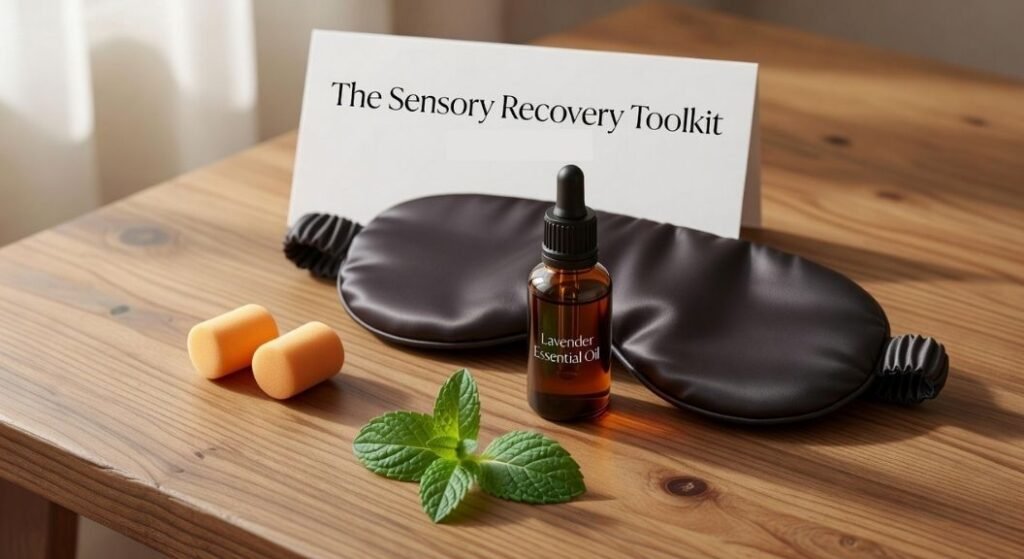
Having a personal recovery pack allows you to deal with abrupt stress smoothly. Seven great techniques you may use every day to attain serenity.
- Foam earplugs: Tiny earplugs rapidly cancel out harsh, uncomfortable background noise.
- Silk Eye Masks: Eye masks provide instant, soothing darkness wherever you are.
- Little fidget toys: These tactile objects give your fidgety hands something to focus on.
- Lavender essential oils: The calming aroma rapidly slows your pulse rate and rushing thoughts.
- Mint chewing gum: The repetitive motion of the jaw helps alleviate buried stress in the face.
- Dark sunglasses: The tinted lenses will protect your sensitive eyes from the strong fluorescent lights.
- Comfortable flat shoes: Soft shoes avoid painful physical distractions on long days.
5 Types of Sensory Overload Triggers to Avoid Every Day
You need to learn your own triggers so that you can avoid future burnout. 5 Common Environmental Hazards To Avoid When Possible For Your Mind
- Store lighting: The fluorescent lights induce bad eye strain and bad headaches.
- Overlapping talks. Too many people talking at the same time saturates your auditory processing centers.
- significant chemical odors: Strong fragrances and cleaning products can cause significant physical nausea in a very short time.
- Tight, crowded spaces: Being bumped into by strangers sets up your inherent protective survival instincts.
- Scratchy synthetics. Clothing tags are always stimulating your sense of touch in a very distracting way.

10 Reasons your brain takes hours to calm down after a busy event
Sometimes you leave a loud party, but you still feel totally wired. This frustrating delay happens for several fascinating biological reasons.
- High cortisol levels remain trapped in your bloodstream for hours.
- Your brain remains stuck in a high-alert hyperarousal state.
- Adrenaline continues pumping through your exhausted physical muscles.
- Your heart rate takes significant time to return to a normal rhythm.
- You keep replaying stressful conversations over in your busy mind.
- Your nervous system struggles to switch back to rest mode naturally.
- Bright screen exposure delays your necessary melatonin production entirely.
- Dehydration from the busy event thickens your blood and causes fatigue.
- Unprocessed heavy emotions linger quietly in your subconscious mind.
- You skipped your normal, grounding daily routines.
Stop doing this if you want to recover fast from overstimulating settings
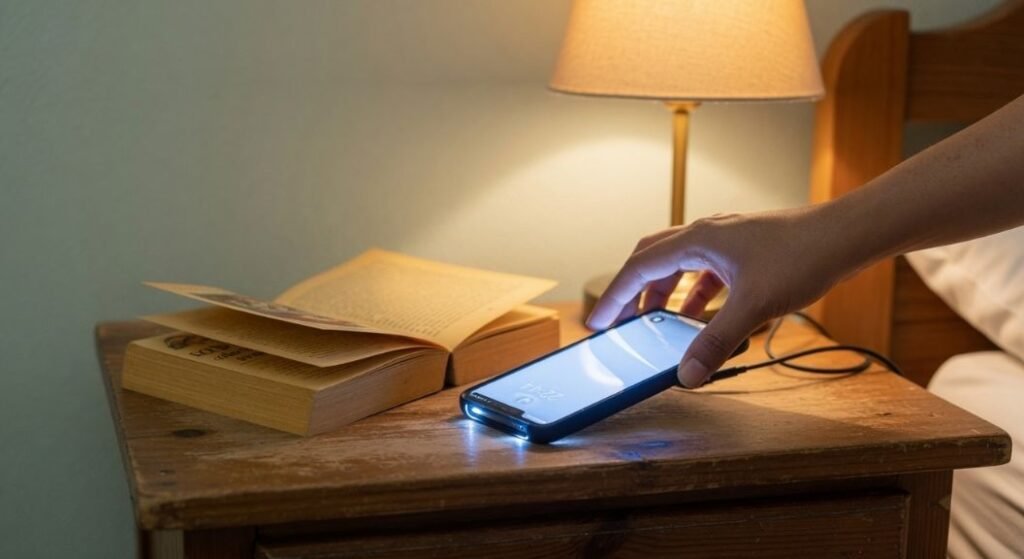
Stop reaching for your glowing smartphone right after a stressful event. Mindless scrolling floods your brain with even more useless information. It completely prevents your mind from processing the previous chaos.
Social media provides bright colors, fast videos, and loud sounds. This digital noise directly competes with your urgent need for silence. You must put the digital device away in a dark drawer.
Instead, choose a low-tech activity to ground your racing thoughts. Read a physical paperback book or gently stretch your tired muscles. Give your brain the quiet analog time it desperately craves.

Start using deep pressure therapy for immediate nervous system relief
Your skin contains thousands of sensitive pressure receptors. When you feel anxious, you can calm these nerves using firm, steady contact. You should use a heavy weighted blanket when you rest on the sofa.
This specific technique mimics the incredibly soothing feeling of a firm, warm hug. It provides excellent nervous system regulation without requiring any extra mental effort.
The heavy weight naturally increases your brain’s serotonin production. It physically forces your tense muscles to relax and sink. You will fall asleep much faster and stay asleep much longer.
Master your routines to recover quickly from overstimulating environments
Predictable daily routines create a strong sense of safety for your mind. When you know what happens next, your anxiety naturally drops. You build mental resilience against unexpected loud noises or crowded rooms.
Start your morning with a quiet 1-mile (1.6 km) walk outside. This gentle exercise sets a calm, highly stable tone for your day. You prepare your body to handle sudden external stressors much better.
Stick to a strict evening wind-down schedule every single night. Drink a warm cup of herbal tea, and read a quiet book. These consistent habits protect your precious mental energy effortlessly.

Unlock rapid calming techniques for intense sensory burnout
Sometimes you hit a wall and experience a total sensory crash. You need an immediate, powerful shock to break the panic cycle. You must drink a cold glass of water very quickly.
The sudden cold temperature creates a strong, grounding physical sensation. It forces your scattered brain to focus entirely on the present moment. You can also splash freezing water directly onto your warm face.
This action triggers the mammalian dive reflex biologically. It slows your rapid heart rate down almost instantly. You snap out of the overwhelming panic and regain your clear focus.
Remove tight clothing to recover quickly from overstimulating environments
Physical discomfort amplifies every other sensory trigger you encounter. A tight waistband makes a loud room feel completely unbearable. You must eliminate this unnecessary tactile stress from your tired body immediately.
Change into soft, loose sweatpants the moment you arrive back home. Take off your tight shoes and remove any heavy, restrictive jewelry. Freeing your physical body sends a powerful relaxation signal inward.
Prioritize incredibly comfortable fabrics like pure cotton or smooth bamboo. When your skin feels happy and unrestricted, your mind follows suit. You lower your overall daily stress burden significantly.
Why do introverts struggle so much with sudden loud noises?
Introverted brains literally process environmental stimuli differently than extroverted brains. A fascinating study published in PubMed highlights the realities of sensory processing sensitivity. Your brain absorbs more intricate details from your surroundings.
This deep processing means you reach your maximum capacity much faster. A sudden loud noise feels like a physical blow to your system. You are not weak; your biology simply absorbs more heavy information.
A prominent Harvard University (.edu) psychology paper confirms that sensitive individuals require more downtime. You simply need quiet time to empty your overflowing mental cup. Honor your unique biological limits without feeling any guilt.
What is the fastest way to recover quickly from overstimulating environments?
The absolute fastest method involves combining physical removal with deep breathing. First, you must physically leave the loud, bright space immediately. Second, you must regulate your frantic breath to signal safety.
Practicing these calming techniques for highly sensitive people changes your daily life. You stop fearing busy grocery stores and loud family gatherings. You know exactly how to protect your peace of mind.
We at Curious Mind Hub want you to thrive everywhere you go. Learn to read your body’s subtle early warning signs carefully. You can easily master your environment and protect your beautiful, sensitive energy.

FAQs:
How do adults get overstimulated?
It can be a physical panic, feeling like your heart is pounding, you are irritable, and you need to get out of your environment. Your brain simply can’t handle any more pictures, sounds, or emotional input.
How long does it take to recover from sensory overload?
The length of recovery varies greatly. A little overstimulation may be corrected by as little as twenty minutes’ peaceful repose. But sometimes it can take a few hours or a full day of sleep for your nervous system to totally reset from a bad sensory burnout.
How do you calm down from overstimulation the fastest?
The fastest way is to physically distance yourself from the loud place and do deep, calm breathing in a dark, quiet space. Cold water and noise-cancelling headphones are also instant nervous system alleviation.
Why Are Highly Sensitive People So Easily Overstimulated?
Highly sensitive people have a neurological system that naturally and much more thoroughly processes environmental data than typical. This biological difference implies their brain capacity to cope with loud noises and bright lights gets filled up much faster.
Can intense worry cause sensory overload?
Yes, persistent anxiety keeps your nervous system in a condition of perpetual arousal, so you are far more likely to be influenced by common sensory cues. When you are already stressed, normal background noise can quickly exceed the brain’s cognitive capabilities.