


Overcome financial anxiety that triggers your daily overspending.
Ever participated in a late-evening shopping trip and hit the last button at checkout feeling remorseful? Financial stress is something that millions of Americans and Europeans suffer from on a daily basis without being aware of it.
You can get out of this vicious cycle by understanding the real psychology behind your own daily purchases. Let’s dive into how to get your finances into a healthy place today.
How to Recognize the Hidden Roots of Financial Anxiety
Financial strain is more than just a low bank balance and rising debt. The same study, indexed on PubMed, reveals that monetary worry activates the same neural pathways as physical pain. The brain sees economic insecurity as a real life-or-death situation.
To see these roots means radical honesty with emotional patterns. Your financial wellness has to be evaluated without fear or doom or gloom. Once you grasp your nervous system’s fear of money, you can begin to develop genuine emotional resilience.
5 Signs That Financial Anxiety Is Driving Your Daily Overspending
Everyday spending can often be a cover for psychological distress, not for real physical needs. Let’s look at five different indicators that show how monetary panic responses shape the buying decisions of both American and European households every day:

1. Buying items you do not need to temporarily soothe a racing mind
Retail therapy is a shortcut for emotional fatigue. You buy things that you don’t need just to stop the inner chatter.
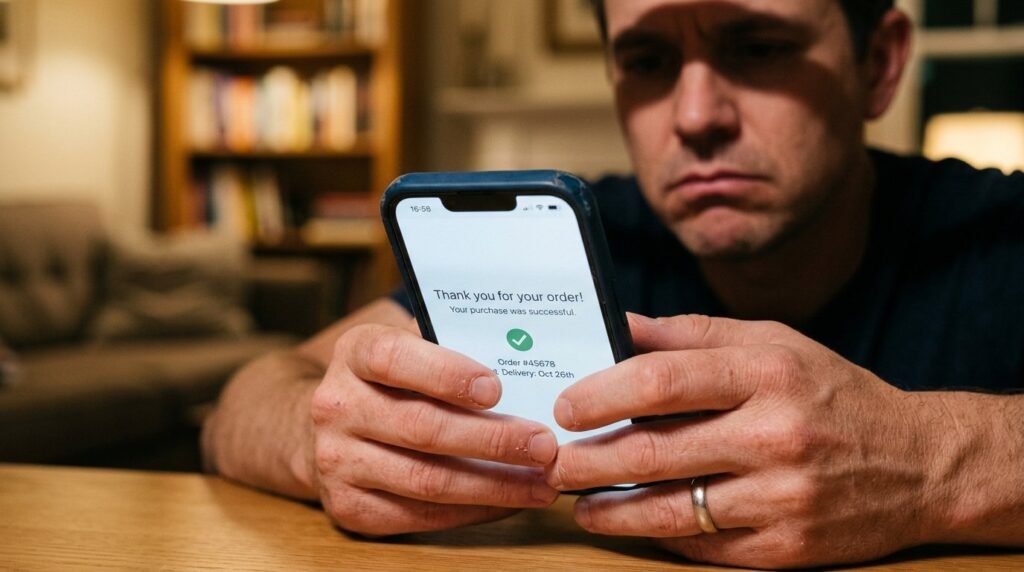
2. Experiencing immediate regret right after a checkout click
You feel a lot of remorse immediately after you’ve made a purchase. This emotional whiplash points to great differences between conscious goals and nervous system activation.
3. Avoiding checking bank balances due to overwhelming dread
If you are so afraid to check the bank accounts that you do not, you are on a cycle of silent panic. Ignorance is the safer path than facing numbers, even when reality is completely controllable.
4. Unused packaging found throughout living areas
Packaging is constantly received, but many items are unused and stored in closets. This behavior is a result of the fact that the object itself is not necessarily important but rather the act of acquiring the object.
5. Budgeting brings on sudden physical tension.
Your heart starts beating faster, and your tummy tightens up when you check out your monthly expenses. This physiological response is an indication of high stress levels in relation to budgets, which need to be addressed with subtle behavioral changes.
Stop Letting Financial Anxiety Dictate Your Impulse Purchases
Impulse buying is a costly plaster for deep emotional pain. As the economy becomes uncertain, your brain goes on a quest for instant gratification—via the shopping cart. All this autopilot activity must be cut off before your credit card takes a severe beating.
When sudden ideas of shopping come to mind, start to take deliberate breaks. Try to detach from your device for 20 minutes. This straightforward delay gives your prefrontal cortex a chance to take control of impulsive choices.
How to Map Your Emotional Spending Triggers Effectively
In order to track purchasing patterns, you need to do more than enter some numbers in a simple spreadsheet. The precise emotions behind each transaction that you make must be recorded. Teaching self-monitoring can significantly decrease emotional reactivity, according to Harvard University (.edu) behavioral research.
Have a notes app handy to take note of how you’re feeling before making an online purchase. Check in to see how you are feeling in terms of loneliness, boredom, and stress. Monitor emotional spending to identify the hidden drivers that affect your daily spending.

Why Does Evening Exhaustion Amplify Financial Anxiety and Spending Urges?
Cognitive energy and emotional strength are depleted in the evening. You spend a full day at work and on other duties and activities, and you run out of self-control. This is the same window of opportunity that online retailers take advantage of.
According to Eurostat and WHO Europe Health Insights in Europe, urban workers are feeling tired. This fatigue turns off your brain’s normal impulse control filters. When you realize that you’re at risk this way every night, you will be able to put your shopping apps away early.
Master Your Mindset by Reframing Everyday Money Stress
Every day, economic pressures affect your response to them, and financial narratives are shaping that response. Your nervous system is designed to take in what you tell it, so if you tell yourself that you are the worst with money, your nervous system registers it, and you are the worst with money. This shift in inner dialogue is a powerful shift in cognition.
Consider financial decisions by asking open-ended questions instead of making judgments. Be as kind as you would be with a close friend who is experiencing the same difficulties. A kind attitude creates long-term economic confidence.

4 Practical Ways to Soothe Financial Anxiety Before Opening Shopping Apps
Without physical and mental grounding tools, you just can’t end a spending binge. Let’s dive into four steps you can take to soothe your nervous system before you hit the buy button on any unneeded items on your devices:
- Drink a large glass of ice-cold water: This triggers your vagus nerve with a sudden temperature change and breaks panic loops on the spot.
- Get completely away from digital screens: Take the hypnotic trance off online marketplaces by getting physically away from your cell phone.
- Make a list of 3 things you truly appreciate: Remembering personal values takes your attention off the temporary stuff of consumerism.
- Do 2 minutes of slow breathing: Take a deep breath and then slowly exhale to reduce the elevated heart rate.
How to Separate Your Personal Self-Worth From Your Bank Account Balance
Today’s consumer society is constantly telling you to think of net worth as a measure of your worth. The purchase of luxury is a fleeting sense of status and worthiness. True dignity lies outside of whatever amounts are listed on your bank statements.
Tell yourself every day that your character, kindness, and resilience are more important than money. Discuss how self-worth is not the same as net worth and how that can help end the desperation that leads to impulse buys. You have value as a human being, which no economic downturn can take away.
Protect Your Peace From Financial Anxiety With Strict Mental Boundaries
The continual bombardment of social media feeds fosters a sense of financial inadequacy. Exhibits designed to evoke a lifestyle seem to make the brain think you’re lagging. Internal financial limits are crucial and need to be set proactively in order to resist the negative comparisons made online.
Unfollow accounts that make you feel like you’re missing out or that you need to buy more stuff. Guard your mental space as if you were guarding your physical space. When the mind is at peace, it makes much healthier financial decisions each and every day.
Are Your Late-Night Shopping Sprees Actually Masking Deeper Emotional Pain?
Late-night checkout sessions are not often the solution to the loneliness and anxiety that impel them. There are times when you are grieving, stressed, or bored, and you stuff it in your shopping cart. By exploring these emotional undercurrents, the underlying cause of overspending is addressed.
If a midnight impulse to go to the store for something comes up, ask yourself what you actually need. There are no material solutions in cardboard boxes that will satisfy emotional hunger. Take care of the emotional emptiness—rather than the retail therapy.

3 Grounding Techniques to Interrupt Financial Anxiety in Real Time
Somatic grounding practices can be used now when a money panic strikes your physical body. Let’s take a look at three simple exercises that can help you quickly get back into the here and now:
- 5-4-3-2-1 sensory method: Name 5 things you see, 4 things you can touch, 3 things you hear, 2 things you smell, and 1 thing you taste.
- Progressive muscle relaxation: Tighten and relax every muscle group, starting from your toes to your face, to get rid of stress.
- Firmly place feet: Place the soles of your feet flat on the floor and feel the solid ground under your feet.
How to Build an Accessible Self-Soothing Toolkit for Money Panic
With a toolkit on hand, you can avoid panic spending. Create a box (paper or electronic) of positive reminders, emergency budget plans, and comforters. Use this toolkit anytime financial stress begins to increase.
Practice soothing your nervous system with tools such as sensory fidgets or playlists. These proactive strategies shape your approach to dealing with monetary emergencies. Your feet pass, and you learn how to control your emotions.

Overhaul Your Digital Wallet to Minimize Financial Anxiety Triggers
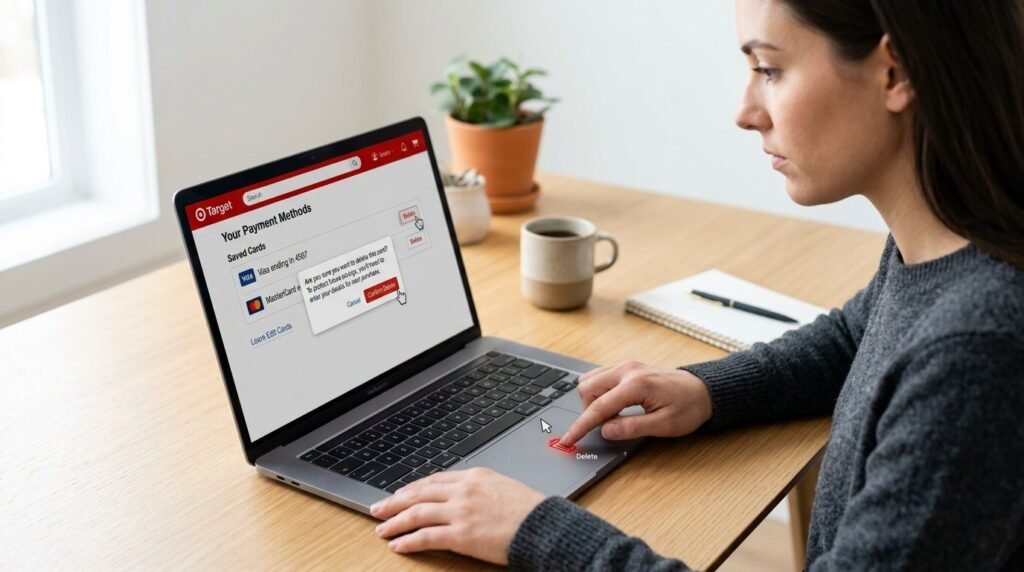
With one-click digital checkouts, today’s consumers risk overspending in an almost frictionless way. Any friction steps that will keep customers from using their saved credit card information through browser autofill will be a crucial hurdle. The added half minute of manual typing gives your brain time to think again.
Remove shopping apps from the home screen of your phone to make it less tempting. When you cannot see it, you can’t think about it when you’re dealing with the tendency to compulsively spend. Get in control of the digital world so you can secure your future savings.
Reclaim Long-Term Peace by Healing Your Financial Anxiety for Good
The process of healing your money-loving relationship can take some time, and it comes with patience and self-compassion. Reward yourself for each success in stopping an impulse buy. You’re taking steps that will help you secure your future.
The definition of financial wellness is feeling calm, grounded, and confident in spite of financial news! Take this journey of ongoing personal development and emotional liberation. The road to financial peace begins with one conscious breath.

Frequently Asked Questions
Why do I overspend when I feel anxious?
Retail therapy is a quick dopamine hit that makes your brain feel instantly better, which can alleviate emotional fatigue.
How can I stop emotional spending caused by stress?
Make it a rule to wait 24 hours before buying anything that’s not a necessity, and map out all emotional reasons to buy.
What are some of the common indicators of financial stress?
You may notice that you skip your mail and bank statements, that you dread looking at your bills, and that when you look at your budget, you get physical stress.
What to do if buyer’s remorse sets in post-buy?
Be kind to yourself, understand that you were engaged in a stress response and not a failure, and reconnect to healthier ways of soothing yourself.
Is it possible for money stress to manifest itself physically?
Yes, constant monetary concerns activate your nervous system, often causing insomnia, stress headaches, and increased heart rate.