

5 Spatial Wellness Hacks to Reduce Stress
Have you ever walked into a cluttered room and immediately felt your chest tighten? Your brain reacts directly to the world around you. Dark, cluttered places drain your energy, while bright, balanced settings restore your weary mind.
At Curious Mind Hub, we explore how our physical spaces impact our inner world. By making small, intentional changes to your home, you can build a private sanctuary that profoundly improves your mental health. You don’t need an expensive interior designer to find peace. Let’s look at the psychology of your everyday environment and discover how to transform your chaotic house into a tranquil haven.
How Does Your Environment Impact Your Daily Mental Health?
Your brain continually scans every space for safety or concealed threats. A cluttered, chaotic room sends frequent stress signals to your sensitive nervous system, leading to cognitive fatigue over time.
Loud, congested surroundings can significantly raise human stress hormones, according to a study from the National Institutes of Health. Your environment has a direct link to your energy levels and daily mood. To thrive, you must practice conscious regulation of your physical surroundings; you cannot repair your mind in the same environment that continuously breaks it down.
Spatial Wellness Hacks for Dealing with Daily Anxiety
You don’t need a massive budget to organize your home. Simple environmental improvements yield tremendous outcomes for daily mental clarity. First, identify the most stressful room in your house. If a cramped, dark space makes you apprehensive every morning, start there to break the daily panic cycle.
Master Your Lighting
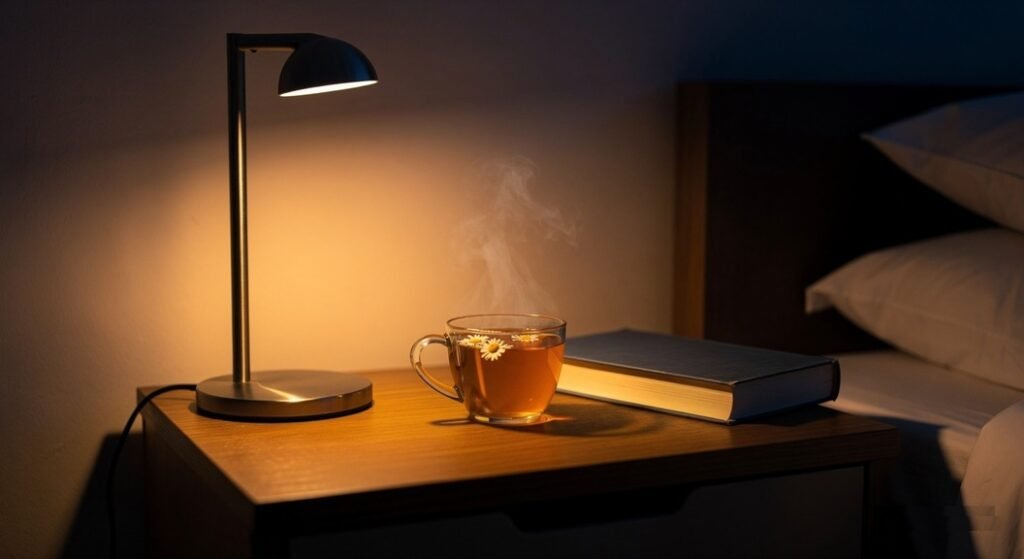
Harsh overhead fluorescent lights disrupt deep focus and can cause tension headaches. Your brain prefers soft, warm light during the calm evening hours, which signals your tired body that it is time to sleep.
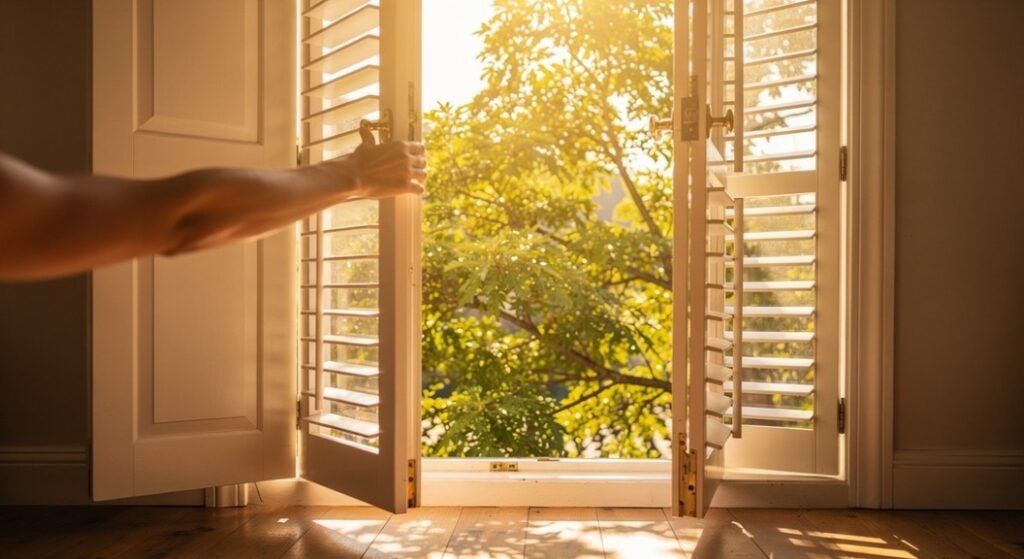
In the morning, introduce natural light. Pull back the thick drapes and let the sunlight in. A detailed study from Cornell University highlights that natural daylight greatly improves human well-being and enhances day-to-day moods.
5 Simple Spatial Wellness Hacks To De-Stress At Home
A few brilliant psychological tactics can completely change your daily existence. Here are five low-lift, high-reward methods to make your home a considerably more peaceful place:
- Designate zones: Establish clear spots for rest and distinct areas for intense work.
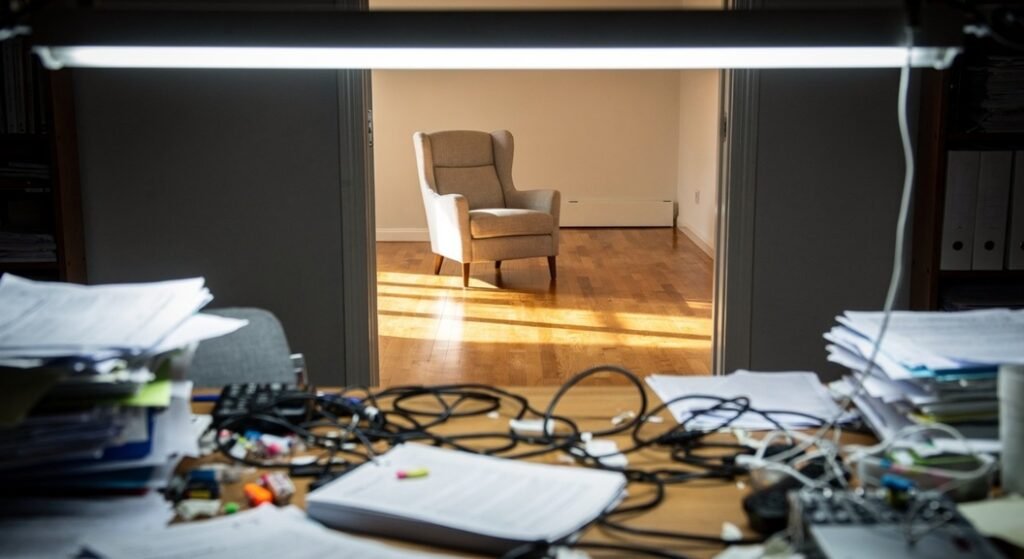
- Hide your cables: Instantly decrease visual clutter by tucking away untidy electronic cords.
- Regulate the temperature: Keep your rooms around 68°F (20°C) for optimal physical comfort.
- Add soft floor textures: Incorporate soft rugs to reduce harsh room echoes and frigid noises.
- Use soothing colors: Paint major walls in soft blues or mellow, earthy greens.
Optimize Your Bedroom for Low-Stress Living
Your bedroom should be your ultimate daily recovery zone. Your brain has little chance to relax if your bed faces a cluttered wardrobe. Rearrange your furniture to create a clear, tranquil line of sight.
Place your bed so you can easily view the main door. Psychologists call this the “command posture,” which naturally reduces subconscious worry and allows for profound nervous system regulation as you sleep.
End Visual Clutter
Every random object on your kitchen counter demands valuable mental attention. Unpaid mail and dirty dishes drain your daily vitality. Clear up the visual clutter today so your weary brain can take a much-needed break.
Tackle decluttering methodically by working on a single drawer or bookshelf at a time. This simple routine significantly reduces cognitive load and provides rapid mental comfort.
10 Micro-Habits to De-Stress Your Room Instantly
Small, everyday efforts keep your personal environment fresh, clean, and calm. Consistency is better than an exhausting weekend cleaning marathon. Incorporate these ten micro-habits to instantly lower stress:
- Make your bed: Begin your morning with a quick, visually rewarding win.
- Open a window: Let in fresh air for 10 minutes every day.
- Clean your desk: Put away pens and papers when you finish work.
- Clear the counters: Ensure kitchen surfaces are clean before bed.
- Fluff your pillows: Restore comfort to your main living room seating.
- Empty the trash: Remove garbage before unpleasant smells linger.
- Close wardrobe doors: Hide internal garment messes.
- Dim evening lights: Turn on warm table lamps just after dusk.
- Put shoes away: Keep your main entryway clean and inviting.
- Reset the room: Spend five minutes straightening up before going to sleep.
How Spatial Wellness Enhances Workplace Autonomy
Employees thrive when they can control their own work environments. Rigid, drab cubicles can stifle creativity and increase daily dissatisfaction. Good office space optimization allows workers the freedom to adapt their own desks.
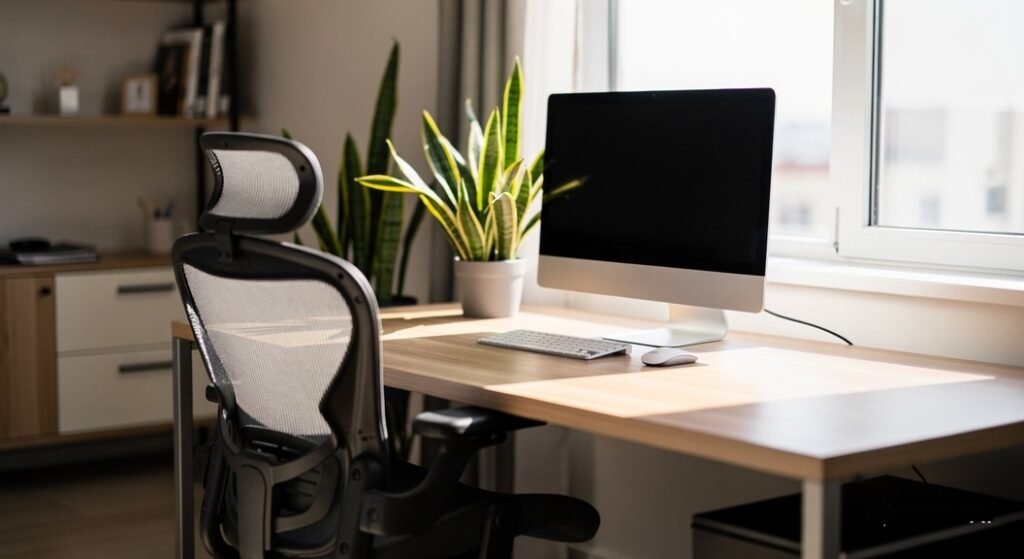
An analysis from Eurostat shows that workplace autonomy improves the health of the average European worker. Being able to adjust your chair height or desk lighting reduces tension, making the workday considerably smoother and more pleasant.
Build Strong Boundaries in Your Home
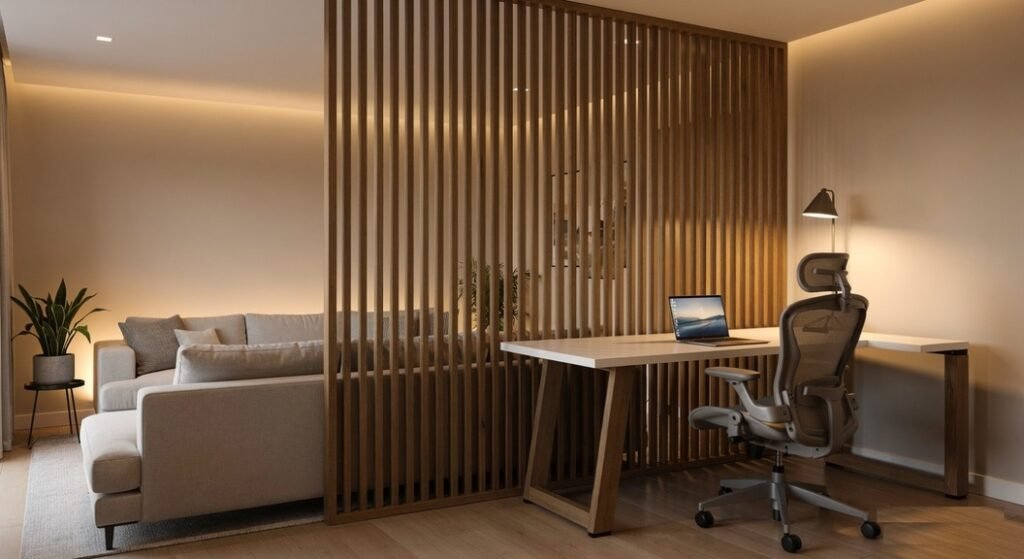
In modern open floor plans, the lines between work and rest often blur. You might find yourself answering tense emails from the comfort of your living room couch. You must create a calm zone designated strictly for pure relaxation.
Use physical room separators, like tall bookcases or large indoor plants, to create distinct spaces. This powerful visual cue tells your brain it is time to shift gears, dramatically lowering cortisol levels every night.
Are Hidden Layout Errors Harming Your Spatial Wellness?
Sometimes a space feels wrong even after deep cleaning. A common mistake is pushing all living room furniture flush against the walls. Pull your couches in slightly to create a cozier, more welcoming area for conversation.
Another frequent design error is obstructing natural walkways. You should never have to dodge heavy tables when walking across a room. Smooth navigation is essential to sustaining a truly tranquil, stress-free environment.
6 Sensory Room Design Concepts
Your body experiences physical environments through multiple senses simultaneously. Smart sensory room design caters to all underlying bodily demands. Try these six sensory activities at home:
- Use thick blankets: Weighted items provide deep, soothing physical pressure therapy.
- Install light dimmers: Adjust the exact level of light to suit your changing energy levels.
- Play white noise: Use gentle background sounds to drown out harsh city traffic.
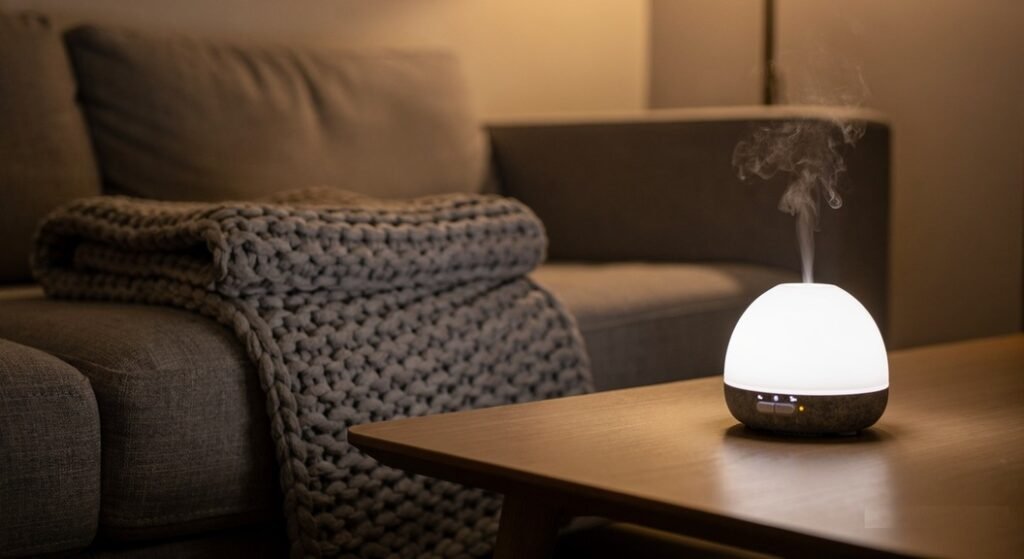
- Release calming scents: Diffuse lavender essential oil to promote deep, restful sleep.
- Add plush floor cushions: Create cozy, grounded seating options.
- Hang peaceful art: Opt for serene nature scenes over fast-paced abstract art.
Make Biophilic Design Your Primary Spatial Wellness Hack
Biologically, humans are deeply connected to the natural world. In many modern indoor environments, this relationship is severed, leading to persistent background stress. Leverage biophilic design principles to bring the healing power of nature indoors.
An environmental study published in PubMed shows that rooms designed to mimic nature actively help lower blood pressure. Here are three concrete ways to achieve this today.
Bring in Houseplants to Purify the Air
Houseplants do more than look lovely on a shelf; they actively clean stuffy indoor air. Plants filter out damaging environmental contaminants while boosting your mood. Snake plants and peace lilies are incredibly easy to keep alive. Place them near your computer monitor to help decrease digital eye strain.
Use Natural Daylight to Reset Your Circadian Rhythm
Your body depends heavily on the sun for sleep regulation. Blocking natural light disrupts your sensitive biological clock. Open your window shades wide during the morning to let in bright sunshine, which will help you sleep considerably better at night. If possible, move your workspace near a bright, sunny window.
Use Natural Textures to Relax Your Nervous System
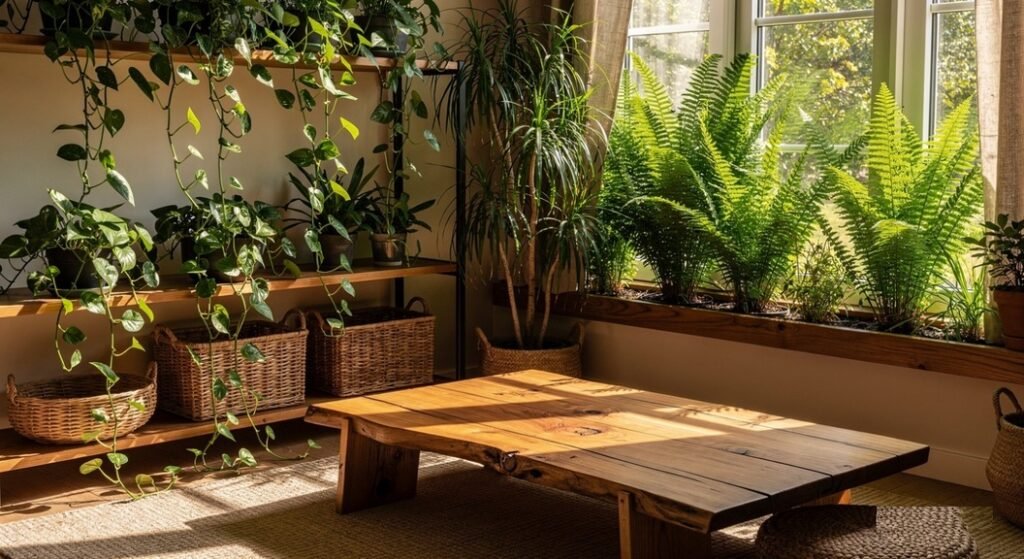
Synthetic plastic materials often feel cold and sterile, contributing to unseen background tension. Instead, introduce real, natural materials into your living spaces. Raw wood coffee tables, braided wicker baskets, and soft linen drapes instantly settle restless thoughts, making your home feel warmer, safer, and deeply inviting.
5 Senses Stress Relief: A Comprehensive Approach
True spatial wellness integrates sight, hearing, touch, smell, and taste. A gorgeous room fails if it sounds echoey or smells unpleasant. You must engage all five senses for absolute mental serenity.
Play soft acoustic music while baking fresh bread to create a beautifully reassuring, multi-sensory experience. This transforms your physical home into a holistic haven that actively heals everyday fatigue.
Start Your Journey to Stress Relief Today
You do not have to overhaul your entire house at once. Choose one simple strategy from this guide to attempt today. Even small modifications can have a significant positive effect on your daily mental well-being.
At Curious Mind Hub, we believe your home should be a truly supportive space. Start by opening a window or clearing your crowded work desk, and use these smart spatial wellness hacks to create the quiet, healthy life you deserve.
Frequently Asked Questions (FAQs)
1. What is spatial wellness?
Spatial wellness is the conscious design of your physical surroundings to actively promote your mental, emotional, and physical health. It utilizes natural lighting, smart layout design, and elements of nature to create a highly restorative space.
2. How does your physical environment affect your mental health?
In a chaotic, poorly lit space, your sensitive nervous system remains in a constant state of stress, causing spikes in cortisol levels. Conversely, a clean, well-designed space greatly reduces cognitive load and encourages rapid relaxation.
3. How do I de-stress my room?
Reducing visual clutter, switching to pleasant ambient lighting, and opening your curtains to maximize natural sunshine will instantly reduce room stress. Adding indoor plants and soft textures also helps ground your anxious energy quickly.
4. Why does visual congestion make us feel anxious?
Clutter bombards your brain with excessive visual stimulation, forcing your mind to work overtime trying to decipher the chaotic environment. This constant mental overload saps your energy and prevents you from relaxing entirely.
5. What colors naturally calm you down?
Soft, calm colors like muted blues, soothing greens, and earthy neutrals naturally lower your heart rate and ease tension. Bright, aggressive colors like harsh reds can overstimulate a tired brain, so it is best to avoid them in spaces meant for rest.