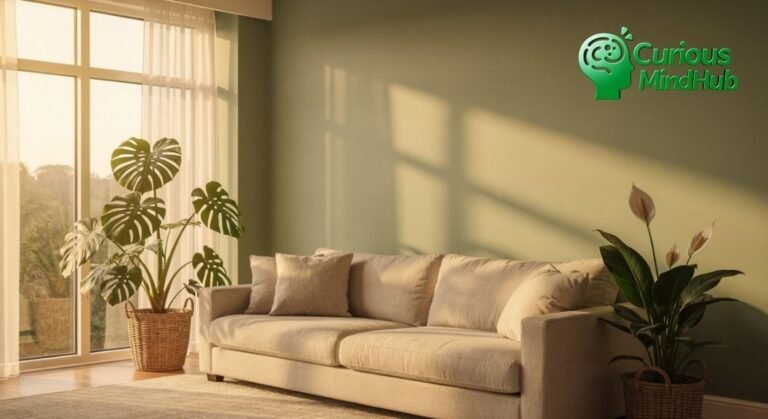

How to use spatial wellness for anxiety
You walk through your front door after a hard, tiring day. And your chest is tense instead of feeling instantly relieved. Your home is supposed to be a total sanctuary. But shoes akimbo, harsh lighting can induce covert stress.
Picture walking into a room that immediately relaxes your nervous system. You can create this tranquil hideaway today. Let’s take a look at how to employ spatial wellness for anxiety to completely change the way you live. At Curious Mind Hub, we think your house should heal you, not damage you.
How to use spatial wellness for anxiety in your bedroom
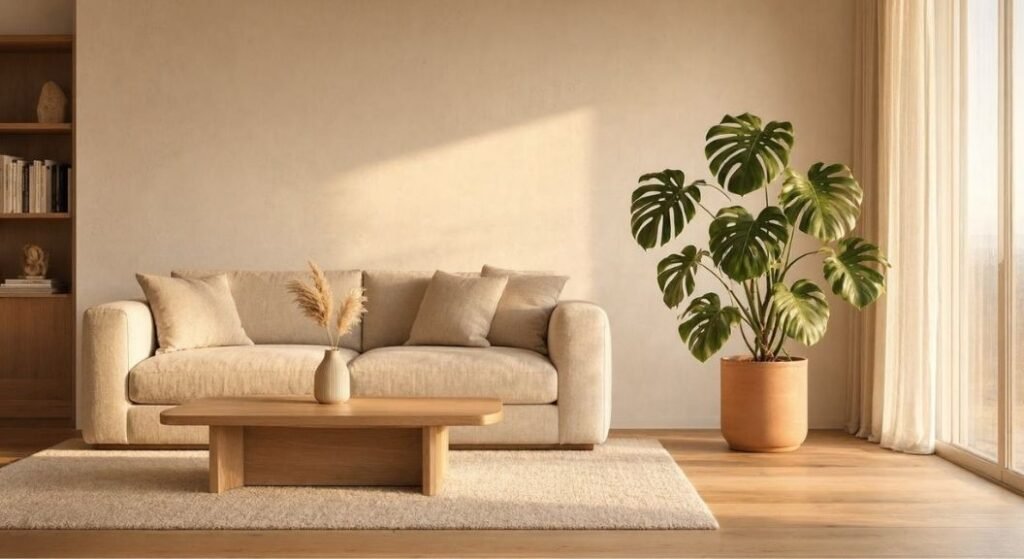
Your bedroom serves as your ultimate retreat from the busy world. Proper environmental psychology design changes how your brain processes this space. You need a room that signals absolute safety and deep rest.
The National Institutes of Health (.gov) notes that poor sleep environments directly elevate your daily stress hormones. We must address the physical layout of your sleeping quarters. Every single object matters.
Optimize your bed placement for deep sleep
Place your bed opposite the main door if possible. This specific spatial arrangement gives you a clear view of the entire room. Psychologists call this the command position, which lowers your subconscious fear.
Avoid placing your headboard against a shared wall with noisy neighbors or loud street traffic. You need to create a quiet corner for true, uninterrupted rest. This simple shift creates a powerful physiological response.
Choose calming textures for spatial wellness for anxiety
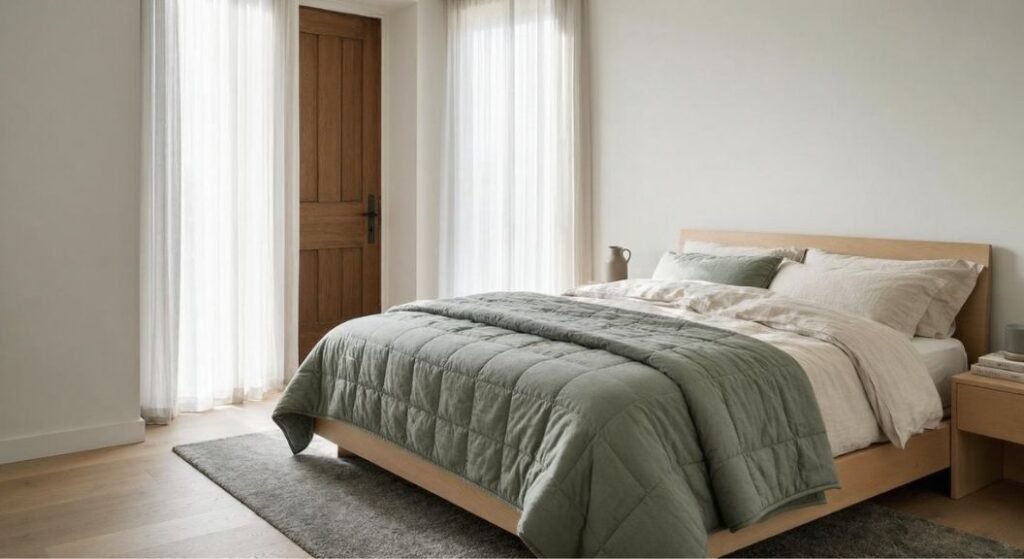
Soft fabrics physically soothe your skin and calm your racing mind. Heavy linen curtains and plush wool rugs absorb harsh sounds perfectly. These calming home aesthetics make the room feel much warmer.
Invest in a heavily weighted blanket to ground your body at night. The gentle pressure mimics a warm, comforting hug. This tactile feedback promotes massive cortisol reduction naturally while you sleep.
Remove electronic distractions before bedtime
Flashing router lights and glowing television screens disrupt your natural sleep cycle. They trick your brain into thinking it is still daytime. You must eliminate this digital interference.
Take a moment today to remove all unnecessary screens from your bedroom. Use a basic alarm clock instead of your glowing smartphone. This clear physical boundary protects your fragile peace of mind.
How to reduce visual noise and improve spatial wellness for anxiety
Visual noise includes anything that distracts your eyes unnecessarily. A pile of mail or tangled cables demands your constant attention. This hidden chaos increases your daily cognitive load significantly.
A recent study from Princeton University (.edu) confirms that visual clutter severely limits your brain’s processing capacity. You feel exhausted without even moving. You must remove visual clutter to breathe easier.
Hide your daily necessities inside decorative baskets or closed cabinets. Keep your flat surfaces completely clear of random junk. A clean line of sight immediately calms a racing, anxious mind.
How to arrange furniture properly to soothe your nervous system
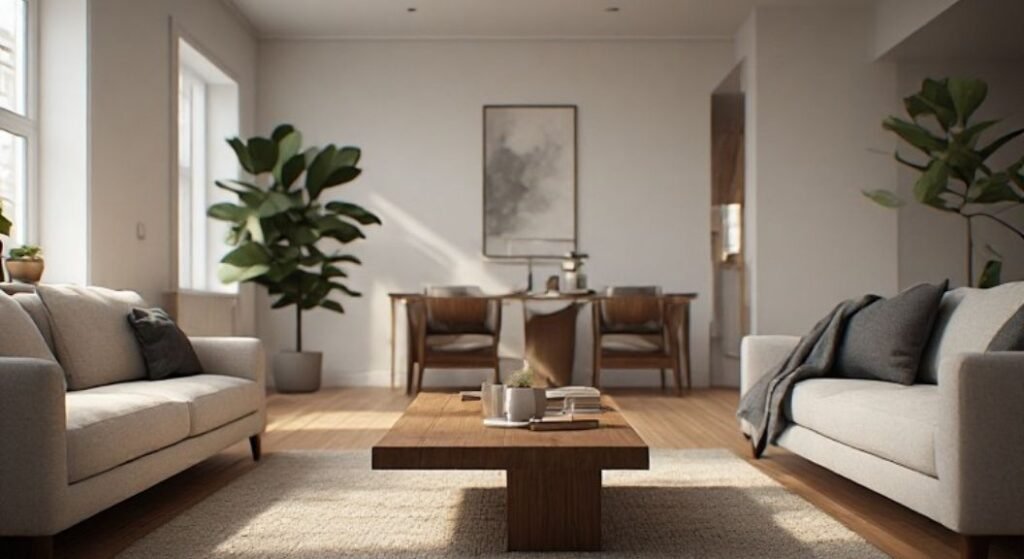
Furniture pushed tightly together creates a strong feeling of physical restriction. You need clear pathways to walk through your home easily. It is time to rearrange your furniture for better flow thoughtfully.
Keep at least 3 feet (0.9 meters) of walking space between major furniture pieces. This gives you plenty of physical breathing room. Open spaces signal pure freedom and safety to your sensitive brain.
Group your seating arrangements to encourage warm, intimate conversations. Do not point every chair directly at the television set. Facing each other builds human connection and lowers underlying social anxiety.
How to use spatial wellness for anxiety when working from home
When you work remotely, the fine line between leisure and work is blurred. Working at your kitchen table often kills your hunger and your concentration. You need distinct physical boundaries for mental thriving.
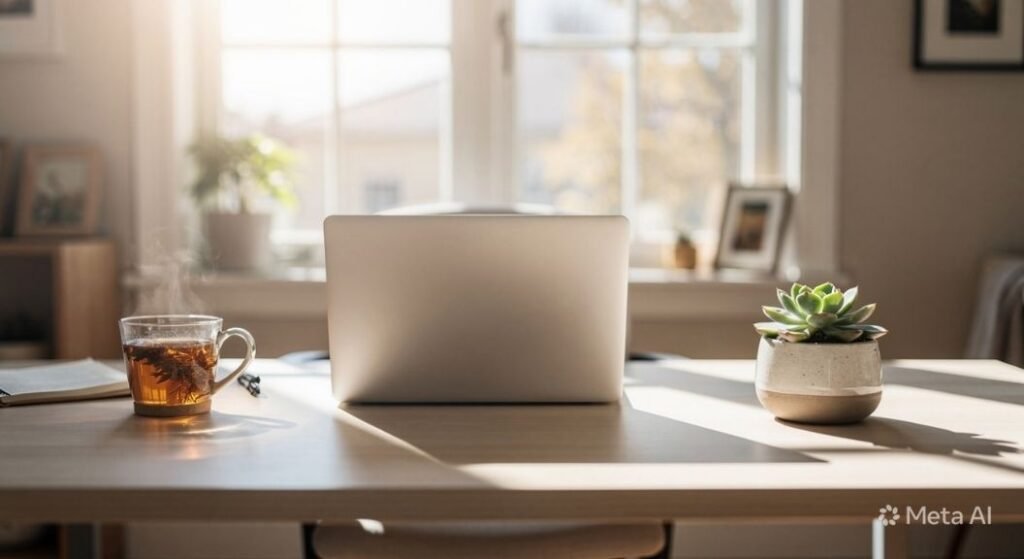
Place your desk near a sunny window to benefit from the natural light during the day. Sunlight from nature helps control your mood and energy levels every day. It stops the afternoon slump that brings on abrupt tension.
A separate workstation also is necessary to ward against major occupational burnout, says WHO Europe. At the end of the work day, close your laptop and go. Leave your work worries at the desk.
7 Best Room Designs for Spatial Well-Being for anxiety
- A smart floor plan is like a soft guidance to your everyday routine. These are seven particular arrangements that allow deep healing and comfort.
- The Circular Flow: Place your furnishings in a gentle circle to encourage equitable discourse and connection.
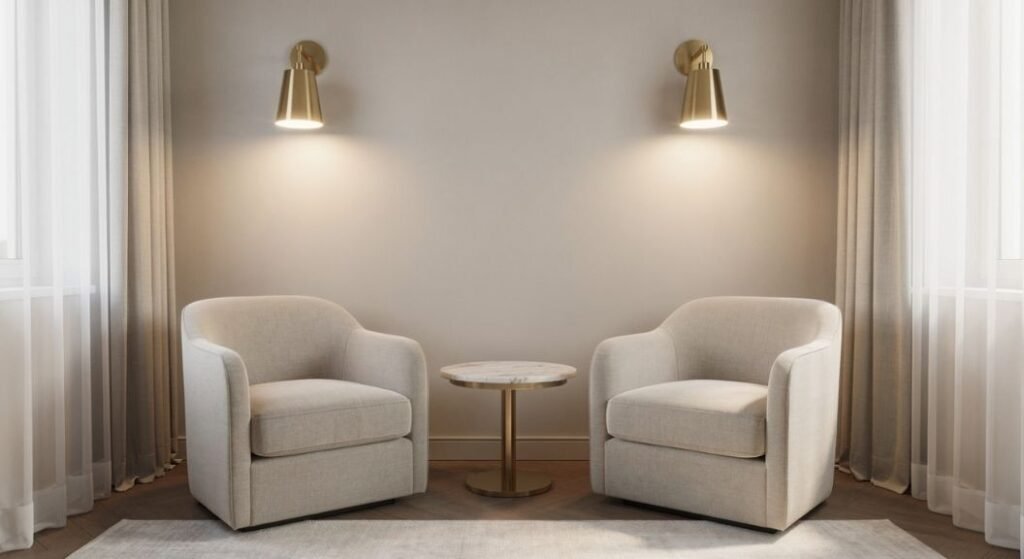
- The Symmetrical Balance: Place identical lamps on either side of the sofa for visual balance.
- The Zoned Studio: Break up a vast room into smaller spaces with open bookshelves, each with a different function.
- The Window Anchor: Orient your main seating area towards a nice external vista.
- The Minimalist Grid: Essentials only, arranged in crisp straight lines.
- The Corner Sanctuary: Hide away in a corner (but not too far, so you can still be social) with a comfy reading chair.
- The Floating Center: Move the sofas away from the walls, and suddenly the room is considerably bigger.
5 Types of lighting that ruin your calm environment
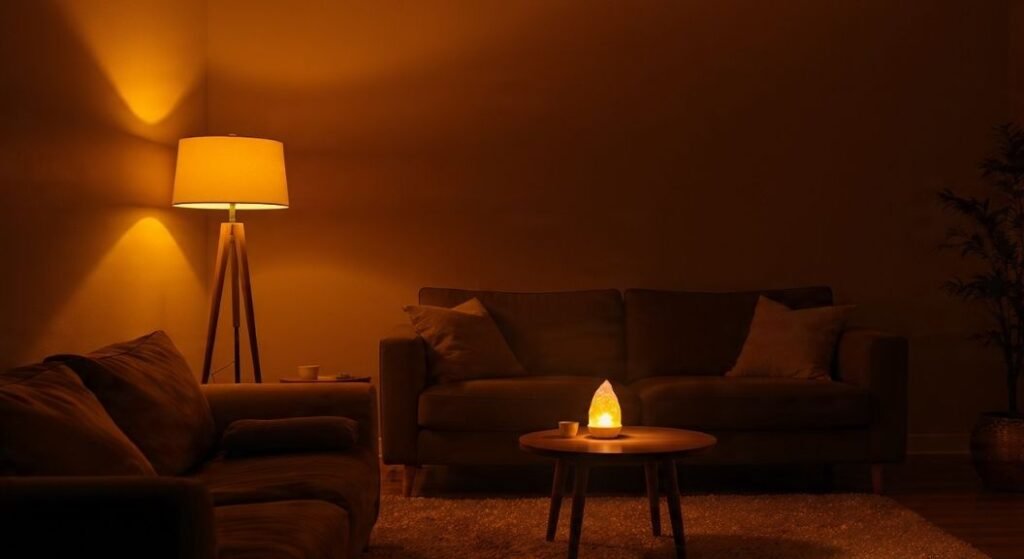
Harsh lighting ruins the tranquility of your home space. You need to prioritize good circadian lighting that mimics the natural sun. Avoid these five lighting errors and safeguard your daily mood.
- Overhead Fluorescents: These create harsh blue light that leads to instant headaches and deep stress.
- Single Light Sources: One bright bulb creates harsh, unpleasant shadows in the space.
- Exposed Bulbs: Exposed light bulbs cause serious eye strain and general visual tiredness.
- Cool White LEDs: These sterile lights make your comfy living room feel like a hospital ward.
- Flickering Fixtures: Even a slight flicker sets your nervous system on high alert.
10 Reasons Your Space Is Causing You Daily Stress
- Sometimes we miss the hidden hazards in our own homes. You may not recognize why you’re feeling so extremely tight. Let’s see who’s stealing your delight.
- Stale Air: No fresh airflow makes you feel sluggish and thoroughly stuck.
- Harsh Colors: Your sensitive visual receptors get overstimulated by bright neon walls.
- Broken Items Looking at items that need to be repaired is mentally exhausting.
- Loud Echoes: Stressful noise bounces around the room constantly on hard floors with no rugs.
- Tight Spaces: When you have to squeeze past bulky furniture, you feel physically constrained.
- Temperature Swings A room that’s too hot or too cold won’t allow you to really relax.
- Bad Smells Leftover trash or pet odors put your brain on edge.
- Too Much Tech: Glowing screens everywhere keep your mind from going out.
- Lack of Nature: No plants or natural materials make a place feel entirely dead.
- Bad Boundaries: Your bedroom should not be your home office because it messes up your sleep at night.
Stop Doing This to Your Living Room to Master Spatial Wellness for Anxiety
Stop turning your living area into one gigantic dirty storage box. Pile up old magazines and useless workout equipment in the corner and you have instant terror. Your brain considers every item an open loop.
A new survey published on PubMed found a direct correlation between disorganized living conditions and severe depressive symptoms. You must take back your primary place of rest. A clean floor helps calm your mind.
Also, regulate the room temperature adequately for your best comfort. Keep your living space between 68-72°F (20-22°C). A cool, comfy atmosphere can be a good way to lower68 and 72°Fe(20 and 22°C).t rate.
Begin Harnessing Biophilic Design for Maximum Spatial Wellness for Anxiety
Nature heals the human mind at a crazy quick rate. Biophilic design elements bring the outdoor world inside your living area. Humans are genetically programmed to feel comfortable in the company of living plants.
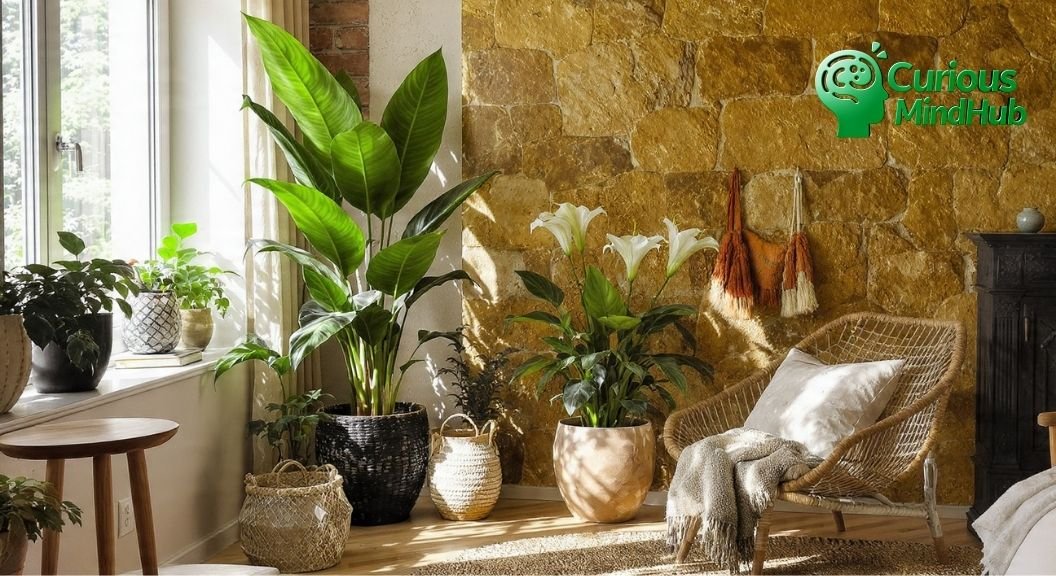
You should actively include indoor plants such as snake plants or soft peace lilies. These hardy plants purify interior air while giving rich, verdant views. They are fairly low maintenance to thrive in.
Use furnishings made from natural elements such as rich wood, cold stone, and woven bamboo. These organic textures are so grounding for your frenetic energy. They make your brain remember the still forest—
Unlock the Healing Power of Colors in Your Home
Color psychology is a legitimate science and it will affect your day-to-day mood Painting your bedroom a deep blood red will likely keep you awake at night. To attain real tranquility, you need soft, muted tones.
Use earthy greens, light blues, and warm beige in your main living areas. These hues are so soft, they naturally reduce your blood pressure. They provide a quiet background, not demanding your attention.
If you enjoy bright colors, utilize them only as minor accents. A bright yellow throw cushion can lift your spirits without becoming overbearing. Beautiful, conscientious design has a secret ingredient. It’s balance.
Take Back Your Peace of Mind and Control Your Surroundings
You have the amazing power to influence your everyday environment. Using basic neuroarchitecture principles gives you your control back. Your home should be beneficial to your mental health, not detrimental.
Start small by only doing one area today. Create a personal space that is safe, warm and super appealing. You deserve a niwarm,aven where you can really breathe.
Remember, perfection is never the genuine goal here. The idea is to design an environment that fits your specific demands. Trust your gut, and create a space that feels good.
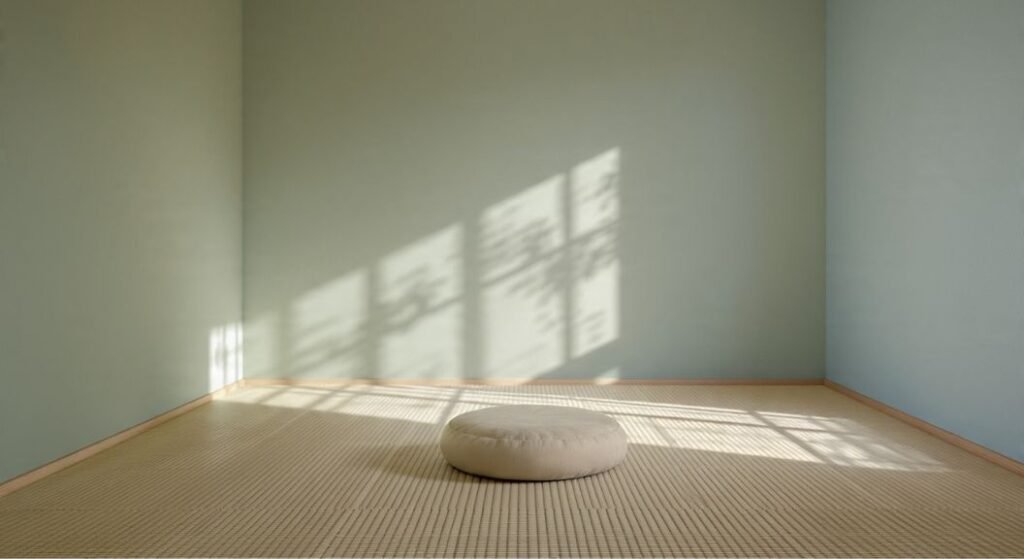
Remove Clutter to Instantly Boost Spatial Wellness for Anxiety
Physical messes directly reflect emotional baggage. If you keep useless things, you keep the stress of the past. Gentle decluttering for mental health provides instant, practical relief.
Just 15 minutes every evening clearing off your kitchen counters. It feels so good to wake up to a clean kitchen. It sets the tone for the day. It is a little gift to yourself in the future.
Eurostat data states that home quality is a strong driver of overall life satisfaction in the EU. A clean home is one of the key pillars of a happy existence. Today, shed the bodily excess.
What’s the link between room design and mental health?
Your brain is always scanning your environment for potential threats. Your old survival instincts tell you danger is in a dark, tight space. Light, open space equals total safety and total freedom.
The CDC states that your psychological well-being is greatly affected by your physical environment. Good design reduces your pulse and calms your respiration. This is preventative mental healthcare.
Why is spatial wellness for anxiety becoming so popular?
People are beginning to realize that self-care isn’t only bubble baths. We live indoors for more than 80 percent of our lives. Sensory room ideas are no longer just a fleeting internet trend.
We live in a rapid, very chaotic modern environment. A tranquil household is the greatest act of self-preservation. You may protect your energy by intentionally creating your personal space.
FAQs:
What does spatial wellness mean?
Spatial health is the intentional creation of your physical space to deliberately promote your mental, emotional, and physiological well-being.
How are mental health and room design connected?
A messy or confined room arrangement increases your brain’s cognitive burden and stress hormones. An open, orderly area promotes safety for your nervous system.
Best colors for the room to help with anxiety?
Soft earthy tones such as soft greens, muted blues, and warm beiges naturally reduce your resting heart rate and produce a genuinely peaceful environment.
How can I make my bedroom a more relaxing space?
You can instantly quiet your bedroom by removing technological screens, using soft tactile textures, and placing your bed so you can clearly see the door.
Why does physical clutter produce such anxiety?
Clutter is visual noise that is always distracting your eyes from their intended target. It’s a visible reminder of incomplete chores that swiftly depletes your mental energy.