


How to Calm Your Nervous System with Sensory Grounding Techniques
Have you ever felt like your head is going a million miles a minute but your body is absolutely frozen? This overwhelming emotion comes when your body goes into a state of chronic stress. You can’t rationalize your way out of an all-consuming physical reaction. Imagine being able to flick a switch, and that internal pandemonium shuts off. With established sensory grounding techniques, you can take back control of your frenzied mind. Let’s see how these easy techniques can literally change your life and give you instant tranquility that lasts.

What Happens When Your Nervous System Needs Sensory Grounding Techniques?
When stress hits hard, your sympathetic nervous system takes complete control of your physical body. Your heart beats much faster, and your breathing becomes very shallow. This ancient survival mechanism tries to protect you from perceived danger. Unfortunately, it often overreacts to modern daily annoyances, like crowded email or slow traffic.
If this stress loop continues endlessly, you experience severe emotional dysregulation. Your brain floods your body with harsh stress hormones, making clear thinking completely impossible. You might feel panicked, detached, or incredibly overwhelmed by normal daily tasks. Your physical body urgently needs a clear, strong signal that you are actually safe.
This is exactly where effective nervous system regulation becomes essential for your mental health. You must physically interrupt the terrible panic loop using your basic, natural senses. By focusing intently on tangible physical sensations, you force your brain back into the present moment. This immediately stops the endless cycle of anxious thoughts.
How Sensory Grounding Techniques Instantly Interrupt the Stress Cycle
Think of your anxious brain like a massive, speeding train with no working brakes. You cannot stop it by standing in front and yelling loudly. Instead, you must safely divert the train onto a much calmer, quieter track. Physical grounding therapy acts exactly like that essential track switch for your racing mind.
When you suddenly hold a piece of ice, your brain must pay attention to the intense cold. It cannot easily focus on tomorrow’s big meeting while your hand practically freezes. The overwhelming physical sensation safely hijacks your brain’s primary attention network. It violently pulls you right out of your dark mental spirals.

The Science Behind Somatic Soothing and Nervous System Regulation
Your body features an amazing built-in relaxation network called the parasympathetic response. This critical system controls your natural ability to rest, digest, and heal properly. Grounding exercises directly activate this calming network by sending strong safety signals through your spinal cord. It is pure human biology, not just silly New Age magic.
Regular daily practice actually changes your brain structure permanently through a wonderful process called neuroplasticity. When you repeatedly use somatic soothing exercises, you build much stronger neural pathways for calm. Over time, your body learns to recover from stressful events much faster. You literally rewire your brain to handle daily anxiety better.
These proven methods also promote significant cortisol reduction directly within your bloodstream. Lowering this primary stress hormone physically protects your heart and vastly improves your sleep quality. New Age magic. Your biology goes from a state of constant alarm to a state of quiet repair. The physical health benefits are truly profound and lasting.
5 Simple Sensory Grounding Techniques You Can Practice Anywhere
You do not need fancy equipment or a quiet meditation room to find lasting peace. The absolute best grounding tools are always available because they live right inside your own body. You can easily deploy these secret weapons during a stressful meeting or a crowded commute. No one else will even notice you doing them.
Start by noticing exactly how your feet feel pressing against the solid floor beneath you. Then, gently trace your fingers slowly over the rough fabric of your pants or the desk edge. Pay close attention to the tiny textures and temperatures you discover. These micro-moments of sensory focus provide rapid, reliable sensory overload relief.

How to Use Temperature Changes for Immediate Physical Relief
Extreme temperature changes provide the absolute fastest way to reset a completely panicked brain. When panic strikes hard, quickly splash cold water directly onto your face. This shocking action triggers the mammalian dive reflex, which instantly lowers your rapid heart rate. It forces your body to calm down almost miraculously fast.
If cold water feels too aggressive, try using warm temperatures for gentle comfort instead. Hold a steaming mug of tea and focus entirely on the radiating heat. Feel the comforting warmth spreading through your cold hands and traveling up your arms. This simple act melts away deep muscular tension remarkably well.
Why Deep Pressure is One of the Best Sensory Grounding Techniques
Have you ever noticed how a very firm hug instantly makes you feel much better? That cozy feeling comes directly from deep pressure stimulation, which naturally calms the nervous system. You can easily try deep pressure therapy at home to perfectly recreate this soothing effect. It signals deep, lasting safety to your entire body.
When you apply firm pressure to your tight muscles, your brain releases happy chemicals like serotonin. This is exactly why so many anxious people love to sleep with weighted blankets. The heavy pressure feels exactly like a safe, continuous, warm hug. It firmly stops restless tossing and turning to improve sleep quality.

Choosing the Right Weighted Blanket for Your Body Type
You must choose the correct weight to get the absolute best physical grounding results. Health experts generally recommend selecting a heavy blanket that weighs about ten percent of your total body weight. If the blanket feels too heavy, it might actually trigger severe claustrophobia. A perfectly chosen blanket provides incredible, long-lasting comfort and peace.
Also, consider the fabric material carefully before making your final purchase. If you tend to sleep very hot, look for cooling bamboo covers or open-knit weighted weaves. You want the deep physical pressure without the uncomfortable, sweaty heat. The right texture makes a massive difference in your daily nighttime comfort.
The 5-4-3-2-1 Method: A Core Sensory Grounding Technique Explained
Mental health professionals highly recommend the 5-4-3-2-1 coping method for suddenly fighting panic attacks. This highly structured exercise firmly forces your brain to engage every single human sense. First, name five distinct things you can clearly see right around you. Next, acknowledge four specific things you can physically feel or touch right now.
Then, listen very carefully and identify three distinct sounds happening in your immediate environment. After that, try to find two tiny things you can actually smell nearby. Finally, name one single thing you can currently taste in your mouth. This brilliant method thoroughly disrupts severe anxiety by demanding total focus on the present environment.
How to Regulate Your Nervous System Through Scent and Olfactory Cues
Your great sense of smell is closely connected to the raw emotional core of your brain. This particular biological connection makes fragrance an exceptionally effective tool for quick sensory processing and mood change. Some strong smells can get beyond your rational brain and go right to your brain. It immediately conjures up deep, long-forgotten thoughts of protection and serene comfort.
Carry a little glass bottle of lavender or peppermint essential oil discreetly in your pocket. When you are feeling overwhelmed, open the bottle and take three very slow, deep breaths. Give your whole attention to the lovely and intricate undertones of the soothing scent. This modest personal routine is a great invisible buffer against the mounting daily panic.
3 Auditory Sensory Grounding Techniques for Calming a Racing Mind
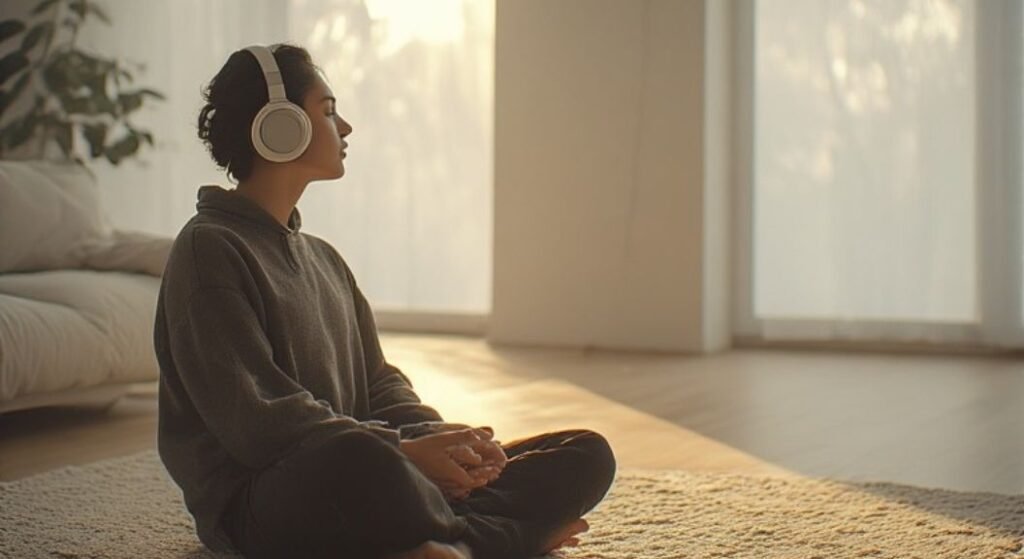
The loud modern world with its blaring sirens, irritating notifications, and ceaseless conversation continually assaults our sensitive ears. You can effectively fight back by deliberately using music to relax your exhausted brain. To start, consider silently listening to recorded environmental sounds, like heavy rain or crashing ocean waves. Use calm, consistent beats to slow down your rushing thoughts organically.

Bilateral Sound vs. Brown Noise for Deep Relaxation
You should absolutely practice bilateral stimulation by listening to specific audio tracks with good headphones. These unique therapeutic tracks bounce gentle sounds back and forth between your left and right ears. This simple alternating pattern deeply relaxes the entire brain and actively processes stuck emotional trauma. It feels incredibly peaceful and wonderfully centering.
Alternatively, try listening to deep brown noise instead of standard, hissing white noise. Brown noise features deeper, lower frequencies that sound exactly like a strong waterfall or distant thunder. These low, rumbling sounds mask distracting background chatter beautifully. Many anxious people find brown noise much more relaxing than high-pitched, annoying white noise tracks.
Proprioceptive Heavy Work: Moving Your Body to Find Inner Stillness
Proprioception is your body’s hidden ability to clearly sense its own physical location in space. When severe anxiety makes you feel totally disconnected, heavy physical work grounds you incredibly fast. Try pushing against a solid brick wall as hard as you possibly can. This intense muscle engagement tells your brain exactly where you are.
You can also carry heavy groceries, lift heavy gym weights, or do strong yoga poses. The deep muscle stretch and physical strain provide massive sensory input directly to your joints. It acts like a heavy ship anchor, pulling your floating, anxious mind back into your physical body. It burns off excess adrenaline very effectively.

Daily Habits to Support Your Sensory Grounding Techniques Practice
Grounding works best when you practice it daily, not just during massive emotional emergencies. Build tiny sensory check-ins into your normal morning and evening daily routines. For example, take a quiet moment to really feel the hot water during your morning shower. Notice the exact, rich smell of your fresh coffee beans.
Make it a highly regular habit to walk barefoot on grass or warm dirt whenever possible. This ancient natural practice, known as earthing, connects you directly to nature. The natural, rough textures under your bare feet stimulate thousands of highly sensitive nerve endings. It is a wonderfully simple way to maintain a calm baseline.
How to Tell if Your Sensory Grounding Techniques Are Actually Working
You might reasonably wonder if these simple sensory tricks are actually doing anything truly useful. Pay very close attention to your physical body right after trying a grounding exercise. You should quickly notice your breathing becoming noticeably slower and much deeper. Your tight, raised shoulders will likely drop down entirely away from your stiff ears.
Mentally, you will quickly feel a slight clearing of the thick, heavy brain fog. The urgent, racing thoughts will naturally slow down to a manageable, slow walking pace. You might suddenly feel very tired as your body finally releases its deeply stored tension. These are excellent, proven signs that the vital safety signals successfully reached your brain.

Tracking Your Vagal Tone and Heart Rate Variability
For those readers who love hard data, you can track your progress using smart health devices. These modern watches accurately measure your heart rate variability, which indicates overall nervous system health. Higher variability means your body recovers from severe stress quickly and efficiently. It clearly proves that your daily vagus nerve stimulation is actually working.
Improving your core vagal tone takes consistent time and daily, highly patient practice. Do not get deeply discouraged if your health numbers do not magically change overnight. Just keep focusing gently on your daily grounding habits and bodily sensations. Over time, the hard data will absolutely reflect your vastly improved internal calmness and emotional resilience.
Common Mistakes to Avoid When Attempting Sensory Regulation
Many anxious people completely give up on grounding because they try it incorrectly. The absolute biggest mistake is waiting until a full panic attack hits to start practicing. You must carefully learn the tools when you are totally calm so they work when you panic. Daily practice heavily builds the necessary mental muscle memory.
Another incredibly common error involves rushing blindly through the specific sensory steps too quickly. You cannot simply glance around a room and name five random objects in three flat seconds. You must pause deliberately and truly absorb the sensory details of every single item. Slow down, breathe deeply, and give your tired brain time to process the safety signals.

Action Plan: Build Your Personal Toolkit of Sensory Grounding Techniques Today
Now you know how to totally cure your mind using your incredible physical senses. It’s a great moment to build a personalized, rock-solid toolkit for your own day-to-day life. Choose two easy strategies from this long list that seem very attractive to you. Commit to practicing them every day this week.
At Curious Mind Hub, we really want you to have a deeply tranquil, joyful life. You already have all the amazing natural instruments you need inside your own body. Begin with modest steps, stay consistent, and see your everyday anxiety go. You deserve to feel peaceful, grounded beautifully, and totally present.
FAQs:
What is the 5-4-3-2-1 grounding technique?
This method includes recognizing five things you can see, four things you can touch, three things you can hear, two things you can smell, and one thing you can taste. It really takes your mind off of the worrisome thoughts and really grounds you solidly in the present moment.
How can you bring down a hyperactive nervous system?
You can also ground your nervous system with strong physical sensations like holding an ice cube or walking outside barefoot. These physical sensory signals safely disrupt the body’s stress loop and elicit a natural relaxation response.
What’s the quickest technique to calm down a nervous system?
The best approach to clear your mind is to adjust your temperature, for example, by running cold water over your face. This quickly triggers the mammalian dive response, which instantly decreases your panicked heart rate.
Do sensory grounding strategies work for anxiety?
Yes, they do so by biologically compelling your brain to change the main focus of attention from internal emotional spirals to external physical reality. This simple physical adjustment works to actively lower cortisol levels and deeply calms your sympathetic nervous system.
What is deep pressure therapy for grounding?
Deep pressure therapy involves forceful, gentle squeezing (like a tight hug or a heavy weighted blanket) to tell your brain everything is okay. This soothing tactile input causes serotonin release and inhibits nervous restlessness in nearly no time.