


Do you constantly scroll through online stores after a highly stressful day? You load up your digital shopping cart to feel a quick burst of joy. However, this fleeting comfort quickly turns into deep financial regret the very next morning.
Here at Curious Mind Hub, Ivy Calder helps readers overcome these hidden mental traps. You want to build a secure future, not a mountain of stressful debt. If you truly want to save money, you must learn how to stop retail therapy today. Read on to reclaim your lasting financial peace.
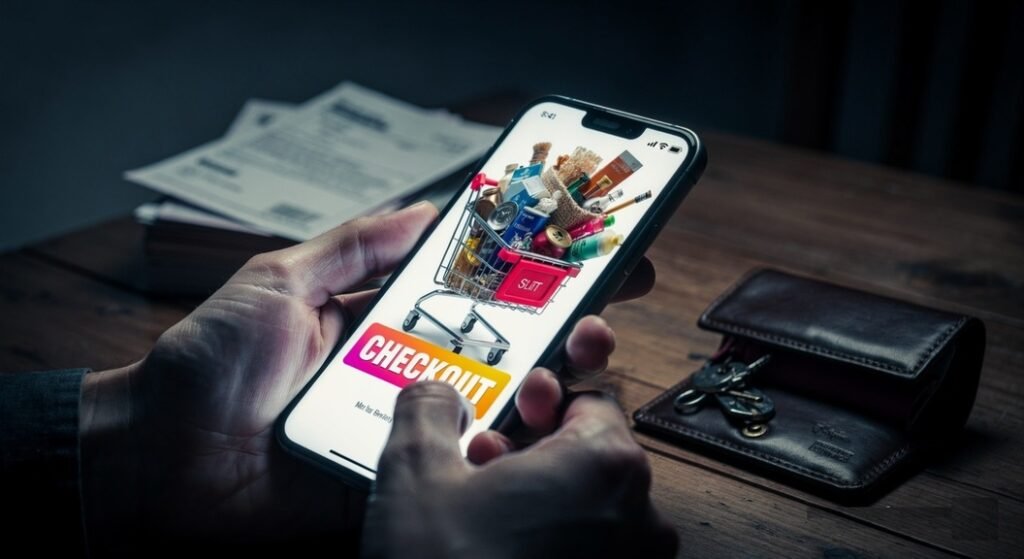
Section 1: How do you stop retail therapy from actually messing with your budget?
Some people find a shopping spree a good way to relax from time to time. But, unfortunately, this innocent behavior can frequently become a very destructive financial cycle. Researchers at Stanford University prove that during stressful times your brain is always craving the thrill of rapid fulfillment.
Today, you have to consciously break this automatic behavior loop. You can’t rely on pure willpower alone to keep your vulnerable bank account safe. Real change right now means you have to set strict financial restrictions for purchasing.
Section 2: The hidden dangers: What are the real costs of not stopping retail therapy?
You pay a lot more than simply your hard-earned money buying needless things. Every impulsive purchase takes resources away from your long-term aims. You’re trading your future stability for a very brief moment of digital thrills.
A new study on PubMed indicates long-term mental health distress from dopamine-driven spending. The first excitement goes away immediately, and you’re left with acute financial anxiety. You are caught in a vicious cycle of debt and profound emotional humiliation.

Section 3: 7 clear signs emotional spending is draining your wallet
Recognizing your bad financial habits is the first crucial step toward recovery. You must honestly evaluate your current relationship with money without any judgment. Look for these 7 signs that you need to stop retail therapy today:
- You hide new purchases from your partner or your close family.
- You shop immediately after having a terrible day at your workplace.
- You own piles of clothes with original price tags still attached.
- You feel a sudden rush of euphoria during the online checkout process.
- You experience deep, painful guilt the morning after you shop.
- You ignore your credit card statements completely to avoid facing reality.
- You justify bad financial purchases as necessary acts of self-care.
Section 4: Determine the emotional root of your problem to stop retail therapy
You cannot fix a leaky budget without fixing the underlying emotional leak first. People rarely shop just because they need a new pair of shoes. They shop because they feel incredibly lonely, bored, or totally stressed out.
Take a quiet moment to analyze your exact feelings before you buy anything. Understanding your psychological spending triggers gives you incredible power over your wallet. You can finally address your real emotional needs instead of masking them with expensive products.

Section 5: How to stop spending money when you feel intensely sad or anxious
Sadness acts as a powerful catalyst for terrible financial decisions. When you feel down, your tired brain desperately seeks an immediate reward. You must find healthier, cheaper ways to practice good emotional regulation.
According to the Centers for Disease Control and Prevention (CDC.gov) and the National Institutes of Health (NIH.gov), emotional distress severely impairs your logical decision-making skills. When anxiety hits, step away from all your glowing screens immediately. Go for a 2-mile (3.2-kilometer) walk outside to naturally boost your mood.
Section 6: How to stop trying to shop your way to happiness every single weekend
The long weekend often brings dangerous free time and endless consumer temptation. You stroll through bright shopping malls just to kill the empty afternoon hours. This casual boredom easily transforms into terrible emotional spending habits.
You must intentionally fill your weekends with free, highly engaging activities. Visit a local park, read a library book, or hike a beautiful trail. When you find joy outside of consumerism, you effortlessly protect your budget.

Section 7: 6 proven ways to stop retail therapy from destroying your finances
You need practical, actionable systems to shield your money from yourself. Relying on simple motivation will completely fail you on a bad mental day. You must apply these 6 proven money-saving strategies to stop retail therapy immediately:
- Always use cash or gift cards for all your non-essential items.
- Wait two full days before buying anything online from any store.
- Use a visual chart to monitor your daily expenses carefully.
- Delete your saved credit card information from all retail websites.
- Leave your physical wallet at home during casual, everyday outings.
- Cancel your premium, fast-shipping subscription services right now.
Sub-section 7.1: Use cash or gift cards instead of a credit card
Swiping a plastic card feels completely disconnected from spending real money. You do not feel the physical pain of handing over your hard-earned cash. This dangerous illusion makes overspending incredibly easy and incredibly fast.
Force yourself to withdraw a specific cash allowance every single week. When the physical cash disappears, you simply cannot buy anything else. This strict physical boundary helps you overcome shopping compulsion very efficiently.

Sub-section 7.2: Implement a strict 48-hour waiting period for all purchases
Marketers use flashy countdown timers to force you into making rushed decisions. You must fight back and implement the 24-hour rule or even a 48-hour pause. This vital cooling-off period kills the emotional urgency entirely.
If you still truly want the item after two days, you can buy it. However, you will find that the intense desire usually vanishes overnight. Your logical brain finally catches up and stops the unnecessary purchase completely.
Sub-section 7.3: Track your daily spending visually to maintain accountability
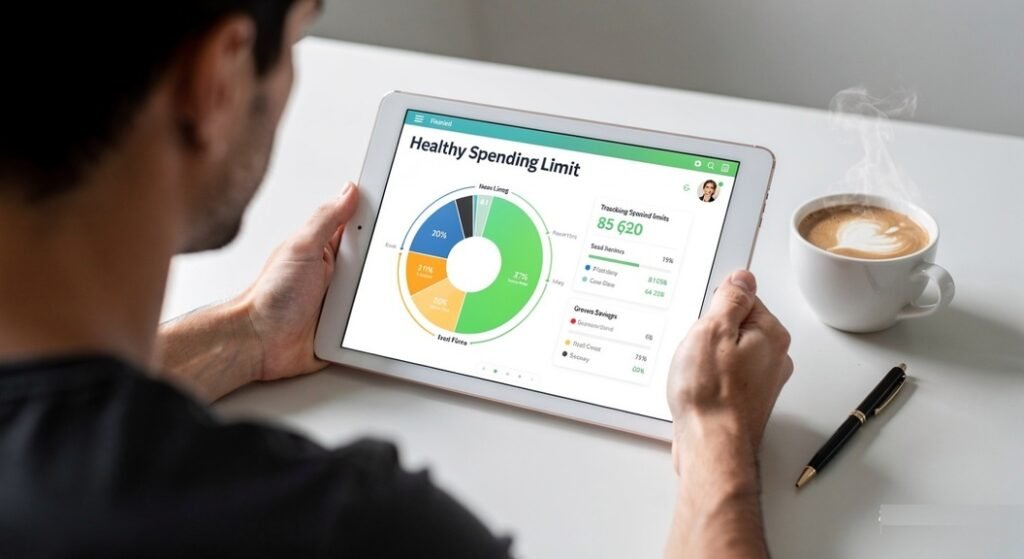
You cannot improve your finances if you refuse to look at your bank account. You must track your daily expenses to face your financial reality directly. Seeing a bright chart of your spending often provides a necessary shock.
Keep a simple notebook or use a secure digital budgeting app. Write down every single dollar or euro you spend on non-essential goods. This daily visual reminder keeps you focused on your bigger financial goals.

Section 8: Stop shopping if you are struggling financially and hiding your debt
Secret guilt is a poisonous mountain that builds up around your credit card debt. The tense interest payments multiply swiftly. You lie to your family. To end retail therapy today, you have to face this unpleasant fact.
Literally freeze your credit cards by putting them in a block of ice. This drastic action keeps you from adding additional hazardous debt to your life. Recognizing your hardship is the most courageous first step to actual financial freedom.
Section 9: Working with a therapist to end retail therapy for good
Sometimes your shopping addiction is about far more than bad behaviors. If you can’t quit buying goods, you may need professional psychiatric therapy. A trained therapist helps you disentangle your intricate underlying emotional anguish.
Experts will usually recommend cognitive behavioral therapy for spending to safely reorganize your brain. They educate you how to question your harmful beliefs before you click buy. It takes a lot of courage, intelligence, and proactivity to seek professional help.

Section 10: Master your triggers: unsubscribe from promotional emails to protect your budget
Your email inbox is the everyday temptation of a continual danger zone. Brilliant psychologists are hired by retailers to write emails that trigger your impulsive buying. Unsubscribe from retail emails to safeguard your everyday peace of mind.
GDPR and Eurostat data show the extent to which firms are tracking your digital habits under European privacy rules. They exploit your personal data to send attractive offers at just the right moment. If you want to regain your digital privacy totally, remove your shopping apps today.
Section 11: 5 healthy ways to deal with emotional spending and stop retail therapy
You cannot get rid of a negative habit without first replacing it. You need other means to calm your stressed-out, overworked nervous system. Here are 5 healthy ways to cope to avoid retail therapy today:
- Call a close and sympathetic friend and scream about your daily frustrations.
- Try some deep breathing exercises to bring your heart rate down fast.
- Document your nervous thoughts in a private, daily physical notebook.
- Instead of skimming through online stores, take a warm, relaxing bath.
- 30 minutes of exercise to generate good, healing endorphins naturally.
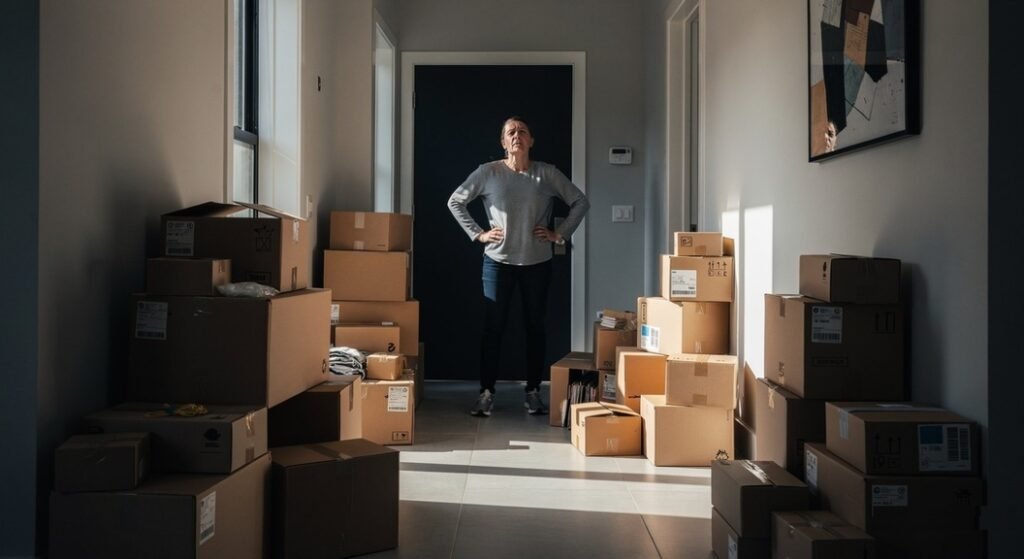
Section 12: How to set meaningful financial boundaries for long-term growth
Going cold turkey frequently results in a huge buying spree afterwards. You have to set actual boundaries with tiny, targeted rewards every day. Set financial targets that your fatigued brain actually wants to reach.
Perhaps you’re looking to squirrel away $5,000 (€4,600) for an epic family vacation. Slip a picture of your favourite destination safely in your wallet. This visual cue makes saying no to randofavoritees so easy.
Section 13: Don’t beat yourself up for past sins and give up retail therapy without severe guilt
All you’re doing is building up more internal stress when you beat yourself up about past purchases. The guilt from this heavy remorse typically leads to another round of risky emotional spending. You’ve got to be radically self-compassionate while you’re navigating money concerns.
Let go of your financial mistakes of the past, and focus on the bright future you can create. Each new day brings a fresh chance to make a lot smarter choices. Be as compassionate to yourself as you would be to a friend in need.
Section 14: Set the stakes: remember exactly why you want to stop retail therapy today
To change your behavior, you must be deeply and utterly committed to a better life. Write down specifically why you desire to have ultimate financial freedom today. Want to retire early, or just stop worrying about bills?
Every day, make your key reasons evident on your bathroom mirror. Remember the big stakes and you easily disregard the flashy sales. The power to crestakes,beautiful, safe and prosperious future is all YOURS.
FAQs
- Why do I shop when I’m upset or sad?
Shopping releases dopamine in your brain, gisafe, you prosperoustional lift that takes your mind off your underlying tension or melancholy. But the fast chemical hit typically fuels a chronic, expensive cycle of emotional spending.
- How do I stop myself from emotional spending?
To reduce emotional spending, understand your psychological triggers, impose a tight 48-hour waiting period, and delete your credit cards from your gadgets. It’s also important to replace the temptation to spend with free mood-boosting activities such as going for a walk and calling a friend.
- What is the 48-hour rule of buying stuff?
The 48-hour rule makes you wait two full days before you may buy anything that isn’t a necessity. It breaks the loop of quick satisfaction. This crucial cooling-off interval allows your reasonable mind to take over and cancel impulsive, emotion-driven purchases.
- Is there really such a thing as shopping addiction?
But retail therapy is a normal coping technique from time to time, but it can develop into compulsive buying disorder, with uncontrollable desires, financial devastation, and emotional humiliation. If shopping is your sole way to deal with negative feelings, you may need professional therapy.
- How to get the shopping dopamine without spending money?
You can satiate your brain’s desire for novelty by just browsing and adding products to an online basket and then closing the tab without buying anything. Or just switch up your existing outfit for a fun dopamine spike. Host a clothing swap with pals.