


How to Master Intentional Screen Time for Better Mental Health
Do you grab your phone as soon as you wake up in the morning? You are not alone in fighting this thing you have to go through every day, and it is so aggravating. Mindless scrolling costs many adults in the US and Europe precious hours every single day. Constant digital tethering saps your vitality steadily and breaks your concentration during the day.
Imagine regaining those lost hours for profound work, satisfying hobbies, or just the pleasure of restorative quiet. Today, you may regain complete control over your attention span. We help you master conscious screen time with ease at Curious Mind Hub. Let’s look at some practical ways you may shield your mental well-being from digital tiredness.

Why You Must Master Intentional Screen Time for Better Mental Health
Your brain is wired to want new information and new experiences all the time.” But current apps harness this ancient instinct, driving you to extreme digital burnout. You need to intentionally walk away to properly prevent digital burnout in your everyday routine. When you take solid breaks, your overstimulated mind may finally rest.
You can adjust your approach to digital consumption right now. Get intentional about screen time, and you immediately up your daily cognitive load management. This frees up brain space that is precious for your professional time, objectives, and your personal joy. Intentional gadget use drives your overall life satisfaction.
The Secret Connection Between Infinite Scrolling and Anxiety
Infinite scroll removes the natural halt in your professional time, forcing you to pause. Your brain goes into a continual search for the next intriguing information. This never-ending need for the next hit generates a draining need for a dopamine detox. You’re teaching your nervous system to be on high alert without tight brakes.
This constant stimulation often shows up as a low-level background anxiety. When you’re apart from your gadget, you may feel restless or agitated. Knowing how screen time changes your brain chemistry can help you escape this vicious cycle. By imposing hard limitations on unending feeds, you can find your tranquility again.

How to Audit Your Daily Digital Habits in 10 Minutes
You can’t repair a problem you don’t assess accurately and don’t comprehend completely. Go get your phone. Open your built-in screen time tracking dashboard. Checking your actual usage data is the foundation of smart digital wellness behaviors. See which apps are taking up your most productive hours in the morning.
Find your largest digital time wasters without guilt over prior activity. Social media or never-ending news updates eating up your precious hours? Once you recognize the obvious trends, you can eliminate time-wasting programs once and for all. With a quick 10-minute audit, you get a clear road map to get back on track.
7 Signs Your Screen Time is Killing Your Focus
Your whole system feels the electronics taking over. Ever get phantom phone vibrations while your pocket is empty? This unpleasant bodily sensation is a sign that you need to de-stress digitally and immediately. Another clear sign is reaching for your phone during any brief break.
You may also experience frequent tension headaches or an annoyingly short attention span. If you can do a 10-minute audit, you can read even one roadmap of digital and focus needs and do a significant 10-minute audit; you can do it, and those one roadmap and IG focus DB focus and screen time intentionally. The first important step to long-term recovery is to admit the real damage you have done.

Listicle: 10 Digital Minimalism Tools to Reclaim Your Sanity
You don’t have to rely on willpower to battle the tech firms. Smart software developers have built great tools to help you construct healthy tech limits. These beneficial apps provide the friction you need between you and your most distracting digital distractions. They serve as a specialized protection system for your attention
From hard-core website blockers to full-featured usage monitors, the appropriate tools make change simpler. You are able to configure automatic screen-time limitations long-term for apps that you have the greatest trouble with. It seems strange to use helpful technology to long-term forgy, but it works great. Let’s discover the finest of the best for your digital toolkit.
Top Apps To Monitor Screen Time
Apps like Freedom and Opal block distracting information across all your devices simultaneously. They physically stop you from foraging socially during your allotted concentration hours. These powerful tools take away the immediate option to support your smartphone addiction recovery. You create the firm timetable, the software develops the technology, and the rules are followed. You create the firm timetable, the software develops the technology, and the rules are followed. You create the firm timetable, the software develops the technology, and the rules are followed.
There are also wonderful insights into native products such as Apple Screen Time and Google Digital Wellbeing. They provide thorough daily statistics that indicate exactly where your digital minutes go. By looking at these exact measures, you may readily find your weakest moments. Regular usage tracking makes you fully responsible for your new minimalism goals.

Browser Extensions for Deep Work Focus
Distractions on your desktop can easily destroy your most critical professional initiatives and serious work sessions. Extensions like News Feed Etimetable swap your messy Facebook feed for an encouraging phrase. This small visual change really helmakes technology, andoEtimetable swaping the job. But you may still check urgent messages without falling into the scrolling trap.
Other creative tools, such as Forest, gamify your focus by sprouting virtual trees that grow instantaneously, helping you swap technology and a timetable. These visual effects will help you manage your purposeful screen time at your hectic desk. A few small modifications to your browser can make a big difference to your daily productivity at work.
Practical Steps to Create a Phone-Free Morning Sanctuary
Your first hour in the morning determines your mood for the rest of the day. If you check emails right away, you’re allowing outside demands to dictate your morning mind. Instead, you need to adopt phone-free mornings to protect your early wake hours. Wake up without your cell phone charging in another room.
Use this new quiet time to read, stretch, or make a fresh pot of hot coffee. A calm morning routine greatly reduces your baseline anxiety and your everyday stress levels. This simple scheduling shift is a real cornerstone to managing internet consumption. You start your day being proactive instead of reacting to digital pressures.

How to Master Intentional Screen Time Without Deleting Social Media
You don’t have to deactivate every app to obtain lasting digital calm. “Extreme digital deprivation invariably results in a frustrating and unavoidable relapse later.” Or you can use mindful scrolling techniques to create a more healthier internet experience. Unfollow any negative accounts that make you feel awful or compare yourself negatively.
See your social feeds as a connection, not just a boredom-buster. Introduce SoHelp to make technology and a timetable swap forms after each use. When you learn deliberate screen time, you pick when to be on purpose and may enjoy the modern digital environment without it taking over you.
The Science of Dopamine and Why We Can’t Stop Scrolling
Behavioral psychologists are hired by tech corporations to make their apps ridiculously difficult to close. Every time, we notice or like a tiny, unpredictable shot of dopamine. This intermittent psychological reinEvery time, we train your brain like a casino slot machine. This chemical habit can be broken efficiently with a good dopamine loop detox.
Digital objectives and stimulation gradually blunt the reward system of the brain. The hyper-connected internet world makes normal offline activities seem quite uninteresting. This is established science that helps you take back control without the emotional embarrassment. You are just wiring your fatigued brain for more sustainable, calm bliss.

Listicle: 5 Evening Rituals to Master Intentional Screen Time
How you wind down at night significantly affects how well you sleep and how much energy you have the next day. The bright light of modern screens is a big disruptor of your body’s natural melatonin production. To make sure you’re getting the rest you need, you need to understand the psychological impacts of blue light. “Setting a solid tech-free buffer zone before bed is totally non-negotiable in today’s time.
You want to have a digital sunset routine that tells your brain it is time to slumber.
- Turn off all main screens one full hour before your actual bedtime.
- Read a traditional physical book instead of a glowing e-reader or tablet.
- Charge your smartphone entirely outside of your peaceful bedroom every single night.
- Write down your lingering daily thoughts in a simple paper journal.
- Practice very light stretching to release physical tension from the busy day.
How to Set Healthy Digital Boundaries with Your Employer
In thwork tasks and personal time often blur togetheronal time tend to be blurred. You could feel a lot of pressure to respond to business communications late into the quiet evening. But you have to consciously turn off non-essential notifications to save your precious sanity. Let your colleagues and managers know exactly when you’ll be out of reach.
Real business pros know the value of downtime to be able to perform at a high level over the long haul. And when you’re completely unplugged at night, you go back to work with a sharper, more focused mind. Drawing these clear lines will prevent deep-seated animosity and catastrophic long-term professional burnout. Your employer receives a more productive, more focused employee.
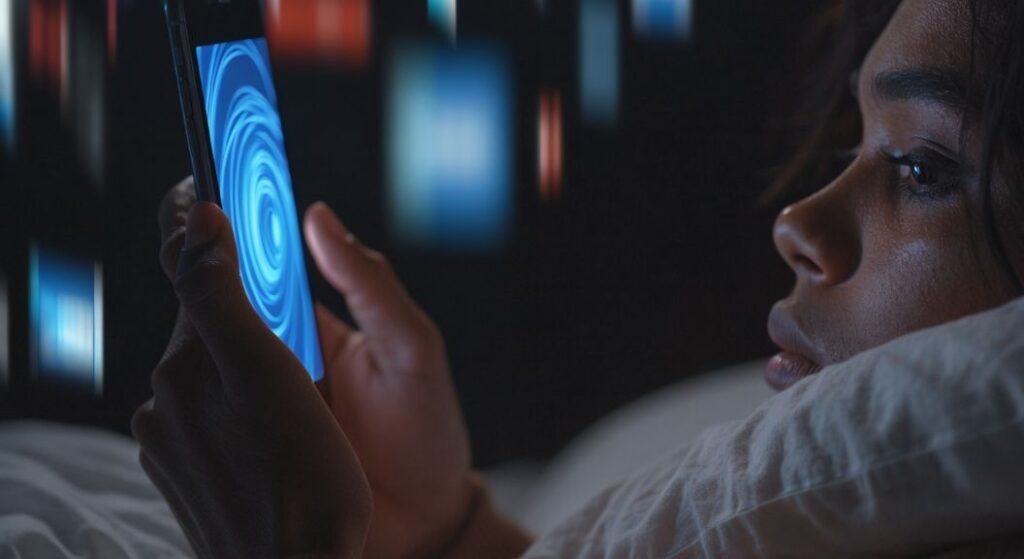
Replacing Digital Noise with Meaningful Offline Connections
Smartphones often operate as handy emotional barriers during awkward social times or bouts of boredom. But this typical practice robs you of the real human connection and community building. You need to actively make time for offline interests so that you can repair your important real-world connections. Today try leaving your phone at home when going for a short walk in your area.
Share tech-free meals with your family or friends and engage in meaningful discussions. You’d be surprised at how much more present you feel when you hide light screens totally. As you learn to handle conscious screen time, you create space for real human encounters. Real life happens in the lovely, slightly messy times of being completely offline.
How To Mindfully Organize Your Apps: A Step-By-Step Guide
Clutter on a digital home screen causes subconscious stress and invites instant mindless tapping. Spend five minutes today entirely re-arranging the layout and organization of your smartphone. Remove all social media and news apps from your main home screen entirely. Put them in hidden folders so you have to seek them out and swipe.
Keep only the bare minimum utility apps (maps, calendars, etc.) on your top page. You can also switch your phone to grayscale to cut down on visual temptation. Small ambient design tweaks that reinforce your new digital wellness behaviors without effort. A clean, quiet screen naturally supports a much calmer, more focused mind.

Why Mastering Intentional Screen Time Improves Sleep Quality
Your brain needs complete darkness to prepare for deep, regenerative sleep cycles. Scrolling on your phone late at night is bad for your eyes and can delay vital cell healing. By taking away that artificial light, you’re naturally helping your digital burnout prevention. Better sleep at night means better emotional regulation the very following day.
Getting up totally refreshed will provide you the strong discipline to not check your phone in the morning. Good sleep and focused days feed into a positive cycle that grows stronger over time. You win against purposeful screen time by valuing your physical rest more than cheap digital pleasure. Your mind and busy body need this essential nocturnal recuperation period. Desperately.

Final Thoughts on Sustaining Long-term Digital Balance
Regaining your shattered focus is a daily discipline for a lifetime, not a weekend fix. There will be days when you fall back into your old scrolling habits, and it’s inevitable. Just immediately forgive yourself and return to your regular no-tech routines tomorrow morning. Real development is the result of steady labor, not unrealistic demands of digital perfection.
You have the inner strength to regulate your technology and guard your vital attention. These practical ideas help you create a more intentional and deeply meaningful life. Explore more resources here at Curious Mind Hub for continual personal improvement. Now, put away your device and appreciate the lovely environment around you.
FAQs:
How much screen time is beneficial for adults?
Most experts agree that in terms of recreational screen time, you should aim for less than two hours a day on top of your normal work requirements. Use your brainpower on valuable digital pursuits, not on mindlessly browsing through an infinite stream of content.
The mental health impact of excessive screen time
The longer you are online, the more your stress hormones increase, leading to regular worry and significant disturbance of your natural sleep cycle. By setting healthy boundaries around your personal electronics, you actively protect your sensitive nervous system.
What are some natural ways to limit my daily screen time?
You may easily cut down on your consumption by establishing tech-free morning routines and employing your smartphone’s built-in app limiters. This fills your time with useful offline interests instead of meaningless internet habits, ensuring a far smoother, permanent transition.
What is deliberate screen time?
Intentional screen time means you decide when to use your technology instead of letting arbitrary notifications hijack your attention. This means turning everyday distractions into a highly specific, useful instrument.
Will I be more focused if I stop using my phone?
Yes, taking away the continual digital disruptions allows your fatigued brain the peace and quiet it needs to recover a healthy attention span. You’ll see a giant increase in your everyday cognitive endurance and deep work capabilities.