


5 Neurological Secrets Behind Successful Habit Stacking
Have you ever wondered why some routines stick effortlessly while others fail by Tuesday? The secret lies hidden deep inside your brain. Behavior change science proves that willpower alone never creates lasting change. You need a smarter approach that works directly with your biology.
By mastering successful habit stacking, you can effortlessly link new behaviors to existing ones. You can finally automate daily productive tasks and achieve continuous growth. Let us dive into the precise ways to hack your habit loop and transform your life today.
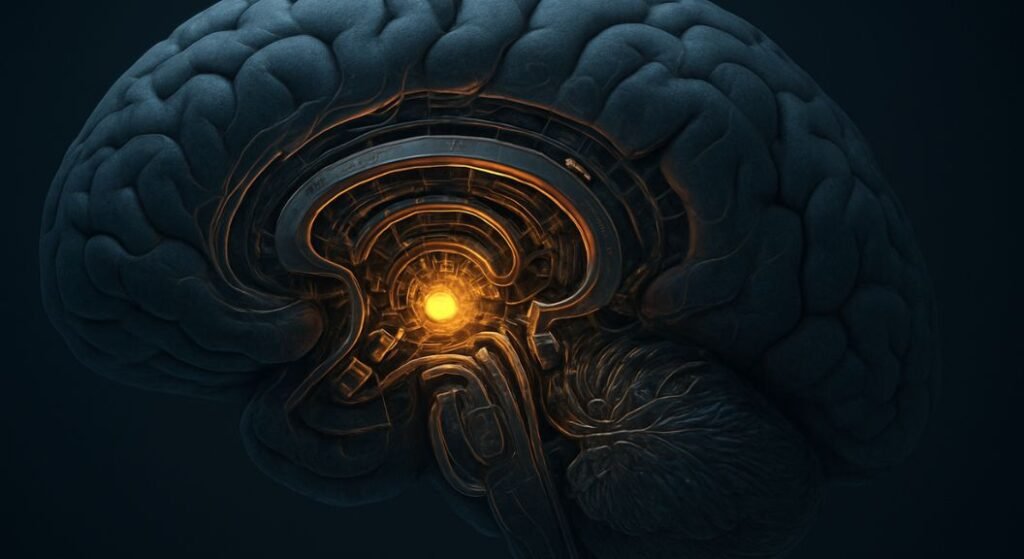
What Is the Neurological Basis of Successful Habit Stacking?
Your brain is always looking for methods to save vital energy. It does this amazing thing by using habit loop automation. By pairing a new desired behavior with an old habit, you are tapping into existing neural networks. This amazing method demands far less mental work than starting from scratch.
Picture your brain as a vast, overgrown forest. Old habits are well-worn hiking trails. A new habit is like hacking your way through thick foliage. Linking the two makes your trip much easier. And this is the neurological basis for successful habit stacking.
How Habit Stacking Can Rewire Your Neural Pathways for Success
Every time you do something , your brain reinforces the connections between the neurons . This is what scientists term a brain pathway routine. If you associate a new task with an old cue, you fire these neurons at the same time. They wire together over time making the behaviour permanent.
This powerful rewiring process helps you to design better routines more quickly. You cease relying on shaky motivation. Instead you build a strong biological bridge. This bridge will allow you to easily go from your morning coffee to your new meditation practice with little mental resistance.

The Role of Dopamine in Driving Successful Habit Stacking
Dopamine is the ultimate motivational neurotransmitter in your brain. It doesn’t simply make us happy; it makes us want and do more. Your dopamine reward system lights up when you have a win. This amazing hormonal rush tells your brain to remember that behavior and do it again.
You can exploit this chemical reaction to your advantage. Celebrate your little wins shortly after you complete your stacking routine. A simple mental cheer gives you a dopamine boost. That brief hit cements the new connection so successful habit stacking feels immensely satisfying and very addicting.
3 Ways Basal Ganglia Automates Successful Habit Stacking
The basal ganglia are the old control center of your brain. It governs your motor control, your habits, your emotions. The basal ganglia are operating correctly so you can do difficult things without thinking. Once a process is entirely automatic, it takes control.
First it finds the trigger daily. Second, it runs the stored routine. Finally, it processes the internal reward. By practicing good habit stacking, you’re giving explicit instructions directly into this strong mechanism. You program your mind to do new effective actions on automatic.

How to Reduce Cognitive Load for Successful Habit Stacking
Your prefrontal cortex is what makes decisions, yet it tires extremely quickly. Every decision you take uses up your brain battery. To sustain new behaviors, cognitive burden must be reduced. Eliminating the daily decisions saves your precious mental energy for the hard stuff.
You do this by selecting what you’ll do upfront. If you associate reading with your morning tea, you never get to pick when to read. It gets rid of decision fatigue. It makes habit stacking the easiest way, not a daily battle.
The Secret: Why Habit Stacking Works — Neuroplasticity
Your brain is highly plastic throughout your life. Its brilliance, however, lies in its adaptability, known as neuroplasticity. This ensures that you are never locked in your existing routines. Neuroplasticity allows you to change your entire environment and shape your mind with everyday practices.
Every time you stack a new habit, you are physically changing your brain structure. You create new pathways for your mind to practice for success. Knowing this knowledge gives you great hope. It shows that habit stacking is changing your biology successfully not just your schedule

5 Essential Rules for Brain-Friendly and Successful Habit Stacking
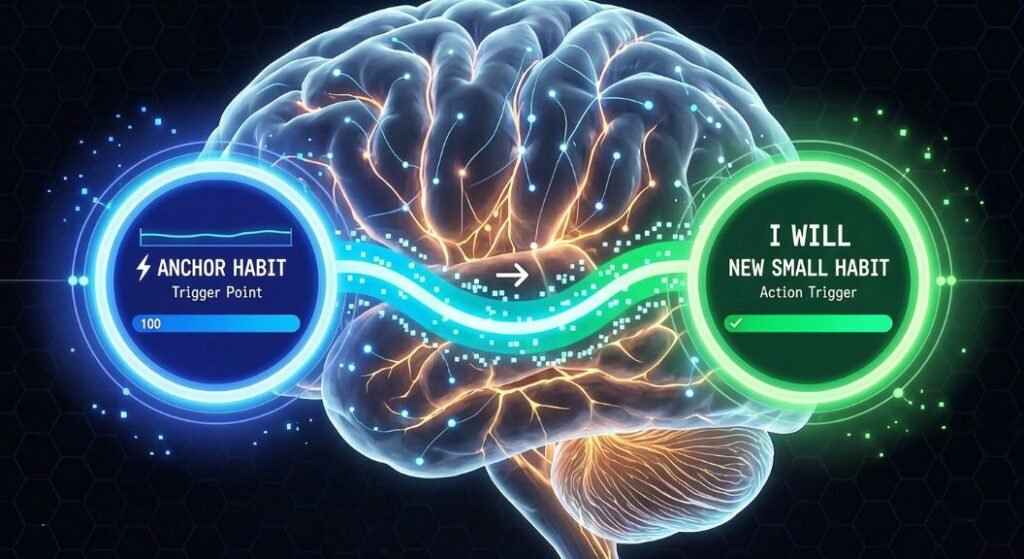
There are regulations you have to follow for these biological alterations to be permanent. The first is to make your new behaviors ridiculously tiny. Second, pick an anchor habit you do every day. Third, follow the order exactly. These stages are a perfect mirror of the famous atomic habits method.
Fourth, create a defined schedule for your stacking routines. And last, see your consistency graphically. These five basic laws are in perfect harmony with the way your brain learns naturally. Following these will make the route into successful habit stacking seamless, extremely rewarding, and lasting.
Cues That Lead to Effective Habit Stacking
Anything you do automatically depends on clear messages in your brain. The most important phase in this whole process is the correct recognition of cues. You need a trigger that occurs dependably every single day. Vague intentions don’t work.
Choose a particular conduct that cannot be denied, and which is commonplace. A good example is brushing your teeth or turning on your shower. And these powerful anchors tell your brain just when to start. Habit stacking done right is part guessing game and part clear clues that guide you to a simple routine.
How to Optimize the Reward Loop in Successful Habit Stacking
You have to close the loop to make a new behavior stick. A good reward signals to your brain that it was worth the effort. This involves establishing a real feeling of accomplishment just after performing your new action to cement the new relationship.
The reward is the quicker the greater the neurological relationship. A simple self-affirmation or a deep breath is a great reward. The instant positive feedback is what makes habit stacking successful since it cements the entire sequence in your memory banks.
Overcoming Mental Friction During Successful Habit Stacking
Your brain is inherently resistant to everything new and unfamiliar. It really likes the comfort of familiar patterns. You have to fight the pull of behavioral friction. You do this by making the new habit extremely easy to do from the beginning.
Lower the bar until failing is impossible. If you want to read more, put the book on your pillow every morning. By reducing the physical barriers, you enable successful habit stacking to occur effortlessly without requiring huge amounts of everyday willpower.
How Synaptic Pruning Makes Habit Stacking More Effective
Your brain is a biological machine of amazing efficiency. It regularly trims weak or dormant neuronal connections. Scientists refer to this amazing cleansing operation as “synaptic pruning.” It clears mental clutter so your mind may focus energy on habits you do often.
As you practice stacking habits successfully, you reinforce your new pathways. And at the same time your brain sheds old, unwanted connections. You starve the negative behaviors and feed the beneficial ones. This biological improvement makes your new stacking routines considerably stronger, and much more resilient.

Step-by-Step: The Successful Habit Stacking Process for Your Brain
You now comprehend the science that underlies it. Now is the moment to learn how to rewire your brain. First, write down all your present daily routines. Find the most powerful, consistent action. That’s the rock solid core of these dependable actions.
Then pick a small new habit. Tie it to a solid established routine. Make a detailed plan: “After I do X, I will do Y immediately.” This straightforward formula ensures successful habit stacking by giving your brain explicit instructions.
4 Common Brain Traps That Sabotage Successful Habit Stacking
Good intentions or not, your brain can easily fool you. The worst mistake is to shoot too high, too soon. You overload your cerebral capacity by taking on too much. You have to start small so that the right habit consolidation happens without mental burnout.
Another danger is to choose an unstable anchor. If your trigger is not daily, your new habit fails. Also, don’t give ambiguous prizes and skip sequences. Avoiding those precise hazards means your successful habit stacking method will be in total agreement with biology.

How to Use Existing Anchors for Successful Habit Stacking
Anchors are the invisible strings that tie your day together. Proper neural anchoring ties the intended future state with the current reality you’re living in. Your morning coffee, your commute, your dinner. These are tremendous anchors that are ready to be used.
This involves piggybacking on the neural momentum of strong anchors, by tying a new habit to them. The old habit offers the energy needed to start the new one. This smart trick makes habit stacking feel absolutely natural and completely easy to do well.
The Neurological Effect of Successful Habit Stacking
You can’t always see the changes inside your brain. But you can clearly sense the mental changes. Your new habit demands conscious effort at first. In the end it happens of itself. This change indicates that your neuronal circuits have been rewired.
Watch your consistency closely as a measure of how you are doing. “Each successful repeat builds up the myelin sheath around your nerve cells. This biological insulation accelerates electrical signals. It’s physical confirmation that your effective habit-stacking attempts are creating real bodily changes.

Future-Proofing Your Mind With Successful Habit Stacking
Your journey of constant progress never really stops. Learn these biological secrets and you will cultivate a mind of incredible resilience. No longer do you depend on transient inspiration. You rely on sound neuroscience to inform your day-to-day decisions and to determine your future.
Continue to explore with fascinating new combinations. Stay wildly curious about what you can do. Now you have the tools to change your life forever. Experience the amazing power of habit stacking and watch your world transform.
FAQs:
- What the heck is habit stacking?
Habit stacking is a psychological trick, attaching a new desirable habit to an established everyday pattern. This technique makes it easier to automate new behaviors by associating them with routines your brain already executes on autopilot.
- How can I begin habit stacking?
Try to find a daily anchor you can trust, like brushing your teeth or pouring coffee in the morning. Attach a tiny, highly particular new habit immediately to that exact anchor so that they become a smooth sequence.
- What is an example of habit stacking?
A good example of this is deciding, “As soon as I pour my morning coffee, I will do exactly one minute of deep breathing.” The coffee is the unmistakable automatic cue for the new routine.
- Why is habit compounding so powerful?
It works because you’re tapping into established neurological circuits, not depending on raw willpower or brittle daily motivation. Your brain just adds the new action to an already well-established synaptic link, greatly lowering cognitive strain.
- How long does habit stacking take to work?
It might take anywhere from 18 to over 60 days to create a whole new habit, but habit stacking usually shortens that timescale. Having a consistent daily trigger makes it much easier for your brain to integrate and automate the new behavior.