
5 Ways Room Layouts Control Habits & Change Your Life
Do you ever wonder why you always end up scrolling on the couch instead of reading a good book? You might blame your own lack of discipline or a busy schedule. The real secret actually hides in the physical design of your living space.
Here at Curious Mind Hub, Ivy Calder built this platform to help you uncover these invisible daily patterns. Your home acts as a silent coach, pushing you toward specific actions every single day. If you want to change your life, you must look closely at your physical surroundings.
Imagine waking up and naturally flowing right into a productive, healthy routine without fighting yourself. You can easily achieve this peace once you understand how room layouts control habits. Let us explore how you can redesign your environment to finally support your biggest goals.
Why do room layouts control habits more effectively than sheer willpower?
Your daily willpower operates just like a physical battery. You wake up fully charged, but every small decision slowly drains your mental energy. By the time evening arrives, your exhausted brain chooses the easiest possible option available.
This is exactly why environmental design and willpower are deeply connected. Researchers at Stanford University (.edu) found that people who build lasting routines alter their environments first. They stop relying entirely on mental toughness and start shaping their physical rooms instead.
When you place your running shoes directly in front of the door, you remove mental hesitation. You do not have to negotiate with yourself when the healthy choice sits right in your path. This brilliant strategy preserves your precious mental energy for much bigger daily challenges.
Stop relying on motivation: see exactly how room layouts control habits
Motivation remains a highly unreliable and fleeting emotion. You cannot expect to feel incredibly inspired to exercise or cook a healthy meal every single day. True behavioral design removes this heavy reliance on your unpredictable daily moods.
Every object in your home creates a specific level of cognitive friction. If your guitar sits hidden inside a dark closet, you will rarely ever play it. The physical barrier between you and the instrument kills the habit before it even begins.
If you leave that same guitar resting on a stand in your living room, you play it often. You grab it effortlessly while waiting for your morning coffee to brew. Lowering the physical effort makes taking action feel completely natural and completely automatic.

5 common room layout mistakes that secretly sabotage your best habits
Many people accidentally design their homes to support their worst daily habits. You must identify these invisible traps before you can build a healthier lifestyle. Here are 5 common mistakes that quietly ruin your daily progress:
- Hidden healthy cues: You keep your fresh fruit buried deep inside a dark refrigerator drawer.
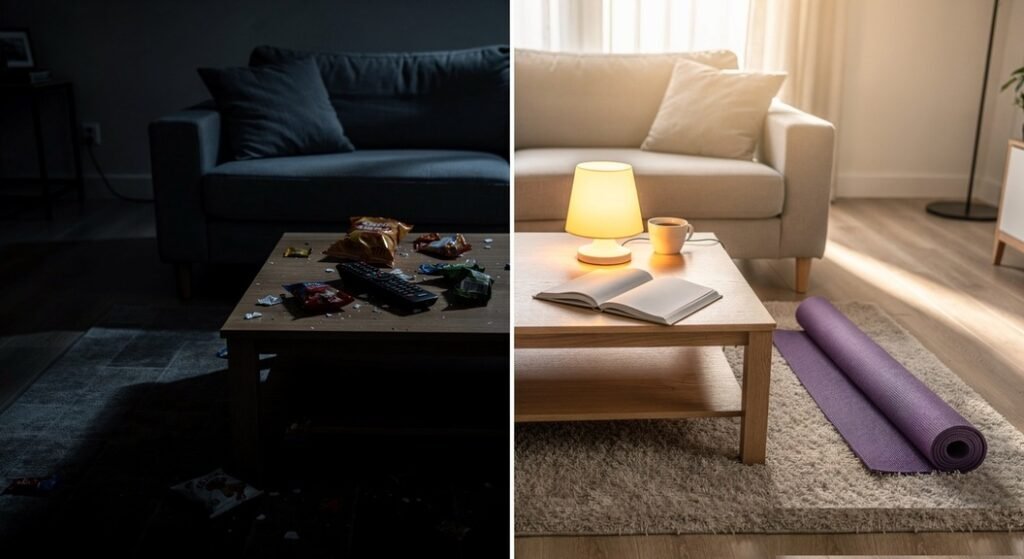
- Accessible distractions: You leave the television remote resting right in the center of the coffee table.
- Blurred boundaries: You work, eat, and sleep in the same corner of your studio apartment.
- Poor lighting: You rely on harsh overhead lights that ruin your natural evening relaxation.
- Obstructed pathways: You block your main walking paths with oversized, bulky furniture pieces.
If you recognize these errors, it is time to rearrange your living room. A few minor furniture adjustments will instantly shift your daily actions.
How to use choice architecture to make good habits visible and available
Good choice architecture design simply means organizing your environment to encourage better daily decisions. You arrange your physical space so that the best choice becomes the most obvious choice. Retail grocery stores use this exact psychology to make you buy expensive items at eye level.
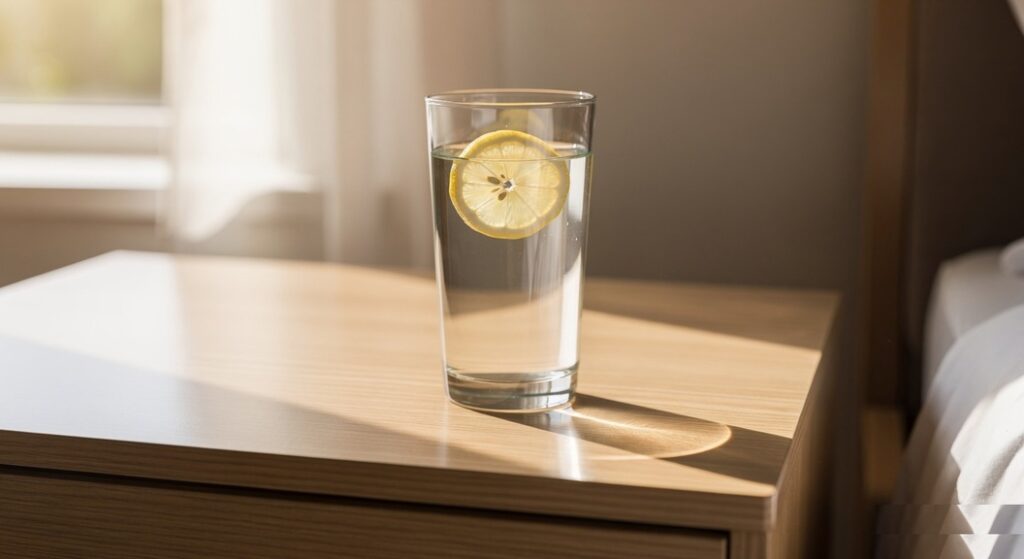
You can steal this exact strategy to improve your personal life. Place a large glass of water on your nightstand every single evening before bed. When you wake up, drinking water becomes the very first action you take effortlessly.
This invisible nudge bypasses your tired morning brain completely. You do not have to think about hydration because the water is already waiting for you. Designing a smarter space practically guarantees your long-term success.
Master your traffic flow: why bumping into the coffee table ruins your vibe
The way you walk through a space every day affects your entire mood and vitality. Bad spatial flow behavior produces small daily frustrations that wear down your patience over time. You should never have to squeeze past a heavy chair to get to your kitchen.
To make your everyday routine go perfectly smoothly, you need to actively optimize traffic flow paths. Keep a clean walking area of at least 3 feet (approximately 1 meter) in the main halls. An open and uncluttered path informs your brain that your home is a safe and comfortable space.
When you walk with ease, your stress levels naturally tend to go down. You navigate through your morning ritual without tripping over unexpected things or stubbing your toes. Smooth physical flow = smooth, tranquil mind.
The way room placement governs habits by means of well-defined spatial zones
Open floor plans often cause massive mental disorientation. When your brain can’t differentiate where work stops and rest begins, you feel perpetually burdened. You need to create specific zones of activity, telling your brain exactly what to do next.
Arranging living room layouts that are peaceful and social
Your living room should naturally invite deep connection and friendly conversation. Pull your couches away from the walls a little and angle them to face each other. This unique way of arranging the room is meant to encourage your family to sit down and converse rather than stare at devices.
Designing peaceful bedroom setups for comfortable sleep
Your bedroom shall be a precious sanctuary, wholly devoted to deep relaxation. The Centers for Disease Control and Prevention (CDC.gov) recommends making your bedroom chilly, dark, and quiet. Position Your Bed Facing The Door. This can reduce your subconscious worry and increase your sleep quality at night.
Creating the perfect home office setup for maximum output
Working remotely demands strict physical boundaries to avoid extreme burnout. Eurostat data shows remote employees across Europe have difficulty switching off after hours. Set up your desk by a sunny window and never work directly from your cosy bed.
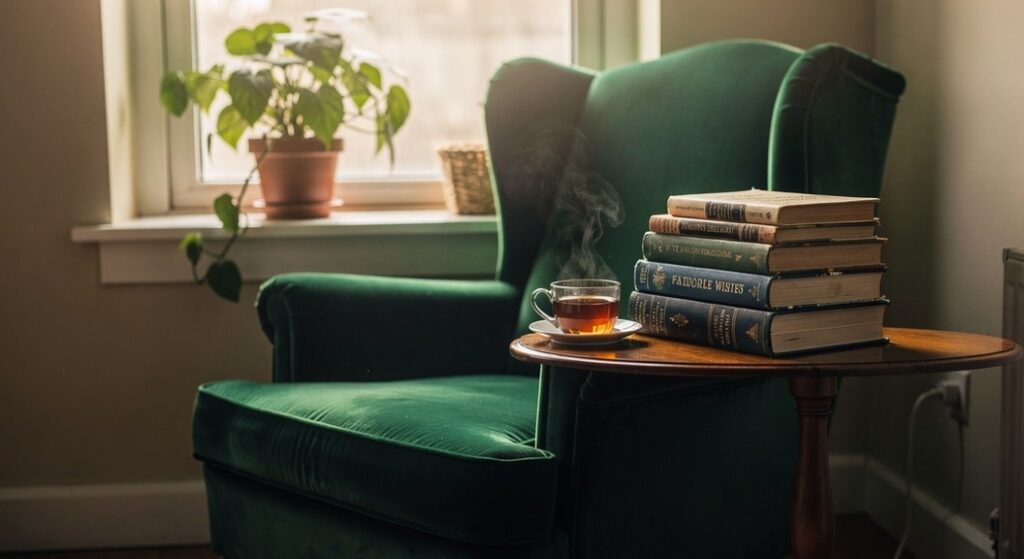
3 brilliant layout fixes to create emotional boundaries without walls
You don’t have to erect new boundaries to separate your daily tasks. Visual and physical signals make it easy to set clear limits of physical space. Here are 3 amazing fixes to immediately split your areas:
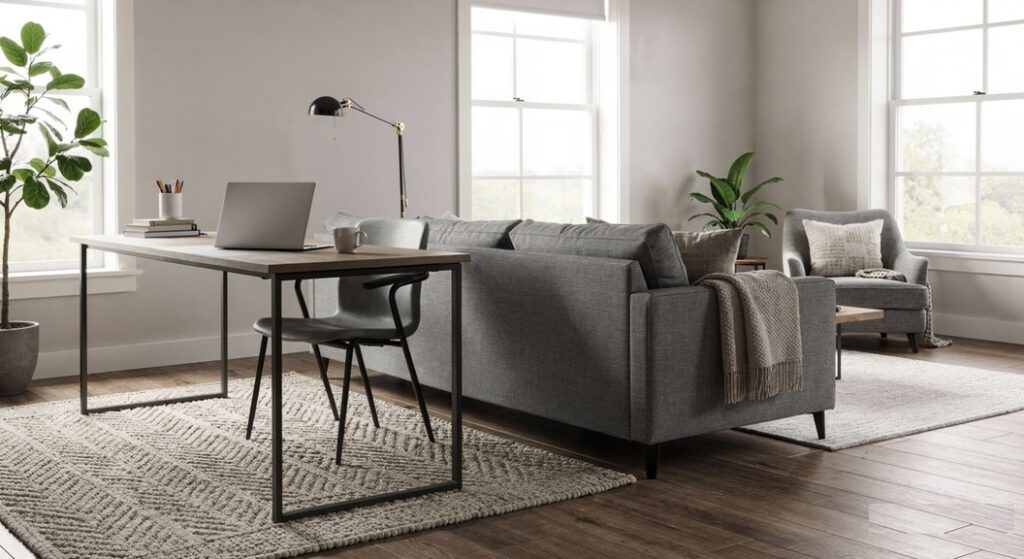
- Use Area Rugs: Place a different rug under your desk to clearly set apart your work environment.
- Turn your furniture: Use the cozy, sturdy back of your sofa to partition an open living space.
- Change the lighting: strong task lights for work and warm lamps for relaxing in the evening.
These small visual cues inform your brain exactly what mode to go into. You shift from busy professional to relaxing parent seamlessly and easily.
How colour and lighting shape spatial movement and your everyday mood
Spatial psychology shows that light nearly instantaneously controls human energy. -toned lights replicate midday sun and amp up your alertness for deep work. Warm, low lighting tells your brain that the long day is finally done.
Keep your room at roughly 65°F (18°C) so your body knows it’s time to start winding down. Team this chilly temperature with warm amber table lamps for a snug cave of an evening. These changes in the environment trigger the usual in your brain.
Specific colors also help immensely in guiding your daily behavior. An office with muted blue walls reduces pulse rates and boosts stable focus. Earth tones in a living room let you relax deeply and recuperate after a hard day.
Stop hoarding: understand why cluttered spaces increase stress and reduce focus
A messy physical room always creates a highly chaotic, anxious mind. Every stray piece of mail or unfolded shirt fights for your precious visual attention. You must clear visual clutter today to protect your daily mental bandwidth.
A fascinating study published in PubMed found that cluttered homes directly spike cortisol levels. This chronic stress hormone makes you feel completely exhausted and prone to emotional eating. Your brain never truly rests when it sees endless unfinished household chores.
Start by clearing off your kitchen counters completely every single night. Waking up to a clean, empty surface gives you an incredible psychological boost. This one simple habit sets a highly positive tone for your entire day.
Are your current room layouts secretly destroying your health goals?
Look closely at your kitchen layout right now. If your cookie jar sits directly on the counter, you will eat cookies constantly. This proximity flaw ruins your healthy diet faster than any lack of willpower ever could.
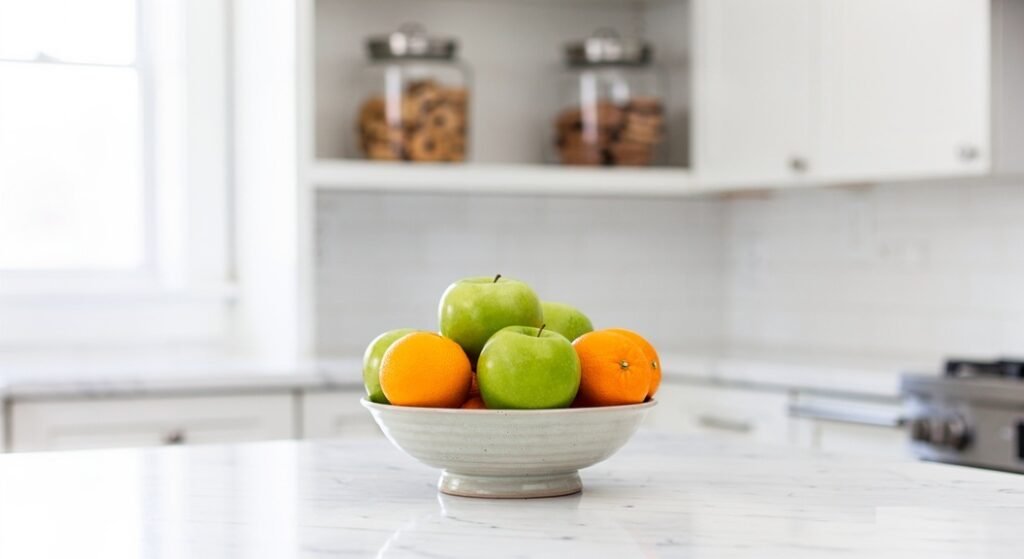
Store your junk food on the highest, hardest-to-reach pantry shelf. Place a beautiful bowl of fresh apples directly in the center of your kitchen island. This tiny adjustment completely flips your daily eating habits in a matter of days.
The same rule applies to your physical fitness goals. If you want to walk 5 miles (8 kilometers) daily, leave your sneakers by the front door. Do not hide your healthy intentions inside a dark closet.
How room layouts control habits by managing your daily visual triggers
Your daily life consists of a series of automatic reactions to what you see. These visual triggers prompt you to act without any conscious thought. If you see a television, your brain immediately wants to sit down and watch a show.
You can easily flip this dynamic to serve your greatest goals. Place a fantastic book directly on your favorite comfortable reading chair. When you walk into the room, the book acts as a visual trigger to read instead of scrolling.
You control your behavior entirely by controlling what you see most often. Hide the items that trigger your bad habits and highlight the items that spark growth. Your eyes will naturally lead your body toward better daily choices.
Claim personal territory to ensure your room layouts control habits positively
Every human being deeply needs a small space to call their own. A good environmental psychology space requires you to claim a personal territory in your home. This gives you a safe retreat when the world feels too loud or demanding.
Create a tiny corner dedicated entirely to your favorite quiet hobby. Add a comfortable chair, a warm lamp, and your favorite personal items. This designated sanctuary provides incredible emotional grounding during highly stressful weeks.
When you sit in this specific spot, your brain instantly knows it is time to relax. You do not have to force yourself to calm down. The physical space does all the heavy emotional lifting for you.
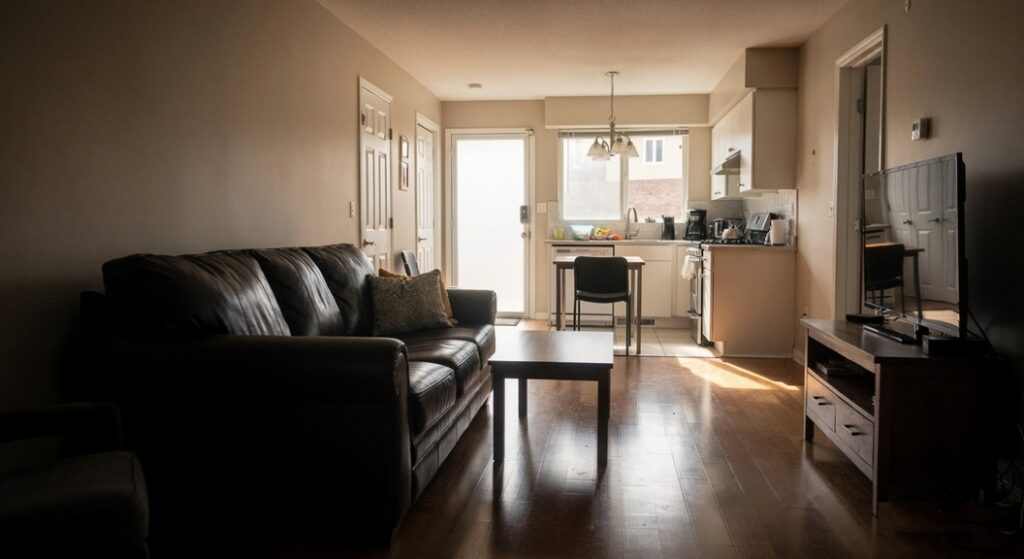
4 tools and tricks to reinforce new habits at home effortlessly
You can enhance your new layout with several smart, practical tools. These enhancements make it much easier to stick to your habits. 4 Tips To Control Your Daily Behavior:
- Behavior: Relocate your devices. For example, charge your smartphone in the kitchen instead of your bedroom so you’re not tempted to scroll late at night.
- Visual reminders: Leave sticky notes on your bathroom mirror to inspire morning thankfulness.
- Use smart plugs: Schedule your office lamps to turn off automatically at five o’clock.
- Try habit tracking: Keep a paper calendar on your fridge and mark off your daily wins.
These external tools take the load off your weary memory. You establish a support structure that just keeps you moving forward day after day.
How to build your surroundings intentionally: room layouts control behaviors.
You have unlimited power to improve your daily life by making your home better. Quit fighting a lost war against your own tired willpower. Master your space, and daily habit formation will be easier.
Right now, take ten minutes to look at your most annoying room. Grab one piece of furniture or hide one distracting object right now. These small, conscious tweaks create a significant ripple effect throughout your entire life.
At Curious Mind Hub, we believe your surroundings should strongly support your progress. You shouldn’t have to settle for a home that doesn’t make living properly feel so easy. Redesign your physical area today and see your finest behaviors finally stick.

FAQs:
- How does the design of the room affect your behavior?
The way your room is set up is what determines the paths you take, and the paths you take are what determine what you do every day. Put healthy cues out in the open and conceal distractions away, and your brain defaults to the best choice.
- What is habit environmental design?
Environmental design is the intentional design of your environment to make the right behaviors ridiculously easy and the wrong habits difficult. It takes the physical friction out of positive choices, so you never have to rely on mercurial everyday willpower.
- What is the impact of a messy room on your mental health?
If you have too much visual input in a congested area, it overloads your brain. This causes your cortisol levels to spike immediately and sets off acute baseline anxiety . It’s an ongoing environmental stress that saps your brain resources so that focusing on positive behaviours feels entirely draining.
- How do I make my room productive?
To improve your productivity, create a workspace that faces a natural light source and is completely distinct from where you sleep. Maintaining a visual clutter-free physical workspace significantly decreases mental distractions and enhances deep attention.
- What is choice architecture in interior designing?
Choice architecture is the planned arrangement of furniture and common objects to nudge your subconscious daily decisions. Your home automatically guides your brain to a much better lifestyle by making the healthiest choices the most visible and accessible.