
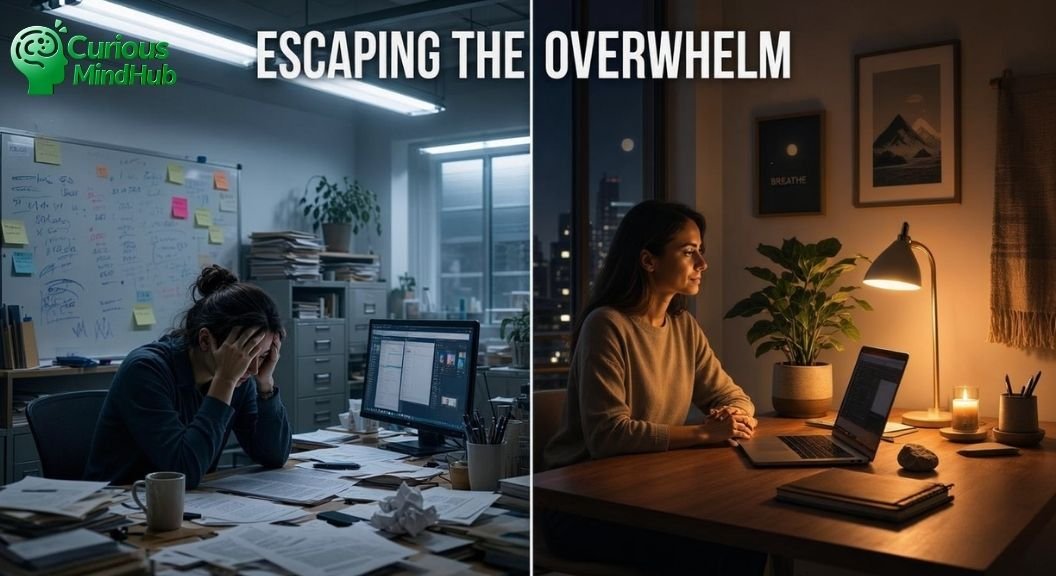

How To Create A Sensory-Friendly Workspace And Boost Focus
Do you feel totally drained at the end of your workday? The bright lights and loud noises steal your physical energy without a word. The physical environment’s impact on everyday focus is something many professionals overlook.
Imagine sitting at a workstation that soothes your nervous system. A sensory-friendly environment to accommodate your particular requirements is closer than you think. We’ll share easy, powerful adjustments that will make you more productive every single day.
The Curious Mind Hub team and Ivy Calder believe in working smarter, not harder. Let’s talk about how sensory modulation can improve your professional life.
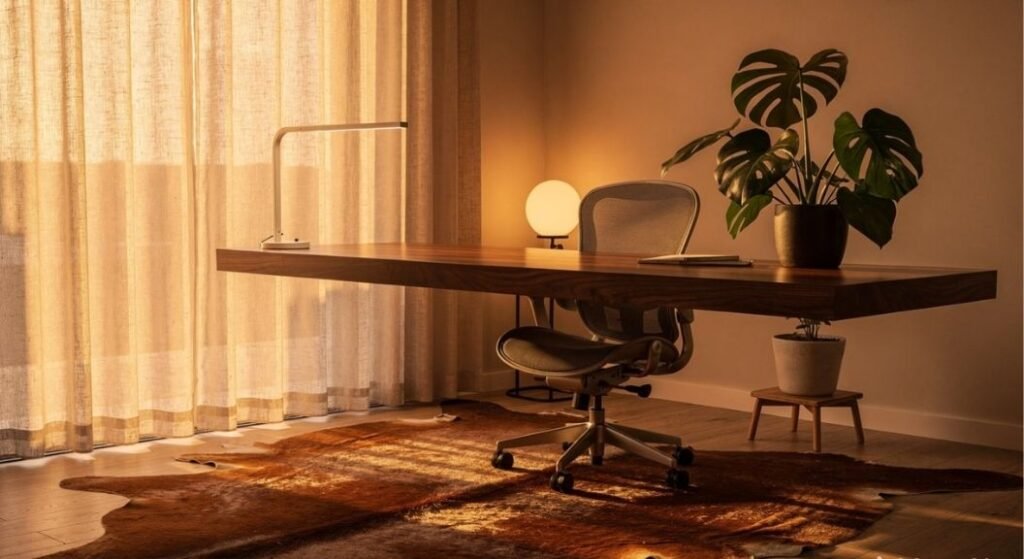
Section 1: Why should you create a sensory-friendly workspace today?
Every second, your brain processes millions of little details. A clock ticking or a light bulb flickering needs your attention all the time. This constant cerebral processing results in considerable cognitive exhaustion by lunchtime.
And researchers from Cornell University (.edu) corroborate that environmental stressors can greatly diminish worker focus. You burn precious energy blocking out background distractions. Protect your brain battery by creating a sensory-friendly workstation.
Taking charge of your environment alters how you feel every day. A quiet place allows you to concentrate on your real work. You stop battling your environment, and you start to thrive.
Section 2: Don’t Ignore Tactile Defensiveness When You Create a Sensory-Friendly Workspace
Many people entirely overlook the bodily feelings of their workplace. A scratchy chair fabric can spoil your whole morning of intense work. This extreme physical discomfort is closely related to tactile defensiveness.
Choose ergonomic furniture with care and ensure it is upholstered in comfortable, breathable fabrics. Stay away from harsh synthetics that trap heat and hurt your skin. To be able to concentrate, your body has to feel protected and supported.
Also pay special attention to your daily outfit choices. Tight waistbands or scratchy tags keep breaking your train of thought. Wear something comfortable to sustain a continuous and extremely productive flow.
Section 3: How to create a sensory-friendly workspace using natural lighting
Harsh fluorescent lights are a big problem for sensitive people. The cheap bulbs buzzed annoyingly high-pitched and flickered rapidly. You need to deliberately alter overhead illumination to protect your daily attention.
New data from WHO Europe reveals the damage low indoor lighting does to mental well-being. A natural light setup that is truly natural makes a huge difference in your everyday mood. Natural sunshine keeps your internal clock ticking and wards against sluggishness in the afternoon.
No giant windows? Think about ADHD-friendly office lighting for focus. Warm up the room with adjustable desk lamps with warm-toned LED bulbs. I prefer a soft glow over the glare of an operating room any day.
Section 4: 5 recommendations for designing a sensory-friendly home office for neurodivergent people
A few conscious choices are needed to create the ideal space. Discover 5 must-know ideas for building a sensory-friendly home office for neurodivergent people.
- Control the glare: Don’t position your workstation in direct, blazing sunshine that might cause eye strain.
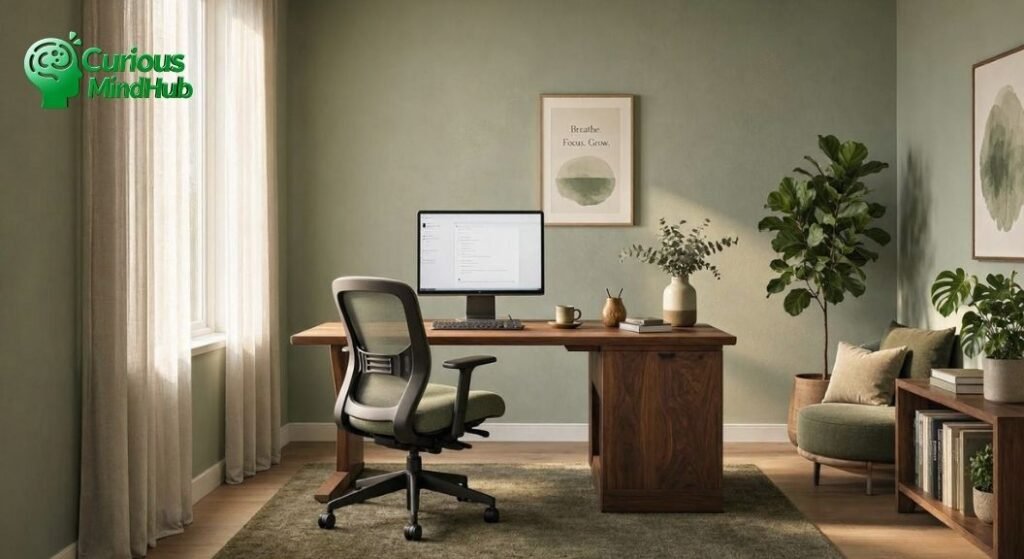
- Choose muted hues. Stick with soft, peaceful colors for your walls, such as sage green or pastel blue.
- Add soothing textures: Place a soft, comfy rug under your feet to ground your physical sensations.
- Avoid strong scents: Keep away from harsh chemical cleansers or overpowering air fresheners near your desk.
- Set Physical Boundaries: Use a bookcase to separate your workspace from your relaxing space.
Simple tactics for designing a neurodivergent home office make a big difference. You design a beautiful world that respects your individual sensory needs.
Section 5: How to build a sensory area at home to help manage your nervous system
Your house needs a designated emotional management space. This is the zone that lets you recover after a very stressful Zoom conference. It takes conscious intention to build a good sensory-regulation office environment.
Find a peaceful spot in your residence, away from the hustle and bustle. Fill this area with things that provide immediate physical comfort. If you ever feel overwhelmed, you can come to our haven.
Just ten minutes in a tranquil zone will shift your nervous system altogether. You go back to your main desk revitalized and completely grounded. Make this recovery place a priority to preserve your everyday stamina.
Section 6: Master noise control to successfully create a sensory-friendly workspace
Out of nowhere, strange sounds break your concentration. A quick bark from a dog or a loud siren pulls you right out of your task. You need to kill the background noise to defend your precious attention span.
Sub-section 6.1: Detecting disruptive background frequencies
First, sit still at your workplace for five minutes. Listen carefully to the humming refrigerator or the buzzing air conditioner. Getting to those hidden annoyances means you can fix the root cause quickly.
Sub-section 6.2: Use simple acoustic-dampening materials
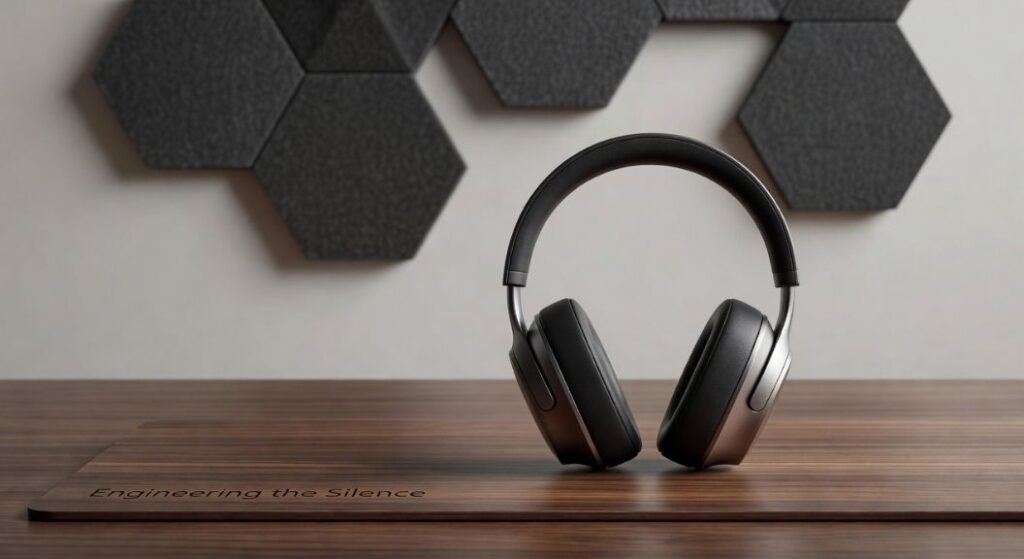
Hardwood floors and bare walls make the sound ricochet around the room forever. Add weight to the draperies and the furnishings to absorb these chaotic echoes. Good noise reduction technologies for auditory processing can make your environment feel considerably calmer instantaneously.
Sub-section 6.3: Pink noise use for auditory regulation
In fact, little noises sound considerably louder in total silence. Use high-quality speakers to play mild pink noise to obscure any sudden interruptions. Pink noise sounds like a flowing river and is especially effective for deep, continuous focus.
Section 7: 7 creative and cozy sensory corner ideas for your home office
You can easily transform a boring corner into a comforting retreat. Use these 7 creative and cozy sensory corner ideas for your home office.
- Bean bag chairs: These offer flexible seating that molds directly to your body shape.
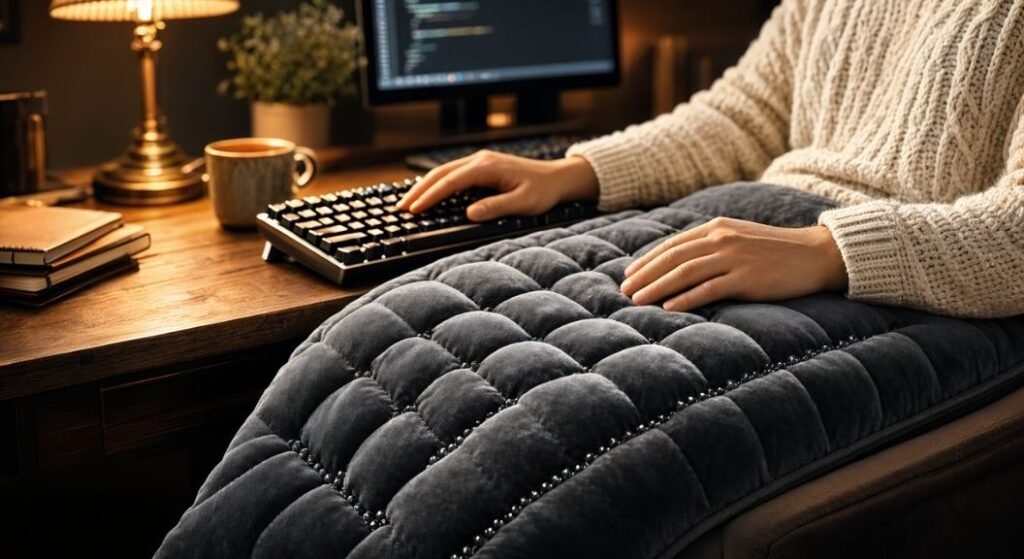
- Weighted lap pads: The heavy fabric provides instant, grounding pressure during stressful tasks.
- Fidget tool baskets: Keep quiet spinners or soft putty nearby to keep restless hands busy.
- Dimmable floor lamps: Adjustable lighting lets you control the exact mood of your corner.
- Noise-canceling headphones: High-quality ear protection instantly blocks out domestic chaos.
- Textured floor mats: A bumpy massage mat stimulates your bare feet pleasantly.
- Indoor plants: Greenery naturally cleans the air and connects you with nature.
Section 8: How to design a sensory-friendly workplace for autistic adults
Adults on the spectrum tend to need very predictable employment environments. Avoidable tension and anxiety can be caused by sudden environmental changes. Thoughtful autism-friendly modifications to the work environment provide a strong foundation for success.
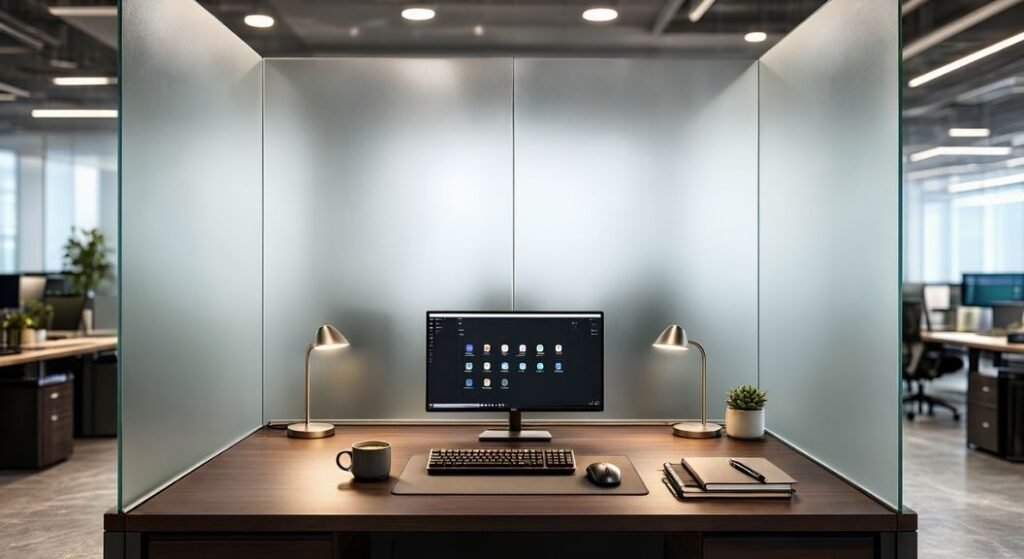
Many autistic adults have sensory processing impairments, data from the Centers for Disease Control and Prevention (CDC.gov) suggests. Employers and telecommuters need to promote sensory consistency rather than trend-aware, open-plan arrangements. A peaceful, private workstation will always trump a raucous, shared desk pod.
Follow your everyday arrangement to make comfortable routines. If the actual space around you is predictable, your mind feels amazingly comfortable. This baseline safety allows your greatest, most creative work to come through.
Section 9: Eliminate visual clutter to efficiently create a sensory-friendly workspace
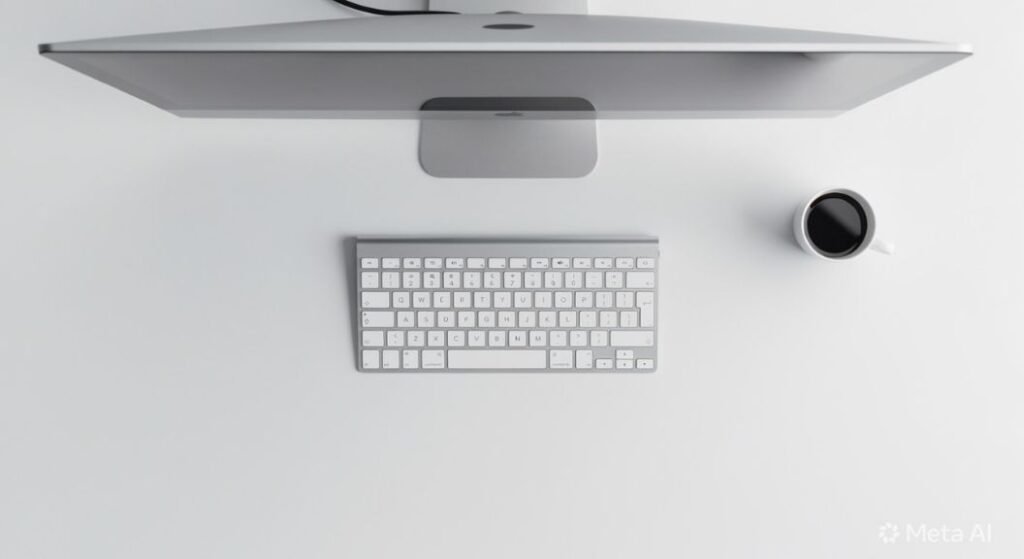
A messy desk directly creates a highly distracted mind. Stacks of paper and scattered pens constantly grab your visual attention. You must organize visual clutter to give your eyes a much-needed break.
Practicing good visual hygiene involves clearing your desk completely every evening. Put your pens in a drawer and file your loose papers away immediately. A blank surface invites calm, focused energy the next morning.
Use closed storage cabinets instead of open, messy shelving units. Hiding your supplies behind solid doors reduces your daily visual input drastically. Your eyes can finally rest when they see clean, empty spaces.
Section 10: How to select deep pressure tools to create a sensory-friendly workspace
Sometimes your body craves firm, reassuring physical pressure to feel safe. This concept involves using deep pressure therapy to calm an overactive nervous system. It works exactly like a firm, comforting hug from a trusted friend.
You can wear a subtly weighted vest while typing at your computer. A heavy lap pad also provides excellent grounding feedback during long video calls. These simple tools tell your brain to slow down and relax completely.
Always choose a weight that feels comforting, never restrictive or overly heavy. This gentle physical pressure lowers your heart rate and reduces daily anxiety naturally.

Section 11: Are you experiencing sensory overload before you create a sensory-friendly workspace?
Do you ever feel like you want to jump right out of your skin? Sensory overload—open plan—when your brain is getting too much input at once. Your heart beats faster, your palms sweat, and you can’t concentrate.
The home office setting, according to Eurostat studies, typically lacks sufficient boundaries, raising input and times of stress. The dog barks, and the phone rings. You lock up. Recognizing these warning indicators early allows you to get out before the accident.
You need to move immediately when you sense this panic building up. Go outside or go to your calm sensory space right away.
Section 12: 4 Occupational Therapy Techniques for Creating a Sensory-Friendly Workspace
Occupational therapists use and utilize particular approaches to meet sensory needs in daily life efficiently. Explore these four occupational therapy tactics to help create a sensory-friendly environment.
- Active sitting: Swap your rigid chair with an active sitting cushion and activate your core.
- Scheduled movement: Set a timer to remind yourself to stand up and stretch your legs every 45 minutes.
- Heavy working tasks. Press your palms against a solid wall with force to ground your neurological system.
- Oral sensory stimulation. Chew on safe textured jewelry or strong mint gum.
These occupational therapy sensory spaces help you stay balanced in your body. A joyful, comfortable body will automatically follow with a bright, concentrated mind.
Section 13: Regulate room temperature and airflow to create a sensory-friendly workspace
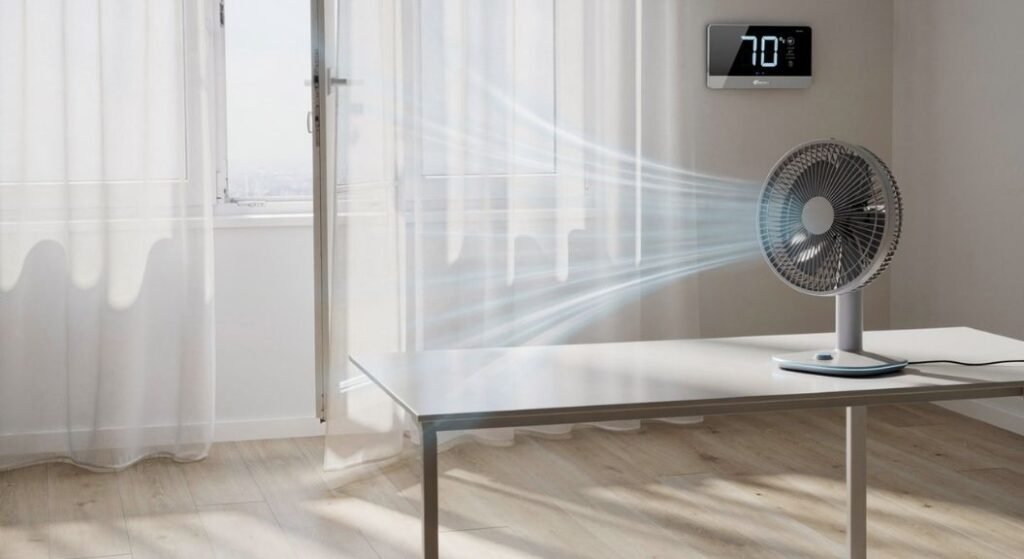
When a room is excessively hot, you feel sluggish and grumpy. A chilly room makes your muscles uncomfortably cramp up. You have to regulate the room temperature to maintain a continuous, comfortable workflow.
Keep your work area at 68 to 72 degrees Fahrenheit (20 to 22 degrees Celsius). This exact temperature range keeps the physical distraction out and supports mental concentration wonderfully. If the room feels stuffy, a small workflow fan is great for improving airflow.
Fresh air transforms the whole dynamic of a stagnant home office. Leave a window open for 10 minutes to clear away the accumulated carbon dioxide. Breathing fresh air instantly refreshes a tired brain.
Section 14: Daily Ways to Maintain Your Mind-Friendly Environment
Creating your dream surroundings is not a one-off endeavor. You have to be aware of how your physical environment influences your day-to-day mood. Include sensory pauses in your daily routine to keep your senses keen.
A peer-reviewed study on PStuffy concludes that short, organized breaks significantly minimize mental weariness. Take a break from your glowing screens during these important rest moments. Close your eyes and focus on the calm, steady breathing.
You keep your workspace tidy and block out ambient noise to stay calm. You deserve a workstation that accommodates the entire range of your unique human intellect. Enjoy your new well-organized daily schedule.
FAQs:
- How can you lessen sensory overload in an open-plan office?
You may prevent sensory overload by offering quiet spaces, noise-canceling headphones, and privacy screens to set clear physical boundaries that limit visual distractions.
- What kind of lighting is best for a sensory-friendly workspace?
Replace the glaring, flickering overhead fluorescent lighting with gentle, adjustable LED desk lamps or smart bulbs. You’ll also want to take advantage of natural sunlight, but use sheer shades to avoid glare on screens.
- How do you construct a neurodivergent employee’s office?
Create a highly adaptable setting with various sensory zones—quiet, dimly lit rooms for deep concentration; comfortable ergonomic sitting options—to give employees a choice that meets their present needs.
- What is a sensory space at work?
A sensory room is a dedicated, distraction-free location with comfortable chairs, adjustable lighting, and relaxing items where employees can withdraw swiftly to reset their nervous system.
- What is the importance of a sensory-friendly office?
A sensory-friendly setting actively lowers cognitive fatigue and physical discomfort. This helps all employees to be more focused, to reduce daily stress, and to boost their overall productivity naturally.