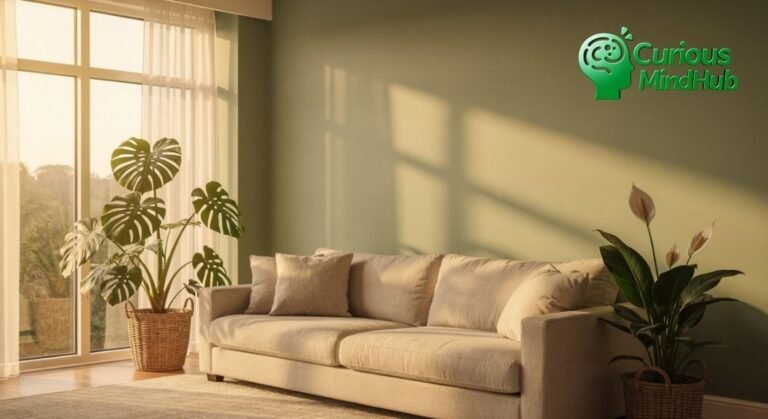
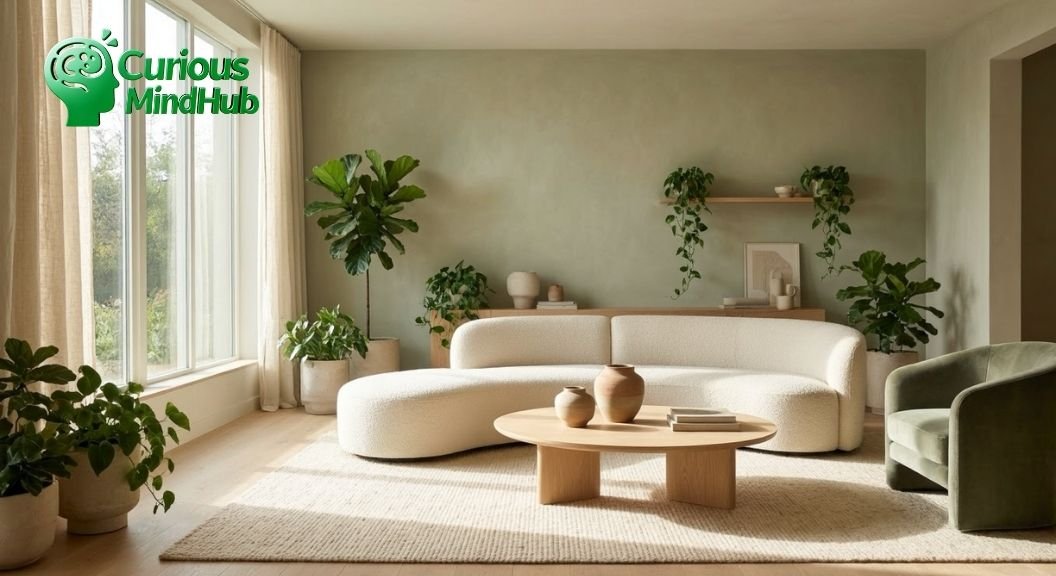

Heal Your Mind With Nervous System Spatial Design
Have you ever entered a room and suddenly felt your shoulders drop? Or perhaps you were in a place, and you suddenly felt anxious? Your environment always controls your state. The EPA (.gov) says we spend over 90 percent of our lives indoors in the United States. But many homes today add to our everyday stress level.
Imagine yourself building a true retreat in your home. Once you understand the nervous system’s spatial design, you can literally rewire your brain for tranquility. This method lets you pull yourself out of the outside world’s mess. Let’s look at how to create a tranquil environment that will support your mental health and daily wellness.
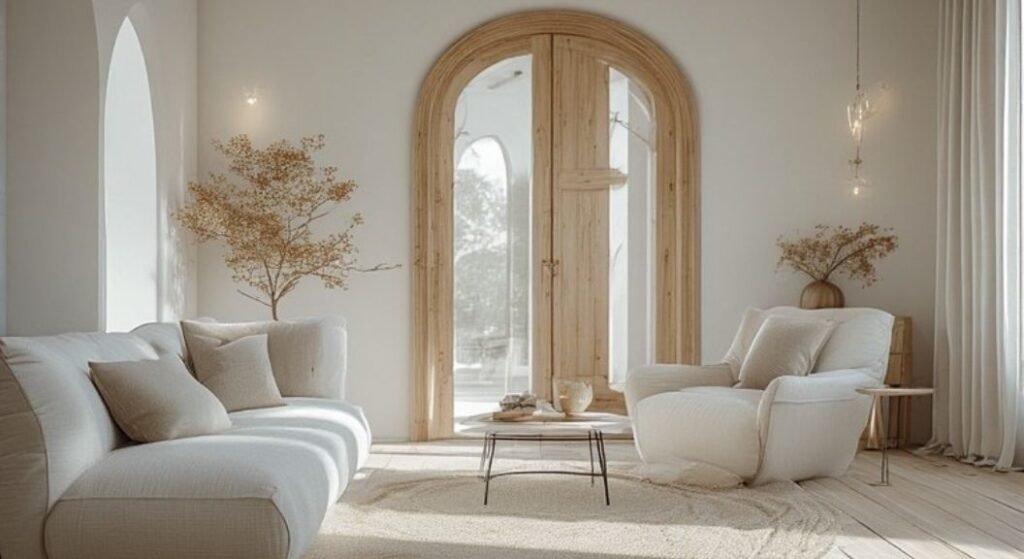
What Is Nervous System Spatial Design?
This idea is significantly more than just beautifying a room. It’s the mix of psychology, biology, and home styling to produce a somatic therapeutic environment. Every texture, hue, and arrangement you create has a biochemical impact on your stress responses. You’re creating for your brain, not just your eyes.
Consider this discipline to be the architecture of spatial well-being. When you use these conscious concepts, you take your brain out of fight-or-flight. It turns on your parasympathetic response, which lets your body safely rest, digest, and restore itself.
Researchers at schools like Harvard University (.edu) are investigating how physical settings affect our cognitive function. Intentional surroundings, they discovered, result in significant cortisol reduction. This science shows that your house can practically heal your brain.
Why Is Your Home Causing Anxiety and Stress?
Ever been in a situation where a cluttered counter suddenly makes you feel overwhelmed? That’s a sensory overload, live. Our brains are always looking around for safety. Our primordial minds see visual cacophony as a warning signal, and it keeps us on our toes.
Cramped furniture and poor lighting trap stagnant energy. When you aren’t able to move your body freely, it literally tightens up. Environmental stressors are a major cause of modern urban burnout in Europe, according to the World Health Organization Europe.
Even the wrong color of a wall can make your heart race. If your home isn’t filled with soothing environmental aesthetics, your mind is always on high alert. Walls that scream for attention don’t let you relax.
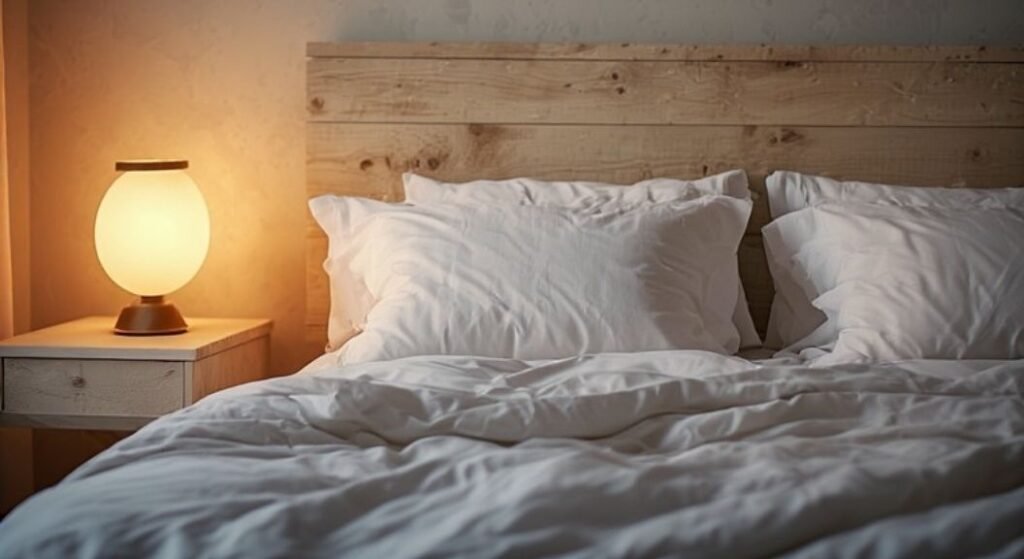
How to Start Your Nervous System Spatial Design Journey
The best way to begin is by observing your current physical reactions. Walk into each room and notice how your body feels right now. Does your chest tighten? Do you breathe easier? Trust these subtle physical cues.
Next, you want to regulate your nervous system at home by tackling one small area at a time. Do not attempt a massive house overhaul in a single weekend. That will only cause more unnecessary stress and swift burnout.
Start with a corner where you spend the most downtime. You might design a sensory room or just a simple reading nook. Introduce soft elements that bring you genuine comfort and pure joy.
How to Regulate Emotions Using Spatial Wellness
Your emotions are highly responsive to your physical boundaries. When you feel anxious, you naturally crave safety and containment. A cozy chair tucked into a quiet corner provides immense psychological security.
Applying trauma-informed interior design means giving yourself clear choices within your space. Arrange your seating so you always have a clear view of the door. This simple shift stops your brain from subconscious threat-monitoring.
You can also anchor your emotions with deeply meaningful objects. Display a piece of art or a cherished photo that evokes happy memories. These positive visual cues interrupt anxious thought loops almost instantly.
How to Choose Colors for Nervous System Spatial Design
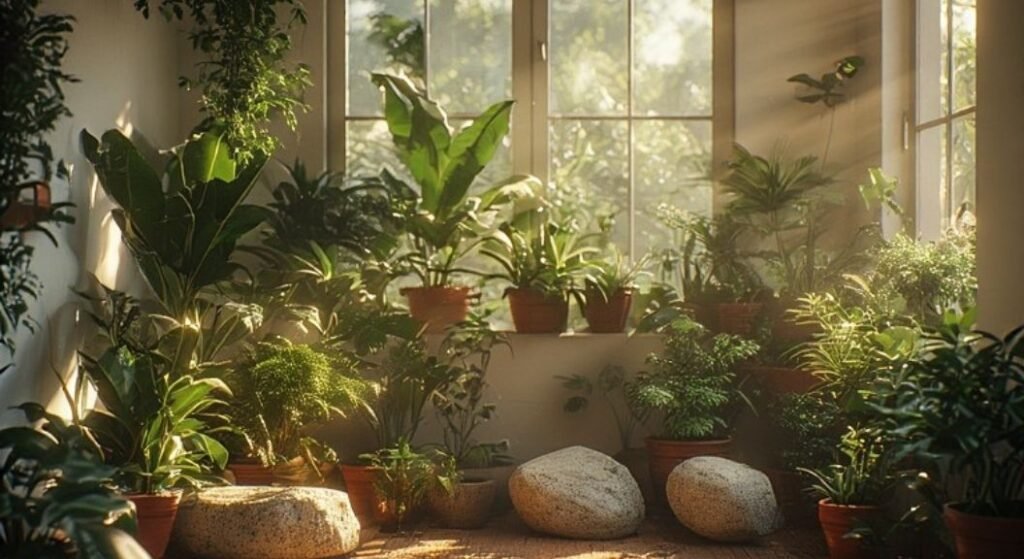
Color psychology plays a massive role in how you feel daily. To foster peace, you must choose soothing paint colors that mimic the natural outdoor world. Think soft sage greens, muted terracottas, and warm sandy beiges.
Bright, highly saturated colors like fire-engine red stimulate the brain quickly. They increase energy but can also provoke serious irritability. Save those bold shades for brief accent pieces, never your main bedroom walls.
A study published in PubMed highlights how viewing green spaces naturally lowers human heart rates. Painting your walls in natural hues brings that calming outdoor effect directly into your daily indoor life.
How to Arrange Furniture for Maximum Flow and Peace
Furniture placement dictates exactly how energy moves through a room. If you constantly bump into a coffee table, your brain registers sharp frustration. Clear pathways remain necessary for a calm, healthy mind.
Pull your sofa away from the wall to create a floating layout. This simple trick makes the room feel much larger and more breathable. It prevents the space from feeling cramped or physically restrictive.
Aim for symmetry where possible, but keep it feeling organic. Symmetrical arrangements please the human eye and reduce cognitive load. Your brain processes the room faster, leaving more energy for deep relaxation.
7 Best Textures for Your Nervous System Spatial Design
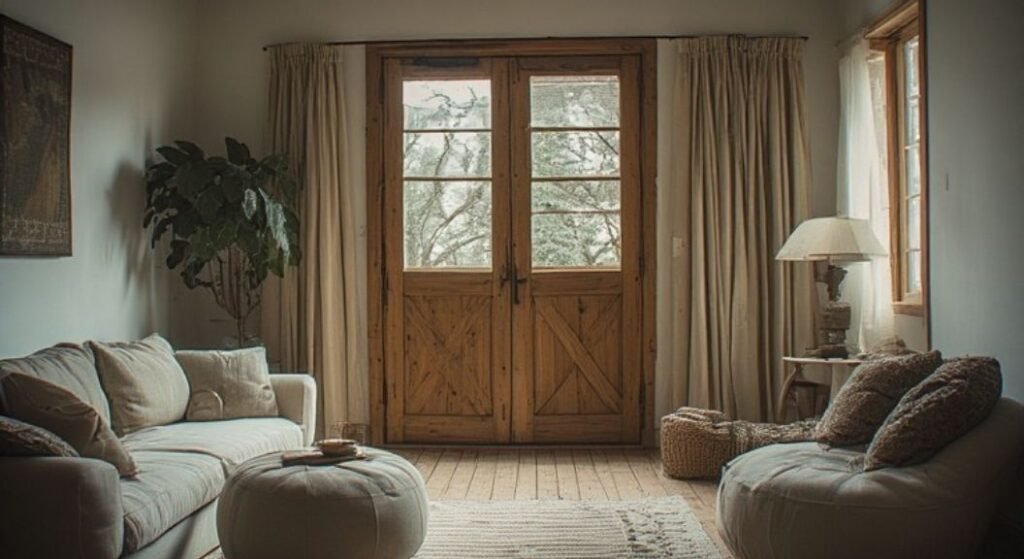
Touch remains intimately associated with our emotional regulation. The correct tactile experiences integrated bring rapid relief from tension in home decor. Be surrounded by things that feel good on your skin.
7 Textures that comfort the human senses:
- Chunky Knit Blankets: soothing, mild physical weight.
- Natural Linen: Breathable and gentle against your skin.
- Velvet Cushions: They provide a rich, profoundly calming tactile feeling.
- Unfinished Wood: This is a material that directly ties to the grounding nature.
- Faux Fur Rugs: They feel so great on bare feet.
- Matte Ceramics: These remain smooth and cool to the daily touch.
- Woven Rattan: Offers subtle visual interest without assaulting the eye.
These materials can be combined to create a rich, inviting space. During the day, your hands will automatically go for these soothing surfaces.
5 Lighting Types That Soothe The Mind
Harsh overhead lighting is a huge trigger for daily anxiety. It’s time to reassess the way you light your own sanctuary. Light controls your circadian rhythm. And your emotions generally.
Try these five lighting strategies:
- Dimmable LEDs: These let you control the exact mood of the room.
- Salt Lamps: They give out a nice, very soft amber glow.
- Candlelight: The flickering flame is a natural balancer for a speeding mind.
- Paper Lanterns: They soften harsh lighting to a gentle, glowing glow.
- Task Lamps: These put light where you need it most.
Layering these settings will avoid the glaring hospital appearance. Let us look at some particular lighting schemes in a little more detail.
The Power of Warm Ambient Lighting
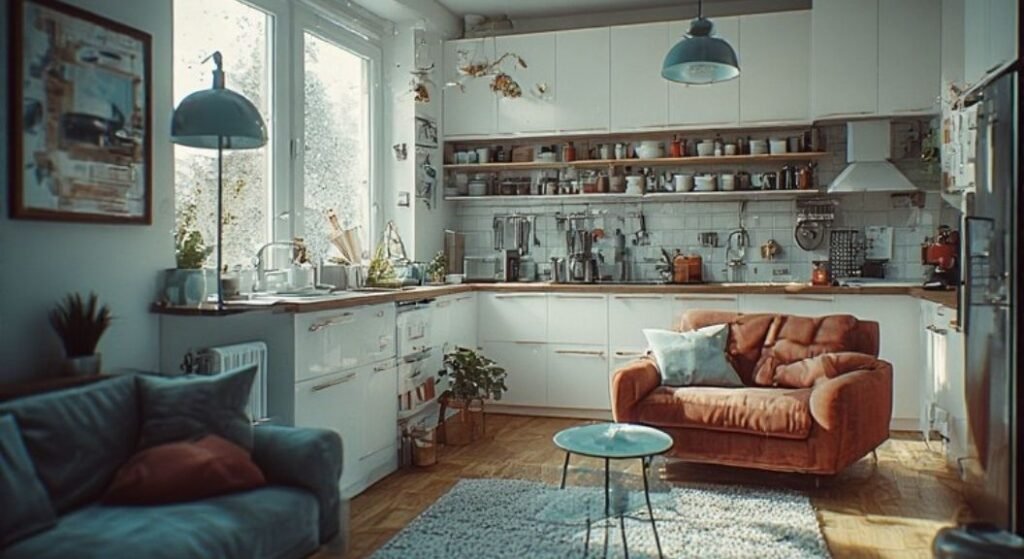
Ambient lighting is the soft baseline of your entire room. It should be near the faint glow of a setting sun. This alteration indicates to your brain that the day is finally coming to a close.
Look for lightbulbs with a color temperature of around 2700K. This warm spectrum stimulates your body to naturally release melatonin. It prepares you nicely for a night of deep, restorative sleep.
Harnessing Natural Sunlight in the Spatial Design of the Nervous System
Never underestimate the power of healing in bright daylight. Pull the blinds wide open every single morning to welcome the sun. Sunlight controls your internal clock, helping you balance your energy levels during the day.
Place your workstation or preferred reading chair next to a sunny window. Sunlight increases the production of serotonin, the hormone that makes us feel happy. It’s free and accessible and makes a big difference to your mental health.
Keeping harsh blue lights out of your bedroom.
Blue light from displays and cool LED bulbs messes up your sleep cycle. It confuses your brain into thinking it’s still high noon. This light gives you a cortisol increase precisely when you need to slumber.
Avoid screens in the bedroom, if feasible. Have real physical books at night and warm bedroom lighting. This modest digital detox will be a welcome relief for your nervous system.
10 Reasons Nervous System Spatial Design Improves Sleep
And a well-designed bedroom is your best defense against sleepless nights. When your area is really safe, your body can finally let go and relax into rest. You feel fresh, ready for a new day.
Here is why this design style works exactly:
- Calms the Heart Rate: Calm images can actually slow your resting pulse.
- Reduces Intrusive Thoughts: Less clutter = a calmer mind.
- Melatonin booster: Warm lighting helps the production of the natural sleep hormone.
- Temperature Regulation: Breathable textiles keep you cool.
- Enhances Breathing: Open design eliminates sensations of tight confinement.
- Increases Security: Proper furniture placement helps you feel very safe.
- Dampened distractions: Acoustic control mutes the sound of the night.
- Soothes the eyes – soft colors avoid visual overstimulation before sleep.
- Soft textures offer deep physical comfort. Grounds the Body.
Signals Routine: A sleep sanctuary to develop healthy resting habits.
Keep your bedroom at about 65°F (18°C) to promote these natural sleep patterns. A cooler room allows your core body temperature to drop efficiently.
3 Essential Elements for a Healing Room
If you’re only making a few changes, stick to the essentials. A true sensory room layout has certain components it needs to work. You don’t have to acquire pricey things for this.
Make sure you add these three:
- Grounding object: Weighted blanket or thick floor cushion.
- Nature Connection: Add a healthy houseplant or a piece of natural wood.
- A Sensory Anchor: Diffuse relaxing lavender essential oils.
The three things go together in a beautiful way in any room. They appeal to your touch, sight, and scent to create a really soothing environment.
Stop Ignoring Clutter in your spatial design of the nervous system
Declutter for mental health: How to find real calm. Huge visual irritants are mountains of mail and overflowing laundry baskets. They’re a continual reminder of work left undone and duties to be done.
A messy space is a direct reflection of a messy mentality. Spend 10 minutes each night clearing your main flat surfaces. A clean kitchen counter when you wake up makes a good beginning.
Store things that are not attractive in confined storage. Baskets and solid door cabinets easily cover the debris. With all the visual chaos gone, your eyes can finally relax.

Start Using Biophilic Elements for Deep Rest
Humans have a biological imperative to connect with the natural environment. Bringing the healing power of nature within with biophilic design concepts. Good for blood pressure and reduces daily worry quite a bit.
Incorporate lush green plants, a few water features, or raw stone accents. These organic details offer a strong sense of physical anchoring. You feel more connected to the ground. Even in an apartment.
CDC studies show that surroundings associated with nature promote overall public health. You bring the outside in and construct a sustainable living paradise for your thoughts.
Unlock Deep Relaxation with Spatial Design of the Nervous System.
Real relaxation is not a luxury. It is a biological necessity. When you purposefully design your environment, you are choosing your well-being. This idea lies at the heart of the neuroarchitecture of anxiety.
Treat your home like your number one self-care tool every day. Take your time to choose the textures, colors and layouts that work for you. You deserve a space that cradles you lovingly through the terrible times.
Remember thatcolors,process is a continuously changing process. As your demands evolve, your physical space should adjust with you. Keep changing your environment until it seems right for you.
Learn the Acoustic Control in Your Healing Space
Sound has a big impact on your stress levels, usually without you ever noticing it. You want real spatial wellness? Lower ambient noise. Sounds of traffic or echoing rooms keep you on edge.
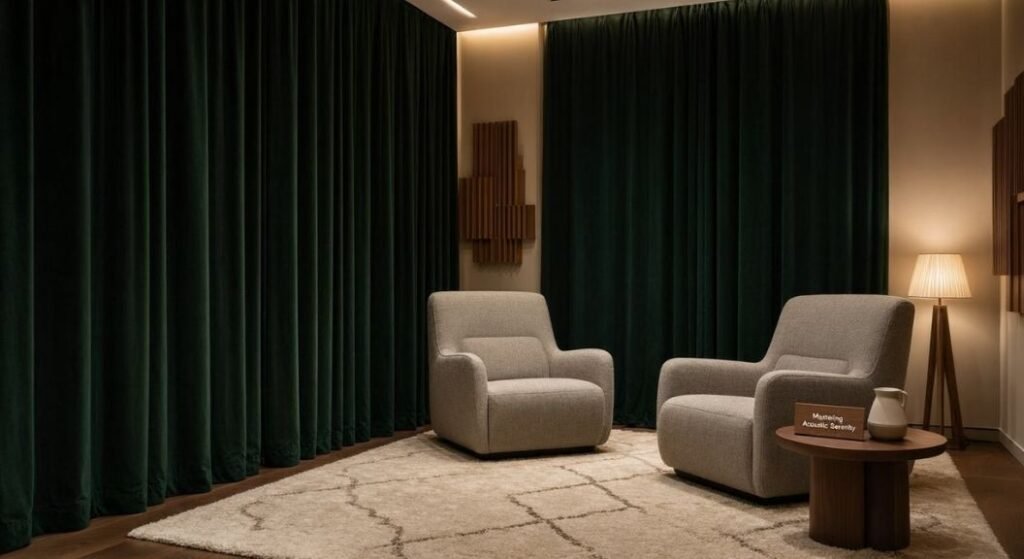
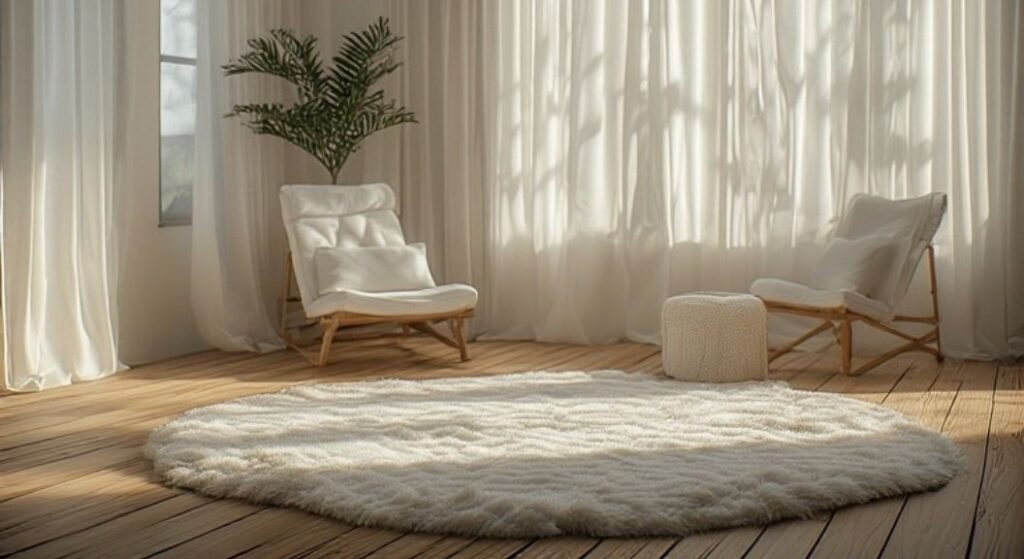
Look for rooms with heavy drapes, soft couches, and large area rugs. These soft materials absorb sound waves and get rid of unpleasant echoes within. Suddenly your home will seem so much quieter and so much more cozy.
Use a white noise machine or a water fountain that plays quietly. The pleasant background sounds do an excellent job of masking abrupt, disturbing noises. This ultimate level of sensory control is the cherry on top of your well-planned peaceful house.
FAQs;
How does interior design influence the nervous system?
Your physical surroundings continuously provoke neurological responses, with messy environments or strong lights jolting cortisol levels, while soft textures and regulated spaces stimulate your parasympathetic nervous system, bringing about relaxation.
What are the best colors for the nervous system?
Muted, nature-inspired tones such as soft sage green, warm sandy beige, and mild sky blue work wonders to lower your heart rate and reduce sensory overload.
What is neuroarchitecture? How does it help alleviate anxiety?
Neuroarchitecture is the fusion of neuroscience and architecture. It focuses on designing settings that actively enhance mental well-being through things such as natural sunshine and organic shapes to reduce stress .
How to design an adult sensory room for stress?
Design an adult sensory room by reducing visual clutter, adding sound-absorstress.tures, and overlaying tunable, pleasant ambient lighting with grounding features like weighted blankets.
What are biophilic design aspects for a house?
Biophilic design is about bringing nature into your living space. This might be indoor house plants, raw wood textures, natural daylight and water features. All these aspects structurally rebuild your connection to the outdoors.