


How to Break Your Emotional Spending Cycle Right Now
Do you ever buy stuff to make a rough day feel better? When work feels like too much, you browse internet shops. That little pop of pleasure from a quick buy is what keeps you coming back for more. But this momentary delight conceals a deadly financial trap. You have to stop buying items you don’t need.
You can break this anxious loop. Knowing your budget is not enough to get you out of an emotional spending cycle. You need to know your thinking. We will study powerful psychological strategies to take back your control. Let’s establish healthier habits to manage money without worry today.
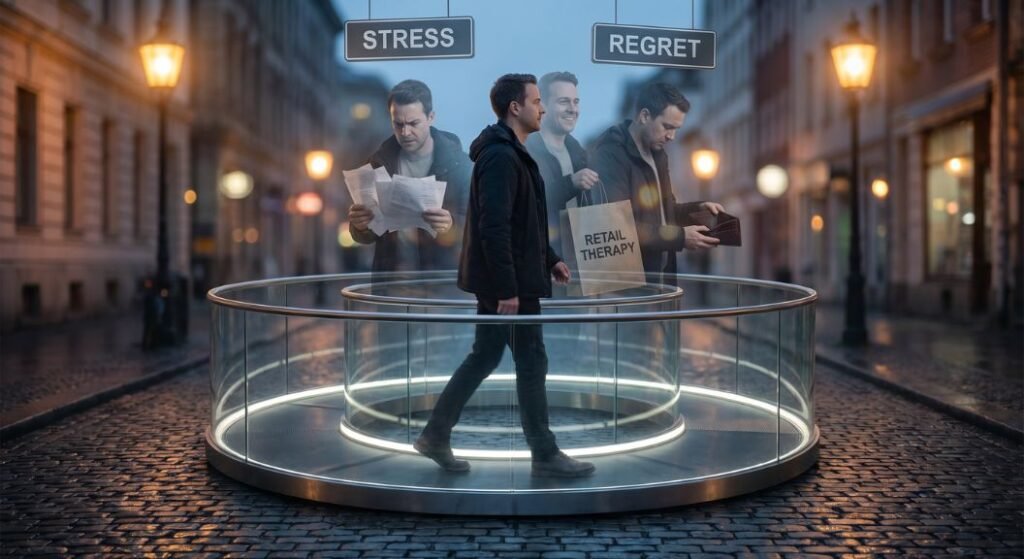
What Is an Emotional Spending Cycle, Exactly?
An emotional spending cycle is when you buy things to manage how you feel on the inside. You shop to celebrate, to ease sadness, or to avoid boredom. This means your feelings closely connect to your pocketbook. Experts call this harmful trend stress-induced shopping.
The cycle starts with a trigger, then a purchase, and ends in remorse. It gives you a little relief, but it goes away really fast. Such behavior leavesSuch behavior leaves you feeling empty and financially stressed. Understanding behavioral finance lets you break this tedious circle for good.
How an emotional spending cycle bleeds money out of your bank account
Impulse purchases don’t seem like such a big deal at first sight. A five-dollar latte or a twenty-dollar garment means nothing to your fatigued mind. But those small purchases can lead to significant losses over time. This emotional spending cycle gradually erodes your long-term wealth.
When you purchase to cope, you completely disregard your financial objectives. You drain away savings accounts for emergencies or future goals. This might lead to a lot of regret when the credit card statement arrives for spontaneous purchases. You trade future security for present pleasure.

5 Hidden Triggers That Fuel Your Emotional Spending Cycle
Your brain reacts to hidden stimuli without your knowledge. A difficult meeting at work typically triggers a sudden drive to shop online. A new automobile from a buddy brings up a deep scarcity mentality. These hidden spending triggers keep you stuck in a cycle of emotional spending.
Common triggers are weariness, hunger, loneliness, jealousy, or plain old boredom. When you feel empty, your brain looks for an easy, rapid reward. You must know your shopping triggers to reclaim your power. Your first line of protection is always awareness. Your first line of protection is always awareness.
How to Determine What Triggers Your Emotional Spending Cycle
You can’t change something you don’t comprehend. Explore the reasons behind your daily purchases. The feeling you want to create when you open a store app. This thorough reflection immediately breaks the emotional spending loop.
Next, review your old bank statements to identify any obvious spending habits. Mark down the dates and timings of your biggest impulse buys. “Did you buy those after a very stressful incident?” Mapping these times helps you start successful financial behavior transformation.
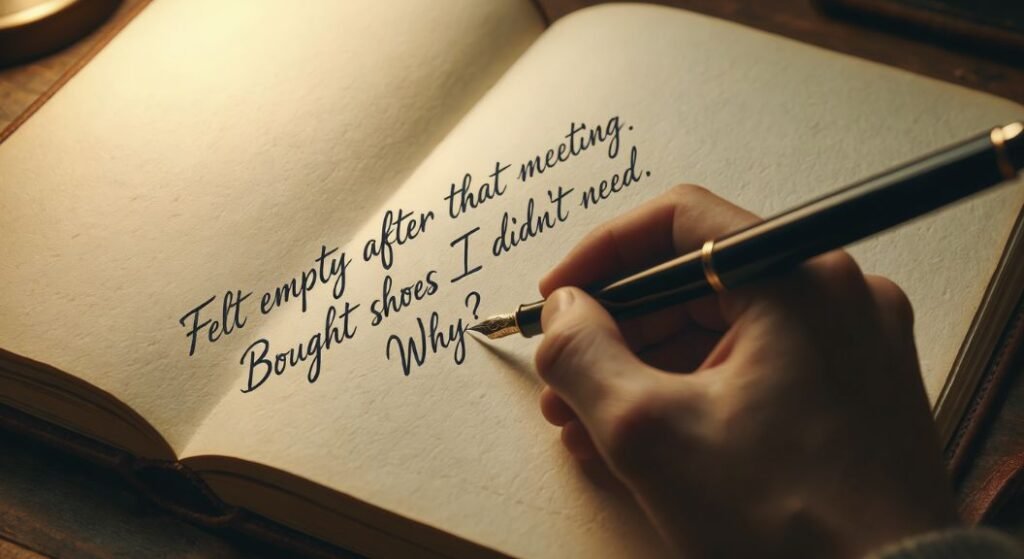
Using Journaling to Track Your Emotional Spending Cycle
Keep a small notebook dedicated to your daily feelings and finances. Write down your exact mood right before you make a purchase. This simple habit connects your emotional state to your spending patterns. Journaling exposes the hidden mechanics of your emotional spending cycle.
Write down how you feel ten minutes after buying the item. You will often notice a sharp drop in your overall happiness. Tracking this emotional crash helps you overcome retail therapy urges over time. You start to see the retail illusion clearly.
Recognizing Physical Cues During an Emotional Spending Cycle
Your body reacts physically before your mind reaches for a credit card. You might feel a tight chest when intense anxiety strikes. Your breathing might become shallow when you feel bored or lonely. These physical cues constantly ignite your emotional spending cycle. Pay attention to these bodily sensations during your day. When you feel a tense jaw, pause and take a deep breath. Stop the physical reaction to avoid making a financial mistake. This somatic awareness supports lasting mindful consumption habits.
7 Actionable Steps to Halt an Emotional Spending Cycle
First, wait twenty-four hours before buying any non-essential item. Second, immediately unsubscribe from all those tempting retail email newsletters. Third, make sure to remove your saved credit card information from your favorite websites. These steps add necessary friction to your emotional spending cycle.
Fourth, create a mindful budget that includes a small leisure allowance. Fifth, block online shopping sites on your computer during work hours. Sixth, carry only cash for your daily personal expenses. Seventh, tell a trusted friend about your financial goals for accountability.
Why Willpower Alone Cannot Cure an Emotional Spending Cycle
Willpower functions like a fragile muscle that tires out quickly. After a long day of making decisions, your mental defenses collapse. You cannot rely on willpower to fight retail therapy addiction. A strong emotional spending cycle easily defeats a tired mind.
Instead of willpower, you need strong environmental boundaries. You must design your life so that spending money requires immense effort. Systems protect you when your motivation naturally drops. Good systems always outperform raw willpower in personal finance.
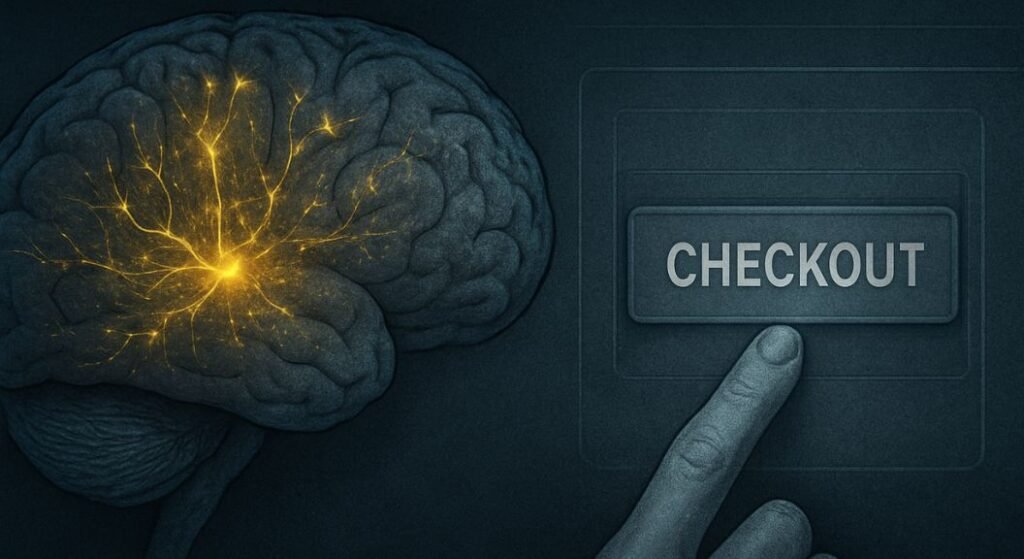
Stop the dopamine chase in your emotional spending cycle.
Shopping triggers a tremendous release of dopamine in your brain. As soon as you hit the buy button, you get a surge of pleasure. But the chemical high wears out before the box even gets there. The cycle of emotional spending is simply chasing this ephemeral physiological reward.
It’s not the thing your brain wants; it’s the thing you’re going to purchase. Master this biological trick to break the spending spell totally. Ways to activate dopamine are free, too, such as strolling outside or listening to music. You can feed your brain without paying money.
How to Set Healthy Boundaries for Your Emotions, Such as a Cycle
Create specific rules on how you make money decisions each day. Which specific categories bring out your worst shopping tendencies? tendencies? Put a rigorous limit on spending on clothes and electronics. electronics? ng out. Firm boundaries safeguard you from an emotional spending spree that could be harmful.
A physical barrier is leaving your credit cards at home. Just bring the quantity of cash you’ll need for the day. This little restriction makes you stop and examine every purchase. Money makes you a better person through conscious constraints.
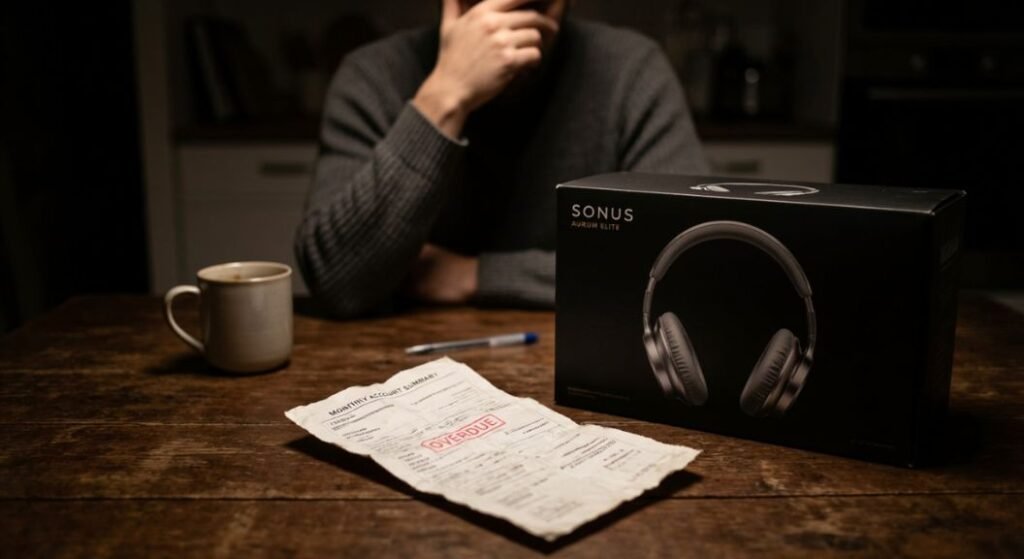
4 Common Mistakes People Make Fighting an Emotional Spending Cycle
Many people try to stop spending money all at once. This extreme restriction often leads to a massive shopping binge later. Another mistake involves ignoring the emotional pain that causes the spending. You cannot cure an emotional spending cycle by ignoring your feelings.
A third mistake is failing to track small, daily purchases. A fourth mistake involves keeping toxic shopping apps on your phone. You must replace the bad habit rather than just removing it. Avoid these traps to ensure your financial recovery lasts.
Substitute Healthy Habits to Replace Your Emotional Spending Cycle
You must fill the void left by shopping with positive actions. When stress hits, go for a brisk run instead of opening Amazon. Call a trusted friend when you feel deeply lonely or isolated. Healthy substitutes dismantle your emotional spending cycle effectively.
Engage your hands and mind in creative, free hobbies. Start baking, drawing, or reading books from your local library. These activities provide deep satisfaction without draining your bank account. You heal the underlying psychological triggers for buying through genuine engagement.
How an Emotional Spending Cycle Impacts Your Mental Health
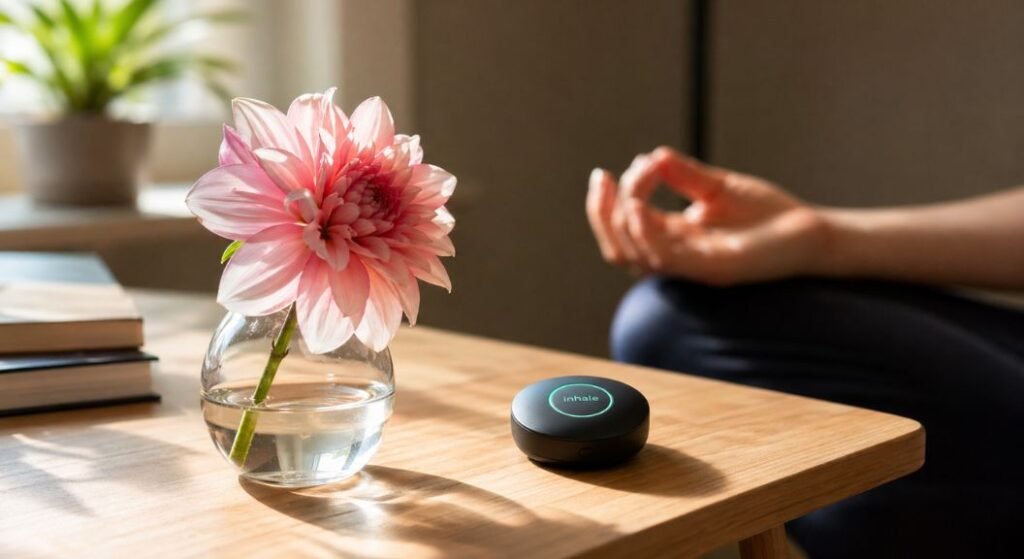
“Money troubles produce serious, constant distress in your day-to-day life. Hiding credit card debt from your family is a profound internal shame. This kind of cognitive dissonance steadily erodes your self-esteem. An unregulated emotional spending cycle wipes your peace of mind out completely.
When you break this loop, your mind clears itself immediately. No more surprise invoices or unknown credit card obligations to worry about. Financial stability offers a tremendous sense of safety and security. Spending in ways that reflect your principles can have a tremendous positive impact on your mental health.
Delete Shopping Apps to Stop Your Emotional Spending Cycle
Your phone is a portable, very addicting retail mall. Companies design their apps to make buying so easy. It’s fast and seamless. Here’s why you need to remove these apps TODAY to break your emotional spending cycle. Get rid of the temptation in your pocket altogether.
Force yourself to shop only at a desktop computer. This little physical difference buys you critical time for your decision-making process. You get valuable minutes to reconsider the impulse buy. Small physical restrictions can lead to significant changes in your day-to-day financial behavior.
3 Ways Mindfulness Cures an Emotional Spending Cycle
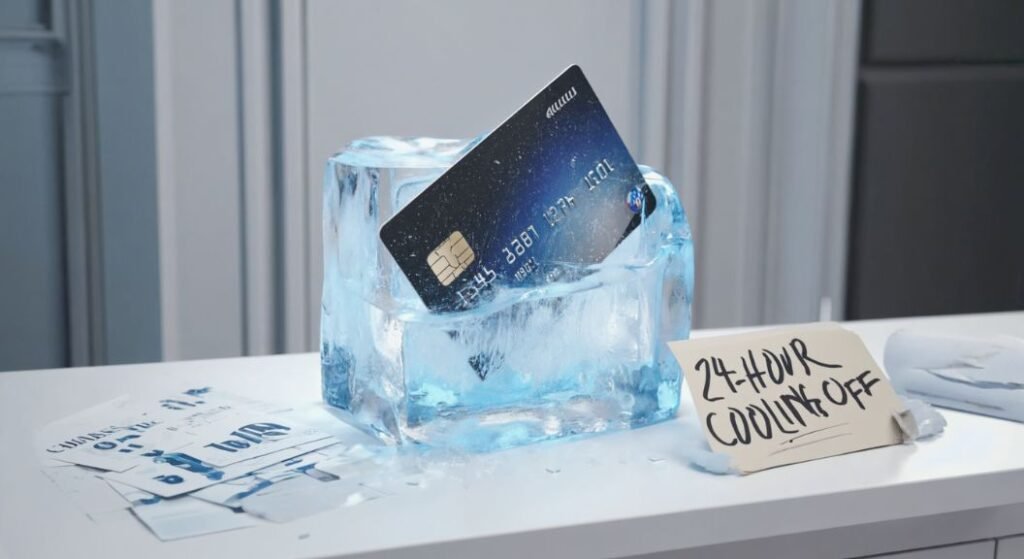
Mindfulness makes you 100% present. First, it makes you aware of the exact second a craving occurs. So you learn to notice the urge and not act on it right away. This is where the cycle of emotional spending is broken.
Second, mindfulness makes you more appreciative of the stuff you already have. You know you don’t need more things to be happy. Third, it aligns you with your core financial objectives and principles. You choose for purpose, not for the feeling of the moment.
Break Free From the Emotional Spending Cycle and Reclaim Your Financial Freedom
You’re empowered to influence your financial future today. Know that repairing your relationship with money is a process that needs time and patience. Just forget the mistakes you made in the past and concentrate only on the future. The secret to real freedom is to break the emotional spending cycle.
Try these behavioral methods in your everyday life today. Take back control of your emotions and watch your savings soar. You should be free to live a clutter-free existence without money concerns. Spend wisely and create the abundant, calm life you want.

FAQs:
- What is emotional spending?
Emotional spending is when you purchase items to alter your mood. For instance, you may buy things to alleviate sudden stress or deep despair or even to celebrate. It connects your inner stress or dire despair to your spending habits, frequently giving you a temporary high that you immediately follow with deep remorse.
- What can I do to stop spending emotionally?
You can put an end to emotional spending by pinpointing your particular emotional triggers and introducing intentional delays to your buying decisions, such as requiring yourself to wait 24 hours. Actively breaking the pattern involves replacing the momentary need to spend with free, dopamine-boosting activities like walking or journaling.
- What is it that drives you to spend money on impulse?
The most common hidden causes include daily fatigue, loneliness, boredom, and the potent scarcity mindset created by comparing oneself to others on social media. Your brain wants a quick dopamine boost to dull these uncomfortable feelings. A quick purchase feels like a speedy, easy fix.
- How can I tell whether I am an emotional spender?
If you tend to make luxury purchases after a rough day, hide those purchases from your loved ones; you are probably an emotional spender. If you have a quick, overwhelming thrill at the checkout, followed by devastating financial remorse, that’s a major red flag.
- Is emotional spending a mental health issue?
Although emotional spending is a very typical behavioral response to daily stress, it is not an accepted mental diagnosis on its own. But if the activity becomes truly compulsive and begins to seriously impact your financial well-being, it may be tied to some underlying anxiety or a larger issue with impulse control.