


How to Recognize “Hidden” Sensory Triggers That Can Be Exhausting
Every second, your nervous system takes in thousands of inputs from the environment. Most people do not even notice these subtle details in the background. To avoid falling into the trap of burnout, you must learn to listen to your body and identify invisible energy drains.
Begin by becoming aware of when your shoulders tighten up unexpectedly. Notice that it affects a certain temperature, such as 21°C (70°F), that makes you irritable. Minor changes in physical status can indicate that your brain is overworking to accommodate small sensory irritants.

5 Subtle Everyday Items & Sounds That Act as Hidden Sensory Triggers
It can be surprising how heavy the sensory load of common everyday objects can be. Knowing what they are allows you to maintain your focus on a daily basis. Let’s examine five common things you deal with constantly:
- Fluorescent hums: Low-frequency electrical buzzing from office lights causes chronic cognitive fatigue.
- Clothing tags: Itchy labels on clothes distract you on a subconscious level and are difficult to ignore.
- Kitchen whines: High-pitched sounds from refrigerators stress your auditory cortex.
- Synthetic scents: Artificial air fresheners release volatile organic compounds into your nasal passages.
- Screen flicker: Small, invisible flickers on screens quickly tire your eye muscles.
Recognizing how hidden sensory triggers disrupt mornings
There are several sensory stimuli in a morning routine before you even leave the house. Rushing too fast with machines or enduring overly bright lights creates a frantic neurological tone. You can take specific steps in your morning routine to safeguard your mind.
Fabrics that create slight discomfort
Fabrics matter much more to physical comfort than you might think. Rough or stiff denim and wool rub against nerve endings and cause irritation. Soft, breathable materials are recommended to achieve optimal sensory comfort.
Clutter and lighting glare
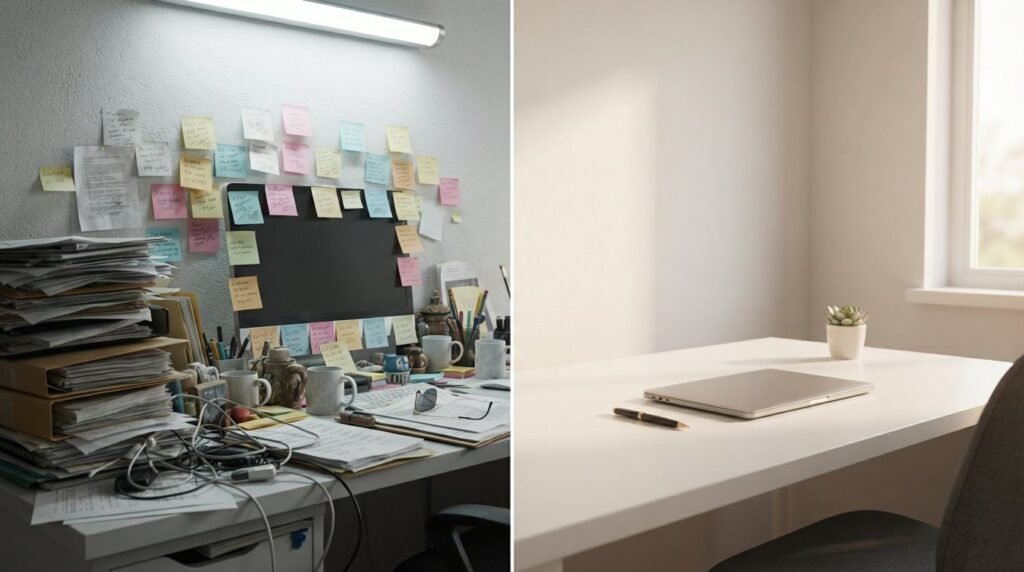
A cluttered area overstimulates your brain. Rooms lacking suitable space force your brain to filter through countless pieces of information. When you clear your physical space, you also clear the daily cognitive overload you have to manage.

Stop Letting Invisible Environmental Stressors Hijack Your Focus
Environmental stressors act like thieves that quietly rob you of your focus. You may blame drowsy sleep or a lack of motivation for your afternoon slump. Unchecked everyday sensory processing issues actually cause most of this mental fatigue.
You can take control by evaluating your immediate environment right now. Use blinds to reduce bright sunlight or put on noise-canceling headphones. Micro-protective changes maintain a quiet nervous system, keeping you highly productive.
How to Monitor Daily Sensory Overload Due to Hidden Sensory Triggers
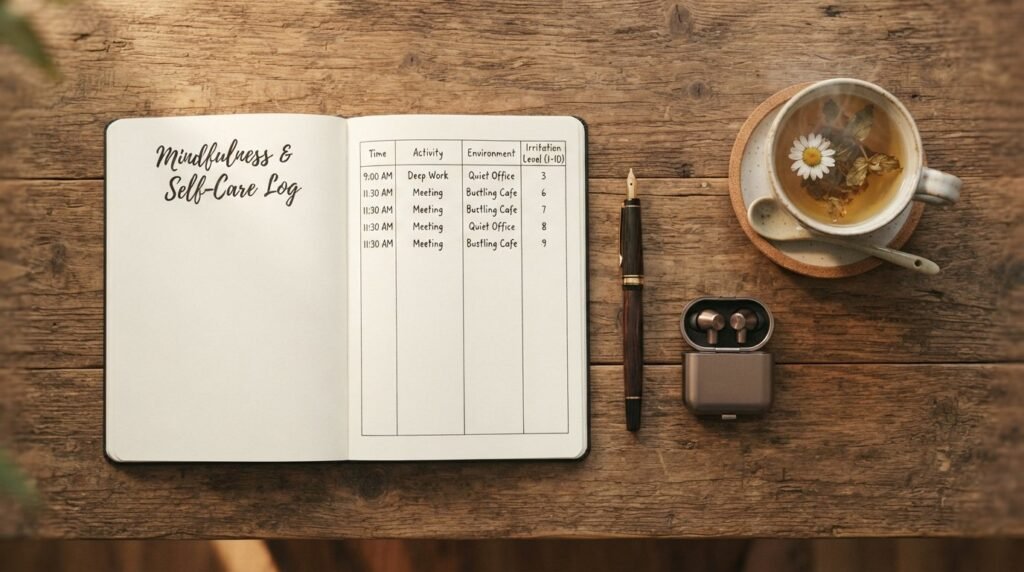
To monitor your sensory load, it is important to observe yourself each day. Keep a small notebook to record sudden increases in irritation. A study published in PubMed notes that logging stressors relieves anxiety effectively within environmental psychology.
Check your notes at the end of the week. Identify patterns tied to specific places, times, or people. Recognizing these patterns allows you to make proactive changes to your environment.

4 Hidden Sensory Triggers in Your Workplace
There are many minor distractions in the workplace that drain your concentration. In modern offices, work areas are often designed for teamwork rather than individual sensory comfort. Let’s look at four ways these triggers creep into your workday:
- Disturbing chatter: Background conversations frequently disrupt your deep focus states.
- Keyboard clacking: Repetitive sharp sounds irritate sensitive auditory processing channels.
- Fluorescent glare: Overhead fluorescent lights flicker and emit invisible glare, causing late-afternoon headaches.
- Drafty vents: Sudden blasts of hot or cold air offend your skin receptors.
Noises in open offices and cognitive fatigue
Open floor plans lack privacy and amplify ambient noise. Your brain works overtime and wastes energy trying to block out unwanted conversations. Taking intentional quiet time refreshes your thinking instantly.
Screen glare and digital fatigue triggers
Overhead lights reflect directly off computer screens into your eyes. Your pupils must constantly adjust to this steady glare. Proper monitor angles are essential to protect your vision and avoid eye strain.

Master Your Daily Routine by Neutralizing Hidden Sensory Triggers Early
Addressing sensory annoyances early prevents them from turning into meltdowns. Drink water, stretch, and step away from screens before noon. Self-care rituals strengthen and stabilize your nervous system against the frantic pace of everyday life.
Structured breaks for mental well-being are a priority for European health agencies like WHO Europe. Adopt this European habit by taking sensory breaks every hour. You will notice a tremendous boost in your focus.
How to Build a Personalized Toolkit for Managing Hidden Sensory Triggers
Creating a personalized sensory toolkit changes the way you approach stressful situations. Put items that appeal to your sensory profile into a small bag. Add tinted glasses, earplugs, and smooth tactile items.
Take this pouch with you in your bag or backpack wherever you go. According to Eurostat mobility data, urban commuters are subjected to intense stimuli daily. With soothing tools at your fingertips, you are never without support.
3 Core Categories of Hidden Sensory Triggers You Completely Ignore
There are three basic types of sensory input that most people forget about during their hectic weeks. Grouping your stressors together makes them easier to manage. Let’s break down these three fundamental categories:
- Auditory inputs: Low-frequency hums and distant clatter that demand listening effort.
- Tactile friction: Itchy clothing tags and rough seating surfaces.
- Visual saturation: Bright LED billboards and desk clutter.
Protect Your Peace From Hidden Sensory Triggers With Simple Boundary Shifts
Establishing boundaries keeps your mind from being overwhelmed with sensory input. Do not feel compelled to attend every loud event or hectic gathering. Learn how to say “no” politely so you preserve your precious energy reserves.
Make your needs known to friends, family, and coworkers. Claiming your peace is not selfish; it is an act of self-respect. Your mind flourishes when you make wise choices about your surroundings.

How to Explain Your Unique Sensory Sensitivities to Loved Ones
Sharing your sensory experiences enhances relationships and mutual empathy. Sensory overload is often mistaken for rudeness or mood swings. Honest conversation bridges this communication gap easily.
Be clear and use examples when discussing your triggers with family and friends. Explain what a specific sound or light does to your body physically when it drains your stamina. Understanding helps them support you better during challenging times.
Communicating your limits without guilt
Setting boundaries involves using assertive language and remaining confident. You are entitled to comfort just as much as anyone else. Be firm and clear when discussing your personal boundaries.
Setting up safe spaces at home together
Establish a designated low-stimulus area in your home. Share this quiet space with family members who also require quiet time. A sanctuary at home makes a huge difference in reducing your day-to-day stress.
Normalizing sensory breaks in conversation
Social interactions require a high level of mental and sensory effort. Acknowledge the need for breaks and step out for fresh air during lengthy gatherings. Normalizing these breaks prevents extreme fatigue.
Reclaim Your Evening Calm After Facing Hidden Sensory Triggers All Day
Evenings should provide an opportunity to escape the sensory overload of the day. Turn on warm lamps and dim your overhead lights. Establish a relaxing wind-down routine to let your brain know it is safe.
Silence your cell phone one hour before you sleep. Use soothing instrumental music or read quietly at home. Good nighttime habits are essential for restorative rest.
Why Do These Hidden Sensory Triggers Feel So Exhausting by Afternoon?
All that cumulative sensory information drains your brain by mid-afternoon. Your nervous system makes micro-adjustments every time there is a slight sound or light change. By 3 PM, your brain reaches its maximum processing capacity.
This phenomenon mirrors cognitive fatigue as described in clinical psychology literature. By identifying this trend, you can schedule more challenging tasks during morning hours and reserve lighter activities for low-energy afternoon blocks.

Overhaul Your Workspace to Minimize Hidden Sensory Triggers
Redesigning your physical workspace yields instant improvements in everyday focus. Replace bright desk lamps with gentle, flexible task lighting. If possible, incorporate sound-absorbing features like acoustic panels or rugs.
Keep your desktop free of unnecessary objects and visual clutter. An ergonomically designed workstation decreases subconscious cognitive strain and boosts daily productivity. You are in control of your work environment.
Are Your Chronic Headaches Actually Caused by Undiagnosed Sensory Overload?
Many times, chronic headaches stem from unaddressed sensory sensitivities rather than disease. Tension headaches frequently occur alongside bright lights and constant background noise. Consulting a healthcare provider helps rule out other medical causes.
By tracking your headache frequency alongside your sensory exposures, you can uncover surprising patterns. Controlling your environmental triggers often lessens headache pain and severity. Pay close attention to how your body responds.

FAQs:
In daily life, what is sensory overload?
Sensory overload is when sensory input from the environment, such as background noise, bright lights, tactile discomfort, etc., becomes too much for your brain to cope with.
What are signs of sensory overload?
Some of the common symptoms include sudden bursts of irritability, tension in muscles, a sense of mental fatigue, trouble focusing, and wanting to get away.
What are some examples of hidden sensory triggers?
Low-frequency hums from fluorescent lights, itchy tags on clothes, screen flickers, and artificial air fresheners that work their way in and steal your energy are subtle triggers.
I have a lot of sensory overload going on. How can I calm my nervous system?
Try resetting your nervous system by heading to a quiet area, turning down bright lights, deep breathing, and/or using noise-canceling headphones.
Why get mental fatigue by the afternoon?
Constantly having to make adjustments in your brain throughout the day leads to mental fatigue by the mid-afternoon slump.