
7 Physical Nudges That Instantly Improve Focus
Do you ever feel like you’re losing focus all the time during crucial things? There are constant distractions around that rob us of our time and mental energy. You can blame these annoying interruptions on a lack of willpower. But the underlying culprit is often hiding in plain sight in your own workspace.
Imagine sitting at your work and falling into deep focus effortlessly. You can create this state today by introducing physical nudges into your environment. Your behavior is steered, surreptitiously, by these minute contextual changes. Let’s look into how you might boost your everyday concentration and change your work habits altogether.
What Exactly Are Physical Nudges in Choice Architecture?
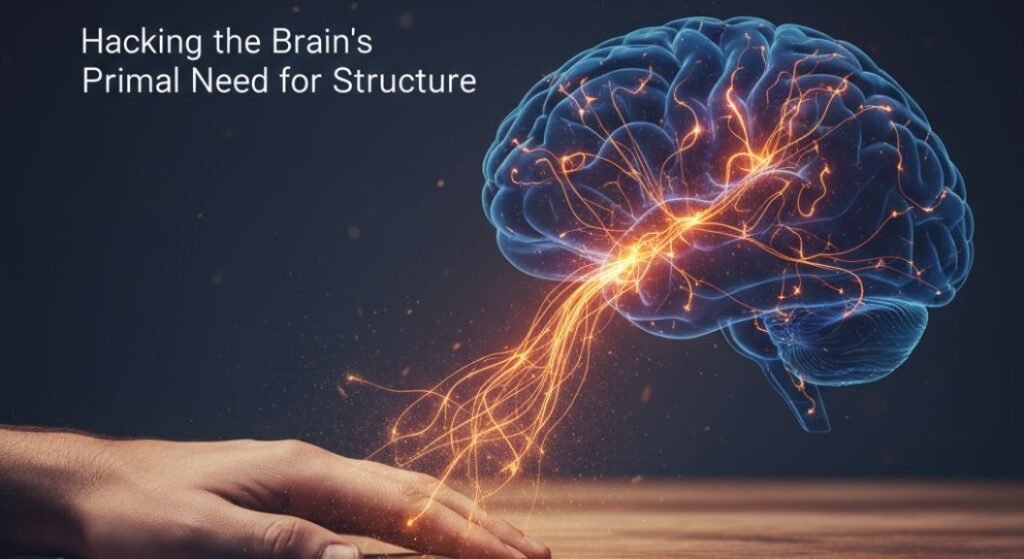
“The experts describe these nudges as deliberate modifications of the physical environment around you. These are behavioral design interventions designed to make you make decisions spontaneously. When your environment does the heavy lifting, you don’t have to force yourself to focus. The space itself rubs you into the desired movements.
This is where effective choice architecture comes in. Change your environment, and you make excellent behaviors ridiculously easy to do. Bad behaviors suddenly take too much physical effort to execute. You give your brain a little nudge in the direction of making better decisions without the mental fatigue.
How Physical Nudges Ease Your Daily Cognitive Load
All those little decisions drain your brain battery. A messy desk makes your brain process a steady stream of irrelevant visual information. Specific nudges will provide an instant cognitive load decrease for your exhausted mind. You just remove the needless options from your daily equation.
Finally, your brain relaxes when your environment is simplified. Your prefrontal cortex is available for high-level, creative thought. You no longer waste your precious time on the temptations all around you. The environment filters out the noise automatically, so your mental stamina remains intact for real work.
7 Physical Nudges to Implement at Your Desk Today
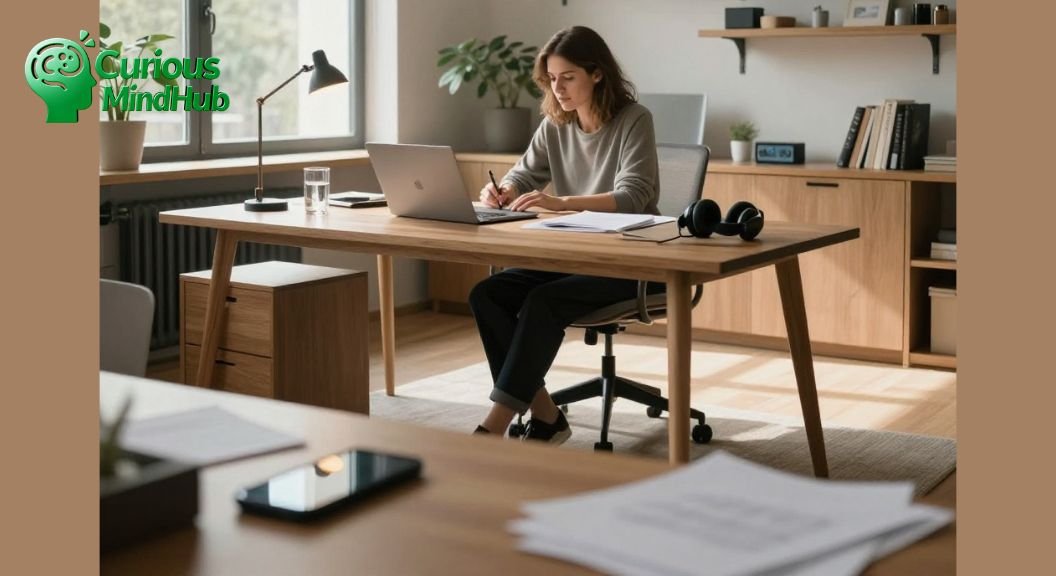
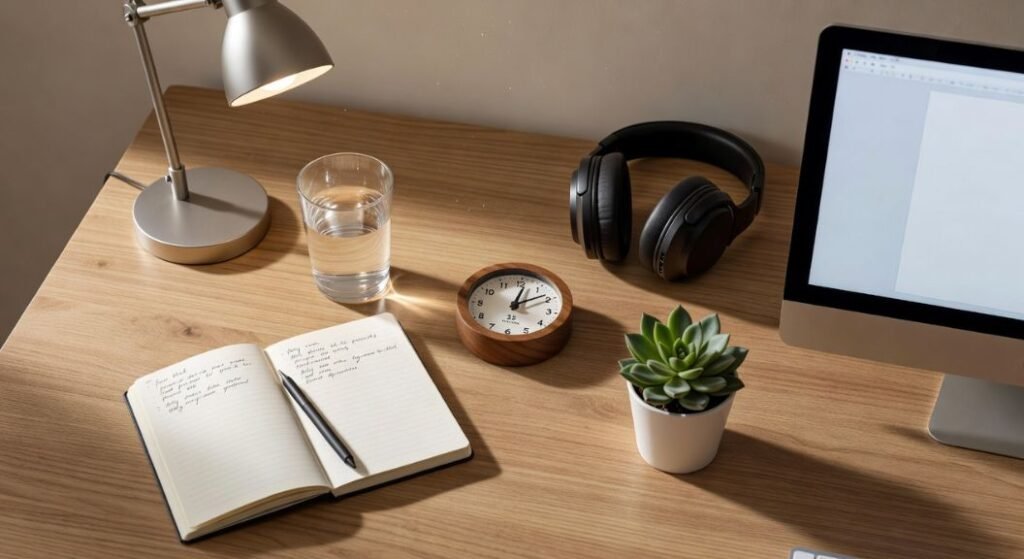
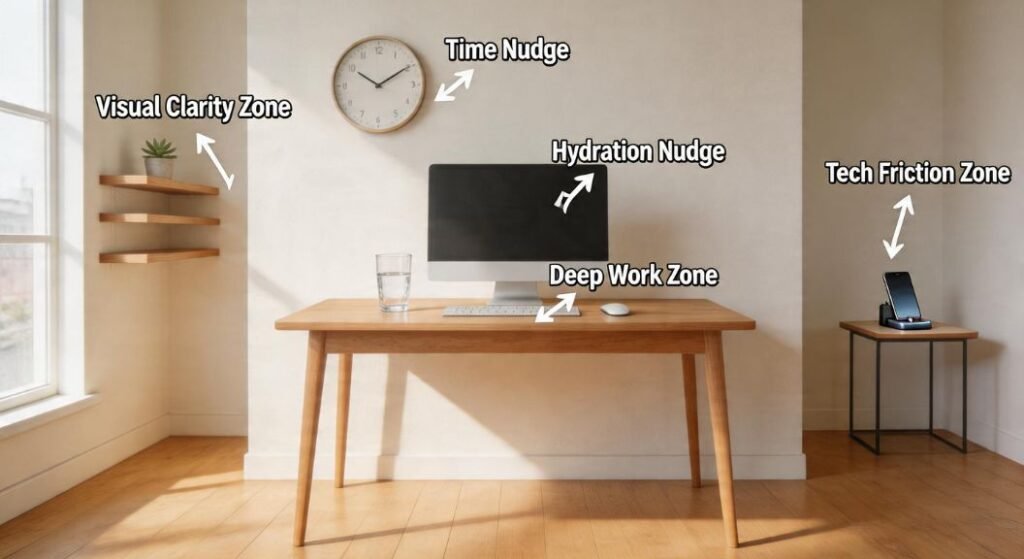
You can design your desk for focus using very simple items right now. First, keep a large glass of water directly next to your computer mouse. Second, place a physical, analog timer right in your primary line of sight. These tangible habit reinforcements keep your goals visible.
Third, leave a dedicated notebook open for capturing stray thoughts. Fourth, remove your phone charger from the immediate workspace. Fifth, use a supportive chair that encourages an upright posture. Sixth, clear all unrelated documents away. Finally, keep noise-canceling headphones resting visibly on your desk surface.
How to Use Physical Nudges to Block Digital Distractions
Smartphones represent the ultimate threat to your daily productivity. You must block out distractions physically to protect your attention span. Relying on sheer willpower to ignore digital notifications rarely works long-term. You need strong environmental barriers to stop this automatic checking behavior.
Create deliberate sensory friction between yourself and your digital devices. Put your tablet inside a zipped bag behind your desk. When the habit requires extra physical steps, your lazy brain gives up easily. You successfully interrupt the automatic loop of constant digital consumption.
Using Phone Lockboxes as Effective Physical Nudges
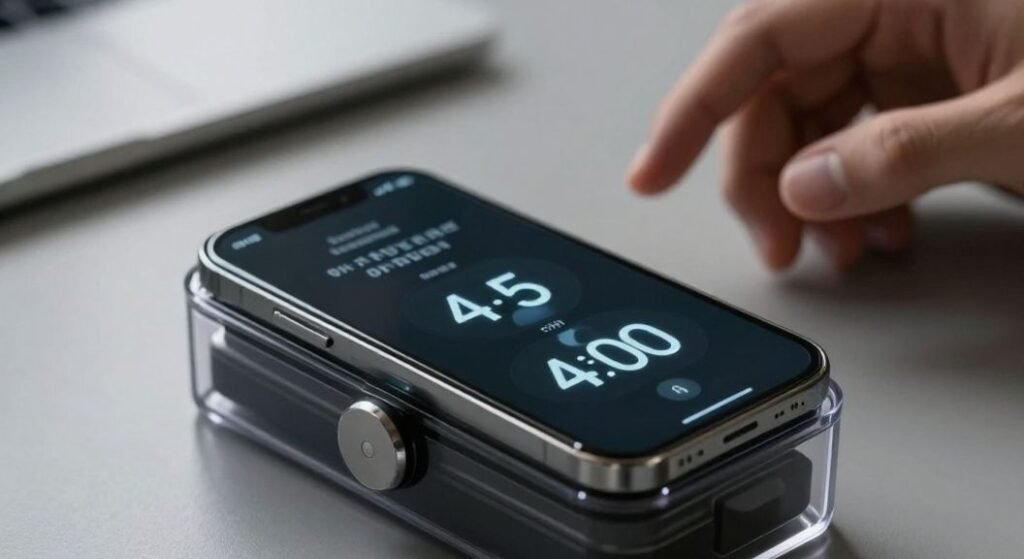
A timed lockbox is one of the best environmental concentration cues available today. Place your smartphone inside and set the timer for an hour. The box locks physically so you cannot touch the device at all. This takes temptation out of your environment altogether.
This tremendous friction puts the brakes on thoughtless scrolling. Your brain recognizes the reward is not accessible. It stops the impulse to suddenly check social media. Just changing the physical reality of your work environment breaks the loop of digital addiction.
Creating visual boundaries using simple physical nudges
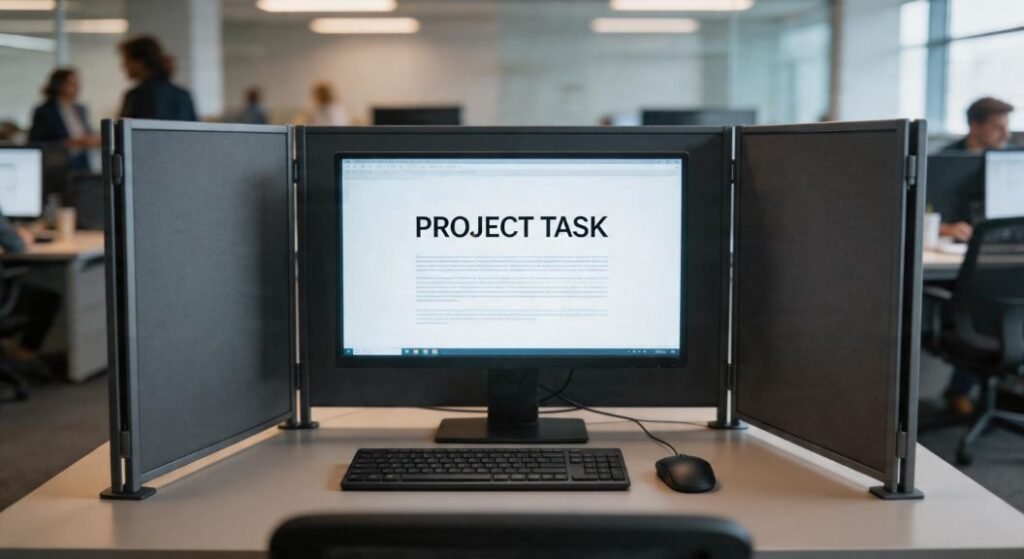
Your eyes choose where your focus goes. If you want to stay sharp, you have to manage your visual environment. Small folding privacy screens around your computer screen. They are physical barriers that continually shift distractions out of your workspace.
This works really well in an open-plan office setting. So you reduce your field of vision and tell your brain to focus on one thing. You get a narrow visual tunnel that keeps your eye right where you need it most.
Why Your Brain Responds Instantly to Physical Nudges
Humans have evolved to respond immediately to any change in the physical environment. Our predecessors had to pay close attention to spatial signals to stay alive. Most of our waking hours now are still ruled by automatic actions. When you move something, you activate a basic response in your neural system.
Physical friction is processed considerably faster in your brain than rational cognition. You break the automatic spell. When you need to reach for a secret phone, you need to do it consciously. These sophisticated haptic feedback cues snap you out of your daze. You see bad behaviors before they have a chance to grow.
5 Ways Physical Nudges Can Activate Your Deep Flow State
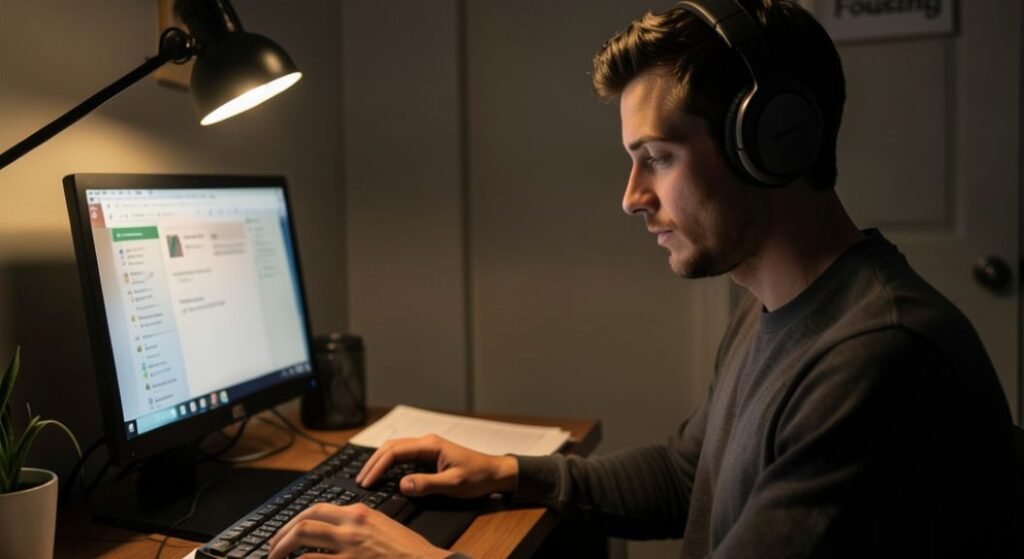
Getting into a deep work zone requires a particular setting. You can deliberately tweak things to trigger an immediate flow state. * Dimming the overhead lights indicates a change from your work mode. Secondly, utilize a special hefty pen just for high-value activities.
Third, shut your office door to tell your brain it’s time for 100% seclusion. Fourth, set up a specific instrumental music track to establish a sound border. 5. Put a “do not disturb” sign prominently on your desk. These indicators say to your brain, “You need to focus seriously now.
Physical nudges to combat afternoon decision fatigue
Your mental energy naturally collapses in the late afternoon. Every decision is so heavy and hard to make. You can get out of this slump by tidying your desk the night before. This simple deed provides a tremendous working environment optimization advantage.
Please let me know what files you need exactly for tomorrow. This eliminates the hassle of hunting for paperwork while you’re fatigued. Your environment lets you know just what to do next. By letting your physical space lead your fatigued mind, you avoid decision fatigue in the afternoon.
Designing a Home Office Using Smart Physical Nudges
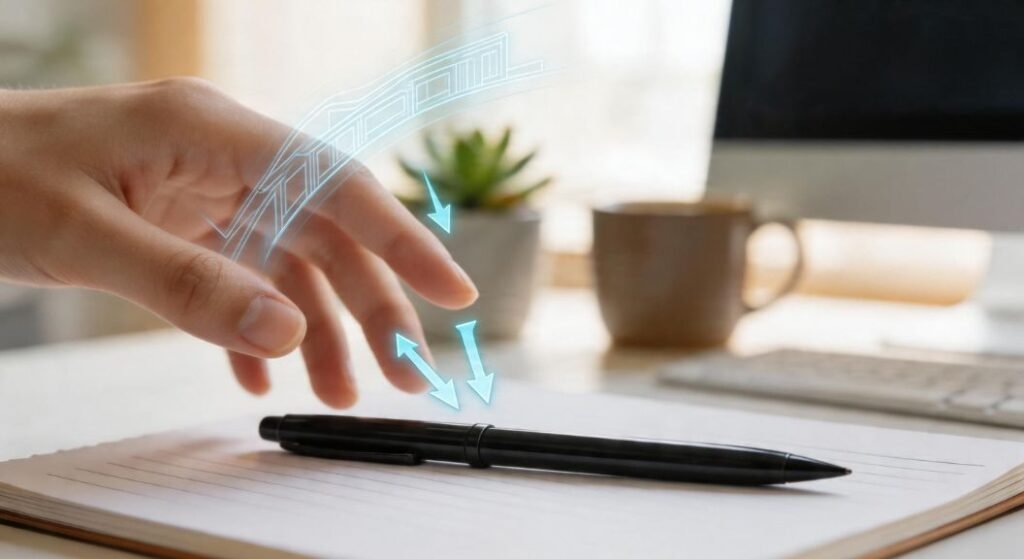
Working from home severely blurs the lines between your personal and professional lives. You need to get better at setting up your workspace so that your mental borders remain clear. Have a workstation that is only for work; never eat at it. This one thing trains your brain to focus right away when you sit down.
There should be an alternate light source for work hours and evening relaxation. A bright desk lamp indicates productivity; soft room lighting indicates rest. This deep work choice architecture is a great way to divide your daily modes. You no longer feel like you are always at work.
How to Mix Physical Nudges With Time Blocking
Time blocking divides your daily schedule into specific, dedicated blocks. You may accelerate this technique with the smart use of physical clues. Put a different colored thing on your desk for each separate time slot. A red block could be heavy writing and a blue one email time.
If you change tasks, move the old object away physically. This concrete action indicates a fundamental shift to your brain. You wash away the remnants of the preceding task, totally. You go into the new time block with fresh, keen concentration.
3 Common Mistakes When Setting Up Physical Nudges
Many people fail because they change their entire environment overnight. This dramatic shift overwhelms your senses and destroys your existing routines completely. You must introduce new cues very slowly and methodically. Aim to build better habits instantly by changing just one single item today.
Second, do not use cues that easily blend into the background clutter. Your nudges must stand out visually to remain effective. Third, avoid creating systems that require constant, high-effort maintenance. If resetting your desk takes an hour, you will abandon the practice very quickly.
How Physical Nudges Cure Procrastination Naturally
Procrastination happens when the resistance to starting a task feels too high. You can hack your environment to lower this initial hurdle dramatically. Leave your primary work application open on your computer screen overnight. When you sit down, the first step is already finished for you.
Place a single, easy document right in the center of your desk. This visual prompt invites you to start working without feeling overwhelmed. Once you take the first small step, momentum carries you forward. You conquer procrastination by making starting easier than avoiding the work entirely.
Reprogram Your Subconscious Mind Using Physical Nudges
Your subconscious mind is continually absorbing millions of data points from your environment. An untidy room sends messages of failure and chaos directly to your brain. Clean, neat environments show competence, control, and calmness. You program your thinking by choosing wisely the objects that surround you.
Keep an object on your desk that symbolizes your ultimate objective. A shiny trophy or a particular book is a silent, powerful incentive. And every time you see these things, they reaffirm a strong positive identity. Your surroundings are always feeding your inner confidence.
How to Measure Your Productivity Growth From Physical Nudges
You need the hard proof that your new systems are working properly. Track your daily deep work hours on a basic paper calendar. Look at the difference in your focus after you have made a change in your environment. A few small modifications can lead to significant benefits in just a few weeks.
Pay special attention to your energy levels in the late afternoon each day. You’ll likely feel a lot less wiped out because you lowered your everyday friction. These tiny environmental changes have significant, observable effects, as tracking shows. You convince yourself that your system works.
Take Control of Your Attention Span With Physical Nudges
Your one most valuable asset on a daily basis is your attention span. Don’t leave your attention to chance or to frail willpower. Using these environmental design ideas helps you develop a highly productive existence. You turn your messy workspace into a place of profound, uninterrupted thought.
Start small today by taking your phone to another room. Experience the immediate clarity of deliberate spatial design. Take back your environment today. You have the awesome power to mold your environment and your decisions. in doing so, you mold your beautiful mind.
FAQs:
- What is a physical nudge in behavior design?
A physical nudge is an intentional, tangible modification to your physical surroundings that makes a desirable habit easy and an undesired one hard. It makes your subconscious decisions in an instant, without using up your everyday willpower.
2. What can I modify about my environment to help me focus better?
Clear all the visual distractions from your work and keep a dedicated glass of water within arm’s reach to rapidly boost attention. And putting a physical analog timer in your direct sightline also cues your brain to safely enter deep focus.
- Does taking my phone to another room genuinely work?
Yes, physically removing your phone is a strong form of environmental friction that reduces your instinctive need to scroll. This basic geographical boundary avoids digital distractions and conserves your precious cognitive resources.
- What is workplace choice architecture?
Choice architecture is about structuring the office layout in a seamless way such that it naturally encourages high-focus behaviors and minimizes interruptions in the day-to-day. It makes the most productive options the easiest default, significantly reducing your cognitive load.
- How do visual signals lessen everyday decision fatigue?
Visual signals teach your brain exactly what to do next. This takes away the mental strain of making endless little decisions . Picking out your work clothes the night before means you can start your morning without having to make any difficult decisions.