


7 Quick Ways To Stop Sensory Overload Today
Do you ever feel like the world is suddenly too loud, too bright, and too chaotic? This intense physical reaction can completely paralyze your daily routine. You are not just stressed out; your brain is taking in too much environmental data at once. You need reliable strategies to stop sensory overload immediately and regain your inner peace.
Imagine hitting a simple, effective pause button on your racing mind. You can actually calm your body using proven psychological tools today. We will explore seven practical methods to protect your daily energy. Let us dive into these powerful, life-changing techniques to reclaim your mental clarity right now.

Why must you act immediately to stop sensory overload?
Ignoring your early warning signs is a very dangerous mistake. Your brain experiences a severe amygdala hijacking when overwhelmed by the environment. This primal fear response floods your body with intense stress hormones. You completely lose your ability to think clearly and make rational decisions during this chaotic state.
You must prioritize immediate relief from overstimulation to protect your long-term health. Forcing yourself to endure the pain only makes the eventual crash much worse. Quick intervention prevents lasting exhaustion and serious mental fatigue. Taking action early keeps your daily energy levels stable, secure, and ready for important tasks.
How to use deep pressure therapy to stop sensory overload fast
Firm physical pressure acts like a comforting hug for your entire nervous system. You can practice deep pressure therapy using a heavy weighted blanket at home. This gentle, even weight signals your brain that you are completely safe. Your racing heart rate naturally begins to slow down almost instantly.
If you are out in public, cross your arms tightly across your chest. Squeeze your own shoulders with firm, steady hands for a few solid minutes. This simple physical action releases calming hormones directly into your bloodstream. It offers a fast, reliable shield against chaotic, noisy environments.

3 breathing techniques that physically stop sensory overload
Controlled breathing is your absolute most portable and effective calming tool. The box breathing method requires you to inhale, hold, and exhale for four seconds each. This steady rhythm quickly calms severe nervous system dysregulation. You regain complete physical control over your rapid, anxious bodily responses.
You can also try the physiological sigh, for instance, for powerful relief. Take two quick inhales through your nose, followed by a long exhale through your mouth. This specific breathing pattern triggers crucial vagus nerve stimulation. Your body instantly switches from a frantic panic mode to deep, healing relaxation.
Can leaving a crowded room instantly stop sensory overload?
Sometimes, the absolute best solution is simply walking away from the chaos entirely. Removing yourself from a noisy space provides instant, undeniable relief. Effective environmental triggers management means recognizing exactly when a room is too much. You do not have to endure uncomfortable situations just to be polite.
Find a quiet hallway, an empty bathroom, or step outside into nature. Just five minutes of total silence helps your brain process the massive backlog of information. This physical distance breaks the vicious cycle of panic. You give your mind the necessary space to breathe and recover fully.
How to politely exit conversations to stop sensory overload
You might feel incredibly rude walking away from a chatty coworker or friend. However, your personal mental health must always come first. Simply smile and say, “I need to step outside for some fresh air.” People rarely question a calm, direct statement about needing a quick break.
You can also confidently excuse yourself to grab a glass of cold water. This gives you a clear, acceptable purpose for leaving the crowded room. Establishing these firm boundaries is a vital part of a highly sensitive person’s coping skills. You protect your energy without offending anyone around you.
[Image 1: A photorealistic image of a professional person standing peacefully in a quiet, softly lit hallway. They are taking a deep breath and looking relieved, having just stepped away from a blurred, chaotic office party in the background. 1024×576 resolution, 16:9 aspect ratio.]
Reduce bright digital lighting to stop sensory overload now
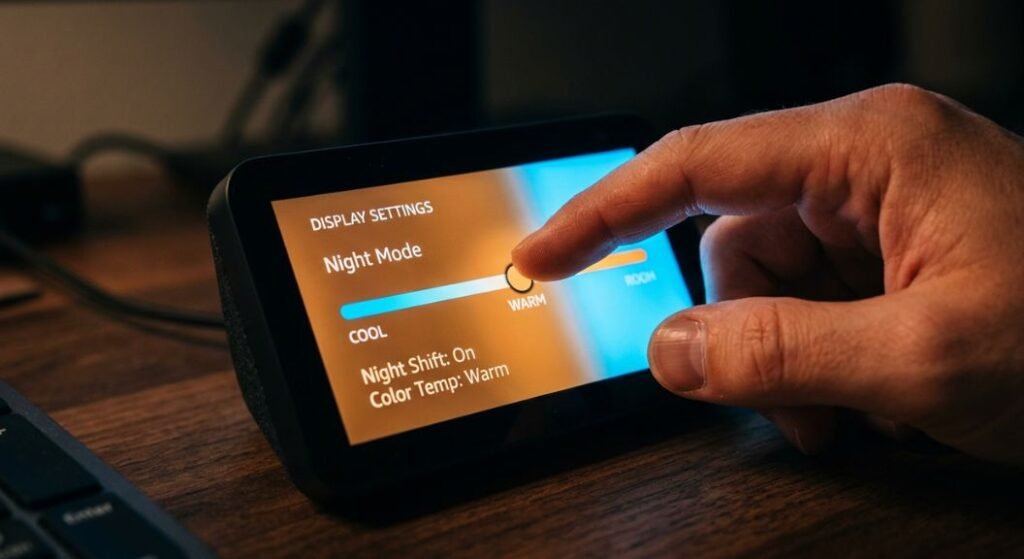
Harsh fluorescent lights and bright phone screens hurt your tired, sensitive eyes. These artificial glares constantly bombard your brain with harsh visual data. You must step away from bright lights to give your optic nerves a desperate rest. Dim the lights in your room immediately to create calm.
Turn down the harsh brightness on your laptop and smartphone screens today. Install warm-toned digital filters to block the piercing, energetic blue light. Closing your eyes for two full minutes also provides wonderful, instant relief. These small visual breaks help your mind process information much more smoothly.
How to block sudden loud noises to stop sensory overload
Loud city sirens, overlapping voices, and construction sounds destroy your fragile focus. You desperately need reliable auditory overwhelm solutions for these unpredictable daily events. Carrying soft foam earplugs in your pocket is a brilliant, proactive habit. You can slip them in quietly whenever the world gets too loud.
If you do not have earplugs, simply cup your hands firmly over your ears. You must block out overwhelming noise to stop the immediate physical pain. Muffling the sharp sounds gives your panicked brain a chance to catch up. Your heart rate will drop safely as the noise fades away.
Does splashing cold water on your face stop sensory overload?
Yes, cold water acts as a shocking reset button for your brain. Splashing icy water on your cheeks triggers the mammalian dive reflex naturally. This biological quirk instantly slows your racing heart rate down. It forces your body to conserve energy and drop the anxious, fearful panic.
You can also hold a single ice cube tightly in your bare hand. The intense, safe cold distracts your brain from the surrounding environmental chaos. You reset your nervous system fast using these brilliant temperature tricks. The physical shock beautifully breaks the exhausting cycle of mental overwhelm.

5 somatic grounding exercises to quickly stop sensory overload
Your anxious mind races into the future when you feel completely overwhelmed. You must implement quick grounding exercises to pull your focus back to the present. Press your bare feet firmly into the solid floor. Notice exactly how the hard ground supports your body weight safely.
You can also rub your bare palms together quickly to create warm friction. This simple act of somatic grounding forces your brain to focus on your hands. Shaking out your tired arms and legs releases trapped physical tension. These physical movements anchor you firmly in the current moment.
Why touching natural textures helps to stop sensory overload
Artificial modern environments often feel sterile, harsh, and completely overwhelming to sensitive people. Touching natural elements reconnects you with a slower, much calmer pace. Pick up a smooth stone, a textured leaf, or a piece of rough wood. Focus your entire attention on how the object physically feels.
This tactile experience draws your nervous energy away from your racing thoughts. The complex natural textures offer a safe, reliable, and grounding emotional anchor. Your brain stops scanning the room for threats and focuses on the simple object. This easy habit restores your inner peace beautifully.
How to create a safe, quiet space to stop sensory overload
Every highly sensitive person needs a dedicated retreat area in their home. This specific zone should be completely free from loud televisions and bright lights. Perfect sensory processing regulation requires a predictable, deeply calming environment. Fill this space with soft blankets and very dim, warm lighting.
Retreat to this specific cozy corner whenever you feel the panic rising. Tell your family members that this area is your private, respected, quiet zone. Knowing you have a safe escape route lowers your daily baseline anxiety. A dedicated sanctuary heals your tired mind every single day.

Can wearing noise-canceling headphones stop sensory overload daily?
High-quality noise-canceling headphones are a magical tool for highly sensitive people. They create a peaceful, silent bubble wherever you travel during the day. You can wear them on busy trains or in loud open-plan offices safely. They completely filter out the exhausting background chatter and annoying mechanical hums.
You do not even need to play music through them to find peace. The silent noise-cancellation feature alone provides immense, life-changing relief. This practical tool helps you navigate a noisy world with absolute grace. Protecting your ears preserves your precious daily mental energy for important tasks.
Implement the 5-4-3-2-1 method to stop sensory overload immediately
This classic psychological trick stops a severe panic attack in its tracks. You look around and consciously name five things you can see right now. Then, you find four things you can physically touch with your hands. This structured task distracts your brain from the overwhelming environmental noise.
Next, name three things you hear, two things you smell, and one thing you taste. This precise mental countdown restores healthy sensory gating in your tired brain. You filter out the chaotic background data successfully and efficiently. Your mind beautifully returns to a state of calm, rational control.

Why identifying your physical triggers helps stop sensory overload
Prevention is always much better than trying to cure an active crisis. You must discover exactly what specific sights or sounds drain your energy completely. Recognizing these patterns helps you lower your daily environmental stress. You can then plan your day to avoid your biggest triggers completely.
Perhaps busy grocery stores on Sunday mornings always overwhelm your nervous system. You can easily switch your shopping day to a quiet Tuesday evening instead. Avoiding known triggers is a very smart, highly protective lifestyle strategy. It keeps your daily mood stable, happy, and incredibly peaceful.
How to track daily patterns to permanently stop sensory overload
Keep a small, private notebook handy to track your daily emotional moods. Write down exactly where you were when the overwhelm started hitting you. Note the lighting, the noise level, and the specific crowd size. This simple data collection reveals your hidden, personal daily stress patterns.
Review your written notes at the end of every single week. You will quickly spot the specific environments that cause you physical and mental pain. This knowledge gives you the ultimate power to change your daily routines. You can design a lifestyle that truly supports your sensitive nervous system.
[Image 2: A photorealistic close-up of a person’s hands writing in a simple, elegant journal on a clean wooden desk. Next to the journal sits a steaming cup of chamomile tea. Natural, soft sunlight filters through a nearby window, creating a serene and grounded atmosphere. 1024×576 resolution, 16:9 aspect ratio.]

Limit your daily caffeine intake to help stop sensory overload
A strong cup of coffee might help you wake up, but it dramatically increases your anxiety. High caffeine intake causes severe sympathetic arousal inside your body. It makes your heart race and your hands shake noticeably throughout the morning. This physical jitteriness makes you highly vulnerable to loud noises.
Try switching your afternoon coffee to a soothing, warm herbal tea instead. Chamomile or peppermint tea calms your stomach and your frayed nerves perfectly. Lowering your caffeine intake brilliantly reduces your daily baseline stress level. A calm body naturally processes intense sensory information much better.
Are you ready to confidently stop sensory overload from ruining your day?
You now possess a powerful psychological toolbox filled with immediate calming strategies. You understand exactly how to protect your sensitive nervous system from daily chaos. You never have to suffer blindly through unbearable noise or blinding lights again. You hold the ultimate power to control your own peace.
Choose just one of these quick techniques to try in your life today. Buy some soft earplugs or practice the box breathing method tonight. These tiny, intentional actions will dramatically improve your daily comfort and focus. Step forward and confidently reclaim your quiet, peaceful mind right now.
FAQs:
How do you calm down from sensory overload?
You can calm down by moving to a quiet, dimly lit space and using deep pressure therapy like a weighted blanket. Practicing slow, controlled breathing also helps reset your nervous system instantly.
What does sensory overload feel like?
It feels like an intense physical and mental panic where sounds seem painfully loud, and lights appear blindingly bright. Your brain becomes so overwhelmed by this environmental data that you temporarily cannot think clearly.
What triggers sensory overload in adults?
Common triggers include crowded spaces, loud overlapping conversations, bright fluorescent lights, and strong chemical smells. High levels of daily stress and sleep deprivation also make your brain much more vulnerable to these triggers.
How long does a sensory overload episode last?
An active episode typically lasts anywhere from a few intense minutes to several hours, depending on the person. Removing yourself from the triggering environment immediately will significantly shorten its duration and speed up your recovery.
Can anxiety cause sensory overload?
Yes, chronic anxiety keeps your nervous system in a constant state of alert, making you highly sensitive to your environment. This underlying stress causes your brain to easily process normal sights and sounds as overwhelming threats.