


7 Psychological Tricks to Stop Impulse Buying Today
Do you always wonder where your hard-earned cash goes every month? We all have those moments where something shiny and new grabs our quick attention. You click checkout before your rational mind can even add up the price. This is a vicious cycle, leaving many feeling guilty and broke.
Imagine keeping your money safe while still being happy with what you have. Imagine keeping your money safe while still being happy with what you have. Imagine keeping your money safe while still being happy with what you have. You can literally reprogram your brain to limit impulsive buying with basic behavioral psychology. Here are some time-tested techniques for protecting your bank account, starting right now. Today, let’s establish a healthier connection with your money.

The Hidden Psychology Behind Why We Overspend
Today’s retail settings are psychological traps, skillfully designed to separate you from your money. Retailers analyze human behavior to exploit our deep innate cravings for rapid rewards. They sometimes understand your thinking better than you understand yourself. This makes it seem like you can’t stop unhealthy emotional shopping behaviors without a sound plan.
When you’re stressed or anxious from the day-to-day intensity, your brain defaults to comfort. Buying something new gives us a fleeting, momentary sense that we are in total control and satisfied. But this short-lived euphoria soon becomes overwhelming remorse and money stress. You have to find your triggers to break this expensive delusion for good.
What is dopamine, and how do you stop impulse buying?
Your brain releases a potent neurotransmitter called dopamine when you expect a reward. This huge neurochemical rush is triggered practically immediately after seeing a stunning item online. This results in acute, dopamine-fueled consumption that blurs your reasonable judgment to the fullest. You’re buying the emotion of anticipation, not the tangible product itself.
The thrill is at its highest just before you close the entire financial transaction. Once the gift arrives, the dopamine crashes rapidly, leaving you feeling empty. Learn this biological chemical method today to avoid impulse shopping. Knowing that dopamine is spiking lets you take a step back and examine the purchase objectively.

3 Emotional Triggers That Destroy Your Monthly Budget
Unresolved emotions drive the vast majority of our unplanned daily purchases. Sadness, boredom, and intense stress act as massive psychological spending triggers constantly. When you feel down, your brain desperately seeks a quick mood elevator. A new pair of shoes seems like a perfect, simple solution to complex sadness.
This emotional avoidance tactic destroys your long-term financial stability very quickly. You trade your future security for a brief moment of superficial comfort. Recognizing your specific emotional state prevents severe emotional dysregulation at the shopping mall. Track your feelings carefully before you ever open your wallet to spend money.
Stop Impulse Buying Fast With the 24-Hour Rule
Time serves as your absolute best defense against emotional spending habits constantly. You must implement the 24-hour rule for every non-essential daily purchase. Force yourself to wait one full day before buying anything you suddenly want. This simple pause creates massive mental space between the urge and the action.
Most sudden desires vanish completely when you give them time to cool down. You wake up the next morning, wondering why you even wanted the item. If you still want the product after waiting, you can buy it guilt-free. This simple rule helps you stop impulse buying with minimal daily effort.

How a Mandatory Cooling-Off Period Rewires Your Brain
A strict waiting period forces your logical mind back into the driver’s seat. It allows proper prefrontal cortex regulation to override your impulsive emotional desires. You give your brain adequate time to calculate the true cost of the item. This brief pause stops the dopamine rush from controlling your actions completely.
Practicing this pause builds incredibly strong neural pathways over a long period. You train your mind to tolerate the discomfort of delayed gratification easily. These delay-gratification techniques improve every single area of your adult life. You master your impulses instead of letting your impulses master you completely.
Using Friction to Stop Impulse Buying Online
Digital e-commerce websites remove every possible physical barrier to taking your money. One-click shopping destroys your ability to pause and think logically about purchases. You must add deliberate friction back into your daily digital environment today. Small obstacles give your brain time to catch up and stop impulse buying.
Make it incredibly annoying to spend your money on the internet right now. Log out of your favorite shopping websites after every single visit you make. Keep your physical wallet in another room while you browse online late at night. These tiny hurdles prevent you from making fast, highly regrettable financial mistakes.
How Retailers Manipulate Your Subconscious Mind
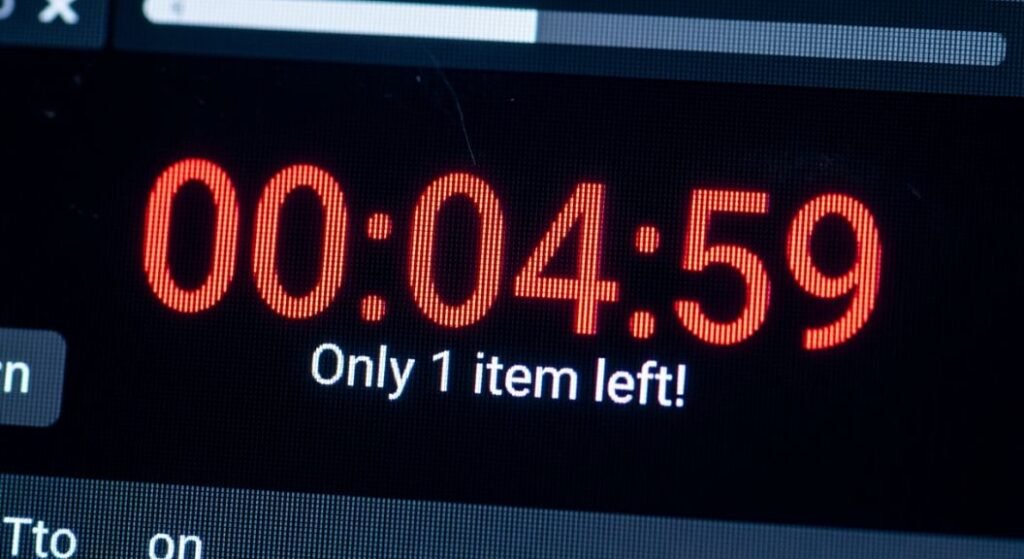
Stores use highly aggressive scarcity marketing tactics to force fast decisions. Flashing countdown timers and low stock warnings create intense artificial panic constantly. They want you to fear missing out on a supposed great deal today. This manufactured urgency bypasses your critical thinking skills completely and drains your wallet.
You must understand that sales happen constantly throughout the entire calendar year. You will rarely miss a truly once-in-a-lifetime opportunity on standard consumer goods. Recognize these manipulative tricks and step away from the intense artificial pressure safely. Your deep financial peace holds much more value than a temporary retail discount.
Delete Your Saved Credit Cards to Stop Impulse Buying
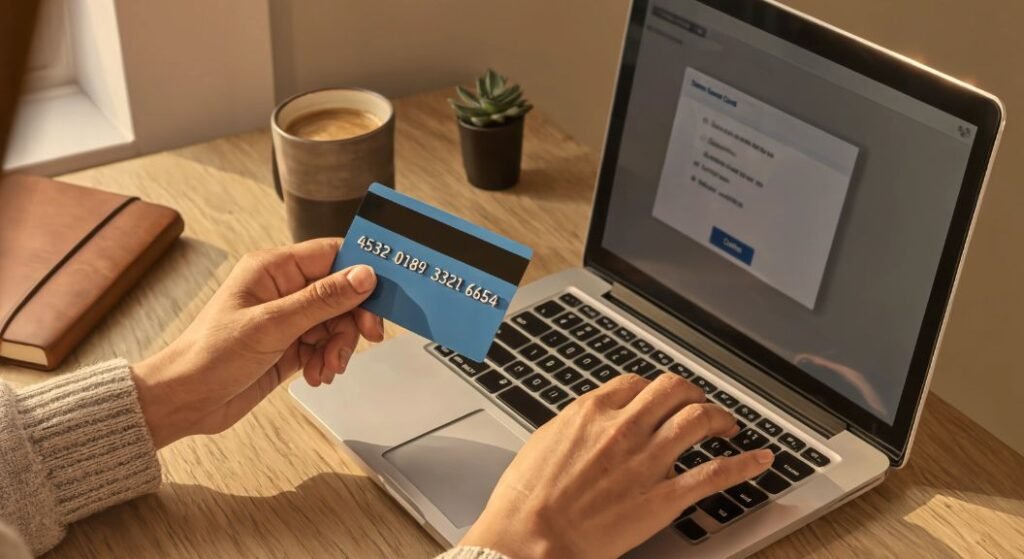
Storing your payment information online makes spending money dangerously easy and fast. You can buy items without even looking at your actual bank balance. You must delete saved credit cards from every single shopping platform today. Force yourself to type the numbers manually for every single new purchase.
Typing your card details takes time and requires conscious mental effort daily. This physical action forces you to acknowledge that real money leaves your account. It gives you a vital moment to rethink the transaction and stop impulse buying. Protect your wealth by making the checkout process physically difficult and highly annoying.

5 Ways to Break the Toxic Retail Therapy Cycle
Many people use shopping as a primary coping mechanism for a stressful life. This creates a terrible habit of buying things just to feel better momentarily. You must focus on breaking the retail therapy cycle patterns to save your future. Find healthier ways to process your heavy emotions and daily work stress naturally.
Call a good friend when you feel lonely instead of browsing online stores. Take a long walk in nature to clear your busy, highly anxious mind. Read a great book to escape reality without spending your money foolishly. Healthy coping skills solve the root problem instead of hiding it with stuff.
How to Stop Impulse Buying by Unsubscribing From Emails
Promotional emails act as direct invitations to spend your money constantly every day. They pop into your inbox exactly when you feel tired and highly vulnerable. You must unsubscribe from store emails to protect your daily peace of mind. Remove these constant digital temptations from your daily life entirely, starting right now.
Out of sight truly means out of mind when dealing with consumer goods. You cannot crave a product that you do not even know exists today. A clean inbox reduces severe decision fatigue and lowers your daily financial stress. You dictate your purchases rather than letting clever marketers dictate them for you.

Calculate New Purchases in Hours Worked, Not Dollars
Price tags hide the true cost of an item very effectively from you. A hundred dollars sounds abstract until you convert it into your personal time. Calculate exactly how many hours you must work to earn that specific amount. This powerful mental shift changes your entire perspective on spending money very quickly.
Ask yourself if a simple shirt equals an entire day of hard labor. Most impulse purchases fail this logical test completely when you run the numbers. Valuing your precious time helps you stop impulse buying almost instantly every day. You realize that you actually trade your limited life energy for material things.
Use the “Strangers Test” to Stop Impulse Buying
The stranger’s test provides a brilliant way to evaluate your sudden material desires. Imagine a stranger holds the item in one hand and the cash equivalent in the other. Ask yourself which option you would rather take from the stranger right now. This fun exercise forces you to see the real value of your money.
If you choose the cash, you do not truly want the product. The item simply caught your eye momentarily and distracted your busy brain. This quick mental exercise creates powerful cognitive dissonance regarding your sudden desire. It clearly highlights your true priorities and helps you save money very quickly.

4 Steps to Build a Values-Based Spending Plan
Traditional budgeting can feel like a rigorous diet that you eventually give up altogether. Instead, you should be strong with mindful spending tactics that are totally in tune with your life. Identify the three parts of your life that provide you the most genuine delight. Every month, spend your money freely on those particular, very meaningful categories.
Then mercilessly cut items that are not relevant to you at all. Third, track your everyday expenses to make sure your behavior matches what you say you value. Fourth, forgive yourself immediately if you make a tiny financial mistake along the road. When your money is in line with your values, the intense need for pointless items disappears.
How to Stop Impulse Buys When You’re Feeling Sad or Stressed
Today’s intense stress can force your brain into primal survival mode very fast. You lose touch with logic and want immediate comfort at any price. In times of intense emotion you may need to put your shopping accounts on hold for a while. The possibility is totally removed, and your finances are safe from abrupt emotional blunders.
Let your heavy feelings be; don’t try to pay them off with a credit card. Let yourself feel your melancholy. Allow the feeling to run its course. You have the inner power to deal with stress without buying unneeded physical items. Real resilience is facing your feelings head-on, honestly, every single day.

Finding Free Dopamine to Stop Impulse Buying Naturally
Your brain simply wants a neurochemical boost when you feel sad or stressed. You can get this exact same boost entirely for free in daily life. Exercise releases massive amounts of healthy dopamine and improves your mood incredibly fast. Even a brisk walk around your neighborhood changes your brain chemistry very positively.
Accomplishing a small task also provides a highly satisfying dopamine hit for you. Clean your kitchen or organize a single messy drawer in your quiet home. You will feel great without spending a single dime of your hard-earned money. You can stop impulse buying by choosing free, healthy rewards instead of shopping.
The Minimalist Mindset That Protects Your Wealth
Embracing a minimalist shopping mindset transforms your entire relationship with physical objects completely. You start viewing excessive possessions as a heavy burden rather than a blessing. True wealth involves having enough time and freedom, not overflowing closets and garages. Minimalism helps you appreciate the beautiful things you already own daily and deeply.
Before you buy anything new, consider exactly where you will store it permanently. Think about the time required to clean and maintain the object over the years. This realistic view often kills the burning desire to acquire more random stuff. A carefully curated environment brings deep peace and protects your financial future flawlessly.
Stop Impulse Buying Forever by Tracking Your True Joy
True happiness never comes from a cardboard package delivered to your front door. Lasting joy stems from deep relationships, personal growth, and wonderful shared life experiences. Focus your energy on building a life that feels genuinely rich inside daily. When your life feels full, you stop trying to fill it with stuff.
You hold the absolute power to change your financial habits completely, starting today. Apply these psychological tricks patiently and watch your savings account grow steadily upwards. You can absolutely stop impulse buying and finally reclaim your hard-earned money completely. Enjoy the deep freedom that comes from mastering your own mind and wallet.

FAQs:
- How can I teach my brain to reduce impulse buying?
You may condition your brain to create physical friction—like removing saved credit cards—to purposefully slow down your checkout process. This intentional delay permits your reasoning prefrontal cortex to successfully override the immediate dopamine surge.
- What are the psychological triggers behind impulse buying?
Intense emotions can be big triggers because your brain is tired and looking for a quick, nice reward. Think daily tension, deep despair, and sudden boredom. This weakness is exploited by retailers with artificial scarcity such as flashing countdown timers telling you to act now.
- How do you prevent emotional spending?
You can stop emotional spending by taking the time to recognize your exact feelings before you go for your wallet and substituting free, healthy coping techniques. A walk in nature or a phone call to a trusted friend can provide the same neurochemical relief without costing a fortune.
- What is the 24-hour shopping rule?
The 24-hour rule suggests waiting a full day before buying a non-necessary item you suddenly want online or in stores. This mandated cooling off interval does away with the retailers’ fake sense of urgency and allows your brain to logically assess the real financial cost.
- Why do I keep buying things I don’t need?
You buy stuff you don’t need because the mere act of buying generates a tremendous, addicting physiological high that momentarily hides your underlying daily stress. You are generally buying the excitement of a better future, not the tangible commodity itself.